
By Highland Creek Family Dental | November 23, 2026
If your dentist has recommended a dental crown, you might be asking yourself — do I really need this? Understanding why your dentist recommends a crown and the clinical reasons explained in Lafayette can help you make a confident, informed decision. At Highland Creek Family Dental, Dr. Shane Cope believes every patient deserves a clear explanation. This article walks through the most common clinical situations that call for a crown.
What Is a Dental Crown and What Does It Do?
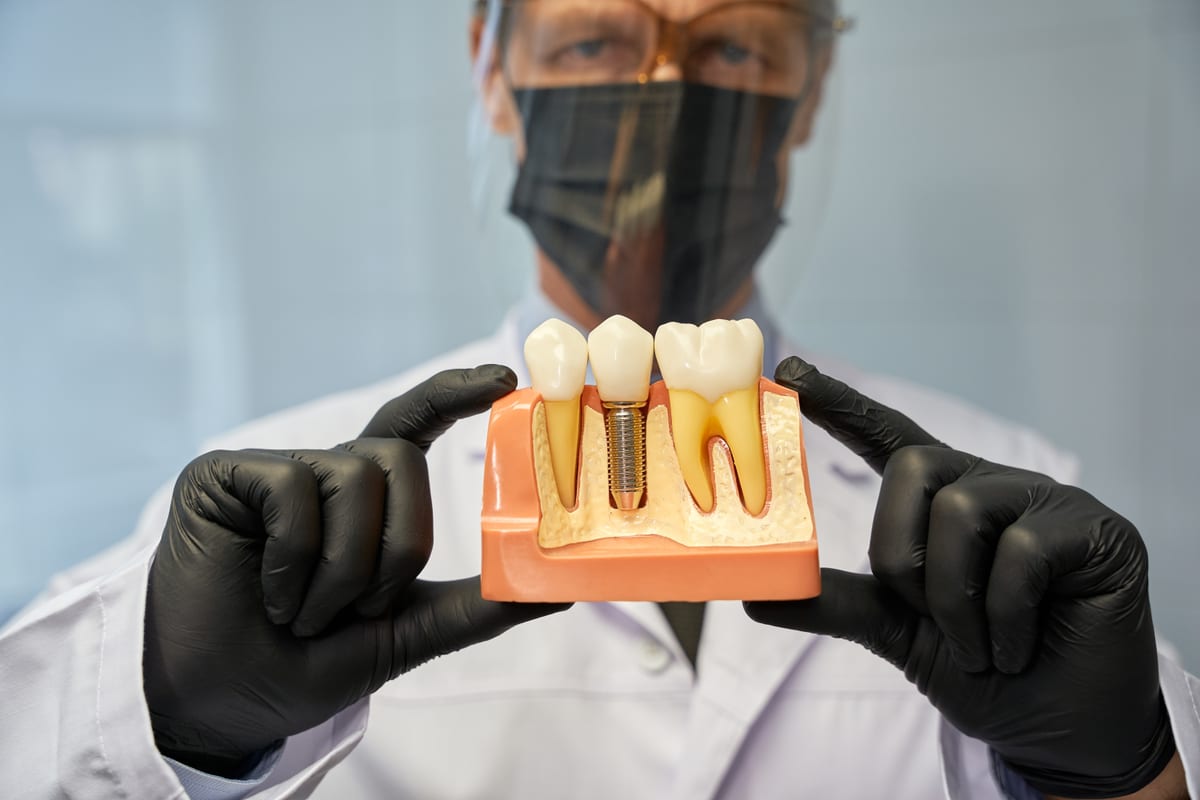
A dental crown is a custom-fitted cap that covers a damaged or weakened tooth. It restores the tooth’s shape, size, and function. A crown also protects the underlying tooth structure from further breakdown.
Crowns are made from several materials, including porcelain, ceramic, and metal alloys. Dr. Cope selects the right material based on the location of the tooth and your bite. The goal is always long-term durability combined with a natural appearance.
It’s important to know that a crown is a restorative solution — not a cosmetic upgrade. When a dentist recommends one, there is almost always a clinical reason behind it. Let’s explore the most common reasons patients in Lafayette hear this recommendation.
Clinical Reason 1: A Cracked or Fractured Tooth
A cracked tooth is one of the most frequent reasons Dr. Cope places a crown. Cracks can develop from grinding, chewing hard foods, or an old injury. The crack may not be visible to the naked eye, but it still poses a serious risk.
When you bite down, the two halves of a cracked tooth flex slightly apart. This motion causes sharp, unpredictable pain. Over time, the crack can deepen and reach the nerve.
A crown holds the cracked tooth together by surrounding it completely. This stops the flexing motion and prevents the crack from spreading. Without a crown, a cracked tooth often worsens and may eventually require extraction.
- Cracks may appear on any tooth but are most common on molars
- Pain when releasing bite pressure is a classic warning sign
- Digital X-rays at our Lafayette office help identify hidden fractures
- Early treatment significantly improves the long-term outcome
Clinical Reason 2: A Large or Failing Filling
Fillings don’t last forever. Over years of chewing, an older filling can crack, leak, or fall out entirely. When a filling is very large, it may also weaken the surrounding tooth structure.
Dr. Cope may recommend a crown when a filling takes up more than half the width of the tooth. At that point, the remaining natural tooth wall is too thin to support another filling. Placing another filling on top risks fracturing the tooth entirely.
A crown distributes biting forces evenly across the entire tooth surface. This dramatically reduces the risk of a catastrophic fracture. It’s a proactive decision that protects the tooth for many years to come.
Patients often ask whether they can simply replace the old filling. In many cases, the answer is no — not safely. The clinical threshold matters, and Dr. Cope will explain exactly where your tooth stands.
Clinical Reason 3: Tooth Protection After Root Canal Treatment
Root canal treatment removes infected pulp tissue from inside the tooth. This saves the tooth from extraction, but it also leaves the tooth structurally vulnerable. A tooth without its inner pulp becomes brittle over time.
Molars and premolars are especially at risk. These teeth absorb enormous chewing forces every day. Without a crown, a root-canal-treated back tooth is very likely to crack or fracture within a few years.
Placing a crown directly after root canal treatment is standard clinical practice. It seals the access point and protects the tooth from breakage. Dr. Cope typically plans both procedures together to minimize visits and protect your investment in saving the tooth.
- Front teeth may not always need a crown after root canal treatment
- Back teeth almost always require crown protection after root canal
- Delay in placing a crown can void the success of root canal treatment
- A well-placed crown can help a treated tooth last decades
Clinical Reason 4: A Broken Cusp or Severely Worn Tooth
A cusp is one of the pointed chewing surfaces on a back tooth. Cusps can break off due to decay, old restorations, or biting on something unexpectedly hard. When a cusp breaks, it leaves a jagged surface that can cut the cheek or tongue.
More importantly, a broken cusp exposes deeper tooth layers to bacteria. Without treatment, decay can reach the nerve quickly. A crown covers the entire tooth and restores full chewing function.
Severe tooth wear from grinding — a condition called bruxism — can also lead to crown recommendations. Teeth worn down to flat, sensitive stubs cannot function properly. Crowns rebuild the tooth to its proper height and protect the remaining enamel.
How the Crown Process Works at Highland Creek Family Dental
Dr. Shane Cope uses digital X-rays to assess the tooth in detail before recommending a crown. This technology allows for precise diagnosis with minimal radiation. It also helps patients see exactly what is happening inside their tooth.
The crown process typically takes two appointments. At the first visit, the tooth is shaped and an impression or digital scan is taken. A temporary crown protects the tooth while your permanent crown is crafted.
At the second visit, the permanent crown is cemented in place. Dr. Cope checks the bite carefully and makes any needed adjustments. Most patients leave feeling comfortable and confident in their restored smile.
For patients interested in smile improvements alongside restorative care, explore our Cosmetic Dentistry Lafayette services on the south side, or visit our Cosmetic Dentistry Lafayette page for east Lafayette patients.
Conclusion: Trust the Clinical Recommendation
When Dr. Cope recommends a crown, it reflects a thorough clinical assessment — not a routine suggestion. Cracked teeth, failing fillings, post-root-canal protection, and broken cusps all carry real risks when left unaddressed. A crown stops those risks before they become more serious problems.
Highland Creek Family Dental serves patients throughout Lafayette, IN with personalized, evidence-based care. Dr. Cope takes the time to explain every recommendation so you feel confident, not pressured. If you have questions about whether a crown is right for you, our team is ready to help. Book Now to schedule your appointment with our team.
Frequently Asked Questions
How do I know if I really need a crown or just a filling?
The key factor is how much healthy tooth structure remains. When a large filling, crack, or decay compromises more than half the tooth, a filling alone cannot restore it safely. Dr. Cope will show you digital X-rays and explain exactly why a crown is the stronger option for your specific tooth.
Does getting a crown hurt?
The procedure is performed under local anesthesia, so you should not feel pain during the appointment. Some sensitivity around the prepared tooth is normal for a few days afterward. Most patients find the discomfort mild and manageable with over-the-counter pain relievers.
How long does a dental crown last?
With good oral hygiene and regular checkups, a dental crown typically lasts 10 to 15 years or longer. Avoiding habits like grinding your teeth or chewing ice helps extend the crown’s lifespan. Dr. Cope will monitor your crown at every routine visit.
Can a cracked tooth heal on its own without a crown?
No — unlike bone, tooth enamel cannot regenerate or heal itself. A crack will not close or repair on its own. Without a crown to hold the tooth together, the crack will deepen and may eventually lead to extraction.
What happens if I delay getting a recommended crown?
Delaying a recommended crown increases the risk of the tooth fracturing, developing decay, or requiring root canal treatment. In the worst case, the tooth may become non-restorable and need extraction. Acting promptly protects both the tooth and your overall oral health.