By Highland Creek Family Dental | November 10, 2026
If you’re a new patient at Highland Creek Family Dental, you probably have questions. Digital X-rays are one of the most common topics that come up during first visits. Patients in Lafayette want to know if they’re safe, what the process looks like, and why they’re necessary. This guide answers the top five questions about digital X-rays in Lafayette — so you can walk into your appointment feeling informed and confident.
Question 1: Are Digital X-Rays Safe for Me and My Family?
This is the number one concern we hear from new patients. The good news is that digital X-rays use significantly less radiation than traditional film X-rays. In fact, the reduction can be up to 80–90% less exposure overall. That makes them a much safer option for patients of all ages, including children.
Dr. Shane Cope follows strict protocols to minimize any exposure. Lead aprons and thyroid collars are always used during imaging. The dose from a full set of digital X-rays is comparable to the natural radiation you receive on a short airplane flight.
If you’re pregnant or have specific health concerns, always let our team know before your appointment. We can adjust the timing or approach based on your individual needs.
Question 2: Why Do I Need X-Rays If My Teeth Feel Fine?
Many dental problems develop silently beneath the surface. Cavities between teeth, bone loss, and early infections are completely invisible during a visual exam. Digital X-rays in Lafayette allow Dr. Cope to catch these issues before they become painful or expensive.
Think of it this way — your teeth are only part of what we’re examining. The bone structure, roots, and surrounding tissue all tell an important story. Catching a small cavity early means a simple filling instead of a root canal later.
Here are some conditions that X-rays commonly detect before symptoms appear:
- Decay between teeth that can’t be seen by eye
- Bone loss associated with gum disease
- Impacted or misaligned teeth below the gumline
- Cysts, abscesses, or early signs of infection
- Changes in root structure or density
Prevention is always the most comfortable and cost-effective path. Regular imaging is a key part of that strategy at Highland Creek Family Dental.
Question 3: How Are Digital X-Rays Different From Traditional X-Rays?
Traditional film X-rays required chemical processing and took time to develop. Digital X-rays, by contrast, appear on a chairside screen within seconds. This means Dr. Cope can review your results with you in real time during your appointment.
The image quality is also dramatically improved. Digital sensors capture sharper, more detailed images that can be enlarged, adjusted for brightness, and shared electronically. This makes it easier to explain findings to patients clearly and accurately.
Here’s a quick comparison of the two technologies:
- Speed: Digital images appear instantly; film takes time to develop
- Radiation: Digital uses up to 90% less than traditional film
- Image quality: Digital is sharper and adjustable in real time
- Storage: Digital records are stored securely and easy to transfer
- Environmental impact: No chemical processing needed for digital
At Highland Creek Family Dental, we’ve invested in modern digital technology because our patients deserve accurate diagnostics and efficient care.
Question 4: How Often Will I Need X-Rays Taken?
The frequency depends on your individual oral health history and risk factors. New patients typically receive a full set of X-rays to establish a baseline. After that, routine bitewing X-rays are often taken once a year during checkups.
Patients with a history of gum disease, frequent cavities, or complex dental work may need imaging more often. Patients with very stable, low-risk oral health may be able to go longer between full sets. Dr. Cope customizes every treatment plan based on what your mouth actually needs — not a one-size-fits-all schedule.
Children and teenagers often need X-rays more frequently because their mouths are still developing. Monitoring tooth eruption and jaw growth helps prevent alignment problems down the road. This is especially important if Invisalign or orthodontic treatment may be on the horizon.
Question 5: What Should I Expect During the X-Ray Process?
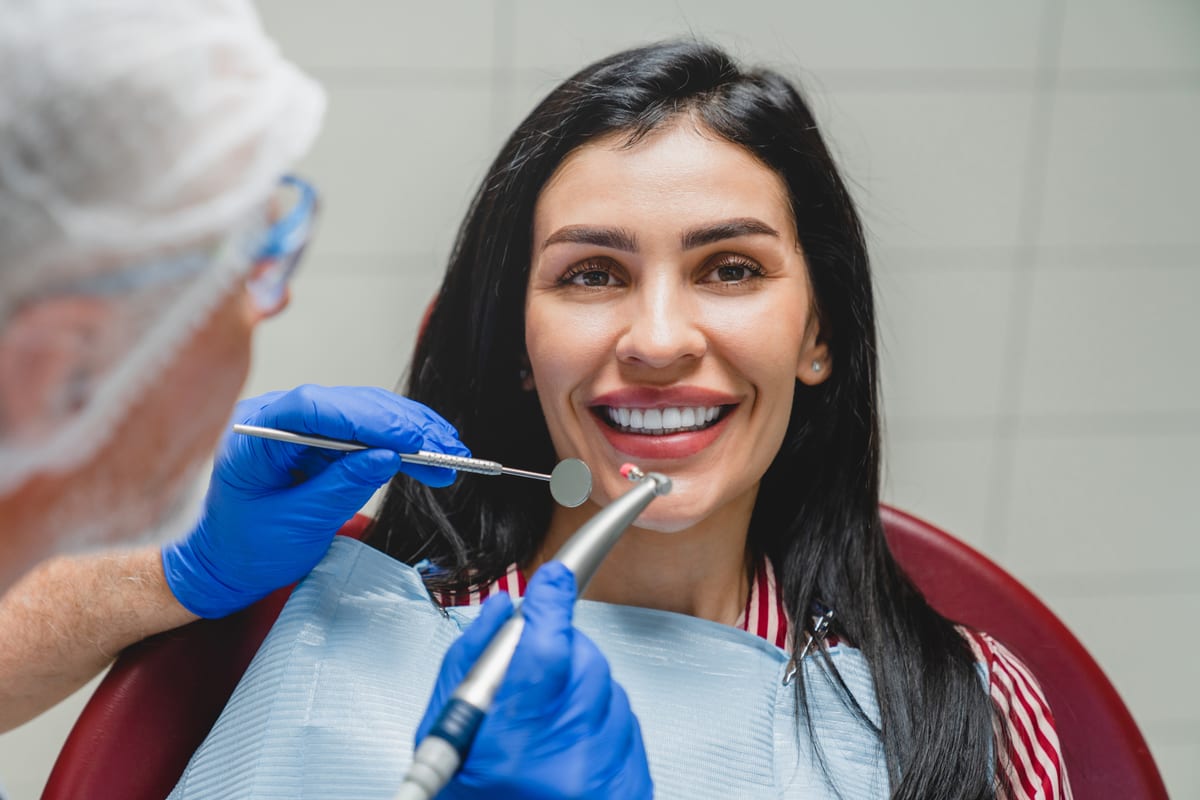
Most patients are pleasantly surprised by how quick and comfortable the process is. There are no injections, no drills, and no discomfort involved. The digital sensors are placed gently inside your mouth, and you hold still for just a moment while the image is captured.
Here’s what a typical X-ray visit at our Lafayette office looks like:
- Our team explains the process before we begin — no surprises
- You’ll be seated comfortably and fitted with a lead apron
- Small digital sensors are positioned carefully in your mouth
- Each image takes only a second to capture
- Results appear on screen immediately for Dr. Cope to review
- Dr. Cope walks you through the findings and answers your questions
The whole process typically takes just a few minutes. Our team works hard to make every step as comfortable as possible for every patient.
Digital X-Rays and Your Overall Dental Health in Lafayette
Digital X-rays are just one part of the comprehensive care we provide at Highland Creek Family Dental. They support treatments like dental implants, crowns, root canals, and tooth extractions by giving Dr. Cope the detailed imaging needed to plan precisely. They also play a role in cosmetic planning for patients interested in Cosmetic Dentistry Lafayette services.
Whether you’re considering smile improvements or simply maintaining your oral health, accurate imaging is the foundation of smart dental care. Patients across Lafayette trust Dr. Shane Cope to combine modern technology with a thoughtful, patient-first approach. If you’d also like to explore smile enhancement options, you can learn more about Cosmetic Dentistry Lafayette at our practice.
We know that visiting a new dental office can feel uncertain. Our goal is to make every step transparent, comfortable, and educational. Digital X-rays are one of the best tools we have to protect your long-term oral health — and now you know exactly what to expect. Book Now to schedule your appointment with our team.
Frequently Asked Questions
Are digital X-rays safe for children and pregnant patients?
Digital X-rays use up to 90% less radiation than traditional film X-rays, making them much safer for most patients. Children can safely receive digital X-rays as part of routine dental monitoring. If you are pregnant, please inform Dr. Cope before your appointment so we can evaluate the best timing and approach for your care.
How long does it take to get digital X-rays at Highland Creek Family Dental?
The process is quick and typically takes only a few minutes. Images appear on screen immediately after capture, so Dr. Cope can review and discuss results with you during the same visit. There’s no waiting for film to develop or results to come back later.
Do digital X-rays hurt?
No, digital X-rays are completely painless. Small sensors are placed gently inside your mouth, and the imaging itself takes just a second per image. Most patients find the process much more comfortable than they expected.
Why does a new patient need a full set of X-rays?
A full set of X-rays gives Dr. Cope a comprehensive baseline of your oral health. This includes bone levels, root structures, and any hidden issues that a visual exam cannot detect. Having this full picture helps create a personalized, accurate treatment plan from day one.
Can I request my digital X-rays be transferred from another dental office?
Yes, absolutely. Digital X-ray records are easy to transfer electronically between dental offices. If you have recent X-rays from another provider, our team can often use those to reduce the need for additional imaging at your first visit. Contact our office and we’ll guide you through the transfer process.