By Highland Creek Family Dental | October 12, 2026
You invest time, money, and trust into your dental care. But what happens between your visits matters just as much as the appointment itself. Many Lafayette patients unknowingly undo their dental work before their next checkup. The good news? A few daily habits can protect everything Dr. Shane Cope helps you achieve at Highland Creek Family Dental.
If you want to stop undoing your dental work between appointments in Lafayette, this guide is for you. We will walk through brushing technique, flossing, diet, and the right products to use at home.
Why Daily Habits Directly Affect Your Dental Results
Every restoration, cleaning, and treatment has a lifespan. That lifespan depends heavily on how you care for your mouth at home. Skipping brushing once or twice a week may seem harmless. Over months, though, it creates conditions that break down enamel and damage dental work.
Bacteria form plaque within hours of eating. If plaque is not removed consistently, it hardens into tartar. Tartar builds up around fillings, crowns, and implants. This accelerates wear and can lead to new decay right next to existing restorations.
Think of your dental appointments as maintenance checkpoints. The real work happens in the 180-plus days between visits. Your daily routine is what preserves the results Dr. Cope works hard to achieve for you.
The Right Brushing Technique to Protect Dental Work in Lafayette
Most people brush — but very few brush correctly. Aggressive scrubbing with a hard-bristled toothbrush wears down enamel. It can also irritate gum tissue around crowns and implants. Gentle, circular motions with a soft-bristled brush are far more effective.
Here are the brushing habits that protect your dental work long-term:
- Brush for a full two minutes, twice daily
- Use a soft-bristled toothbrush — replace it every three months
- Hold your brush at a 45-degree angle toward the gumline
- Use small circular strokes, not back-and-forth scrubbing
- Brush your tongue to reduce bacteria that cause decay
- Use a fluoride toothpaste recommended by your dentist
Electric toothbrushes are a great upgrade. They deliver consistent pressure and motion. Studies show they remove more plaque than manual brushing. Ask Dr. Cope which brand suits your specific dental work at your next visit.
Flossing and Rinsing — The Steps Most People Skip
Brushing cleans about 60% of your tooth surfaces. Flossing reaches the other 40% — the spaces between teeth where decay most commonly starts. Skipping floss means you are leaving nearly half your mouth unclean every day.
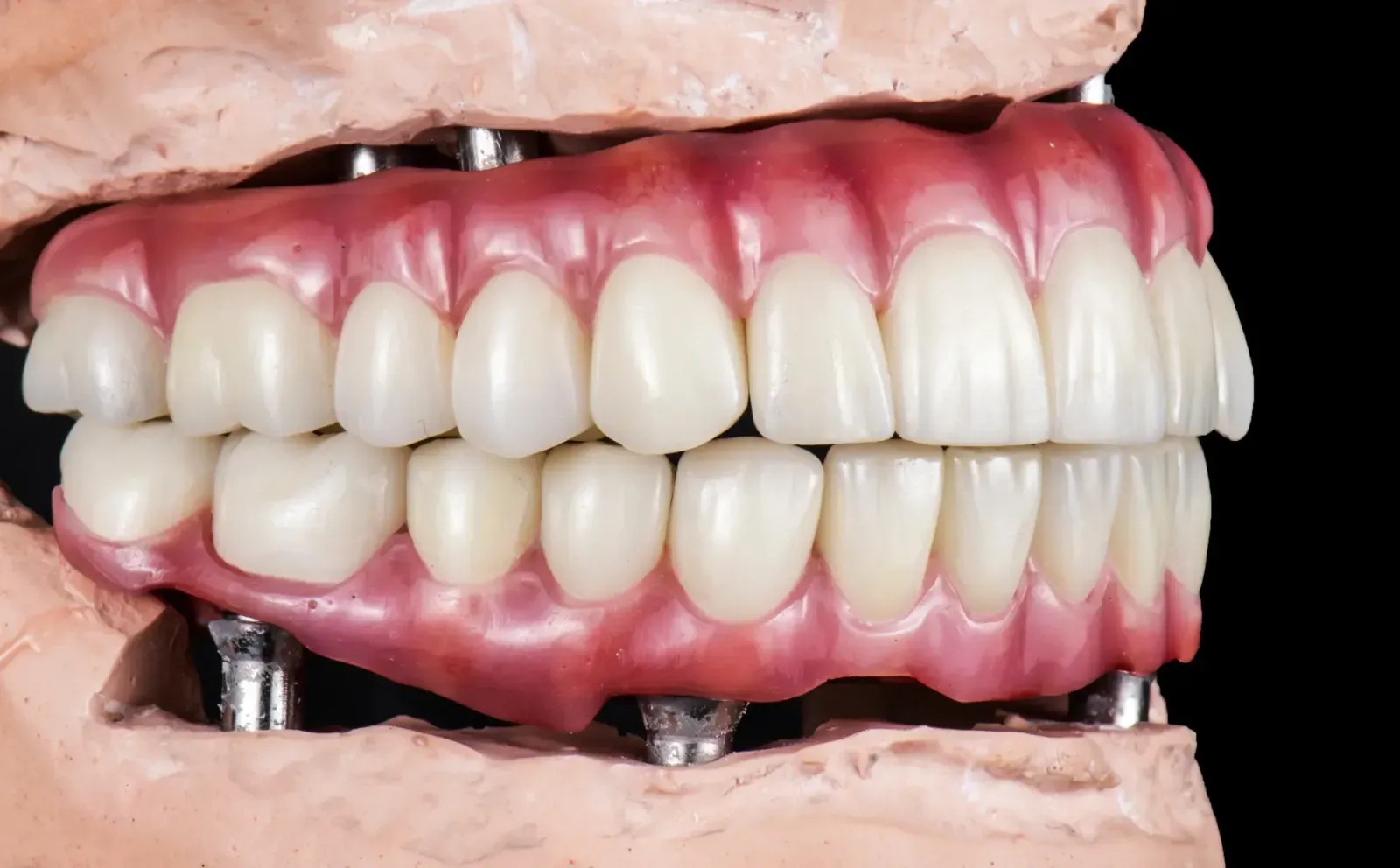
For patients with dental implants, bridges, or crowns, flossing is especially important. Food and bacteria accumulate beneath bridge pontics and around implant bases. Standard floss works well for natural teeth. Floss threaders or water flossers help clean around restorations more effectively.
Follow this simple daily rinsing routine:
- Floss between every tooth before brushing — not after
- Brush thoroughly using the technique described above
- Rinse with an antiseptic or fluoride mouthwash for 30 seconds
- Avoid eating or drinking for 30 minutes after rinsing
Consistency matters more than perfection. Even flossing five nights a week is dramatically better than skipping it entirely. Build the habit slowly and it will become automatic.
Diet Adjustments That Stop Undoing Your Dental Work Between Appointments
What you eat and drink has a direct impact on your dental restorations. Acidic foods and drinks erode enamel and can weaken the bond around fillings and crowns. Sugary foods feed the bacteria that produce acid as a byproduct. That acid is what causes decay.
Lafayette residents who love coffee, soda, and sports drinks should pay close attention. These beverages are highly acidic. Sipping them throughout the day creates a constant acid bath for your teeth. Drinking water alongside these beverages helps neutralize acid quickly.
Foods and drinks to limit between dental appointments include:
- Carbonated sodas and sparkling water with citric acid
- Sticky candies and chewy treats that pull at restorations
- Hard foods like ice, popcorn kernels, or hard candy
- Excessive coffee and tea without rinsing afterward
- Alcohol-based mouthwashes that dry out oral tissues
You do not have to eliminate these entirely. Moderation and rinsing with water afterward makes a significant difference. Eating crunchy vegetables like carrots and celery actually helps clean teeth naturally. These small swaps protect your smile between visits.
Products That Support Your Smile at Home
The dental aisle is overwhelming. Not every product marketed as beneficial actually is. Some whitening products are too abrasive and damage enamel over time. Some mouthwashes are alcohol-heavy and cause dry mouth, which increases decay risk.
Dr. Cope recommends choosing products with the American Dental Association seal. This ensures the product has been tested and proven safe. For patients with specific concerns — sensitivity, gum disease, or dry mouth — ask for a personalized recommendation at your next appointment.
If you have invested in smile improvements through Cosmetic Dentistry Lafayette, maintaining those results at home is critical. Whitening toothpaste, for example, can be helpful for surface stains. But overuse can scratch porcelain veneers or crowns. Your dentist can guide you on the right balance.
Patients who have pursued smile enhancements through Cosmetic Dentistry Lafayette often ask how to keep results looking fresh. The answer is simple: use gentle, ADA-approved products and follow your personalized home care plan.
How to Build a Home Care Routine That Actually Sticks
Knowing what to do is only half the battle. The other half is building a sustainable habit. Most people struggle with flossing because it feels like an added chore. The trick is to attach it to something you already do consistently.
Try keeping your floss on your bathroom counter next to your toothbrush. Visibility increases follow-through. Set a reminder on your phone for the first week. After 21 days, most habits become automatic. Start with one upgrade at a time rather than overhauling everything at once.
Tracking your routine also helps. A simple checklist on your bathroom mirror keeps you accountable. Note what you ate that day, whether you rinsed, and how long you brushed. Small wins build momentum over time. Your next dental appointment will reflect the effort you put in daily.
Conclusion: Your Smile Deserves Daily Care in Lafayette
Stopping the cycle of undoing your dental work between appointments in Lafayette starts with simple, consistent habits. Brush gently and thoroughly. Floss every day. Rinse with an appropriate mouthwash. Make mindful food choices. Choose the right products for your specific dental needs. These steps work together to extend the life of every restoration, filling, and treatment Dr. Cope provides. Your smile is worth protecting every single day — not just twice a year. Book Now to schedule your appointment with our team.
Frequently Asked Questions
How soon after a dental procedure should I resume normal brushing?
Most patients can resume gentle brushing the same day as their procedure. If you had an extraction or root canal, Dr. Cope will give you specific post-procedure instructions. Always follow the guidance provided at your appointment for the best healing outcome.
Can mouthwash replace flossing between dental visits?
Mouthwash is a valuable addition to your routine, but it cannot replace flossing. Floss physically removes food and plaque from between teeth. Mouthwash helps kill bacteria and freshen breath. You need both for comprehensive home care between appointments.
How often should I replace my toothbrush to protect my dental work?
Replace your toothbrush every three months or sooner if the bristles fray. Worn bristles lose their cleaning effectiveness and can scratch enamel. If you use an electric toothbrush, replace the head on the same schedule.
Are water flossers effective for patients with dental implants or bridges?
Yes, water flossers are highly effective for patients with implants, bridges, or crowns. They flush debris from hard-to-reach areas that traditional floss cannot access. Dr. Cope can recommend a water flosser model suited to your specific dental work.
What foods should I avoid right after getting a dental filling or crown?
Avoid sticky, hard, and chewy foods for at least 24 hours after a filling or crown placement. This allows the restoration to fully set and bond. Foods like caramel, ice, popcorn kernels, and hard candies should be limited long-term to protect your dental work.