By Highland Creek Family Dental | June 28, 2024
Have you ever experienced that sharp, throbbing pain in your tooth that lingers for what feels like an eternity? If you have, you’re not alone. According to the American Association of Endodontists, roughly 15 million root canal procedures are performed every year in the United States alone. That’s a lot of throbbing teeth! But before you start mentally preparing for an extraction, consider this: root canal therapy might be the answer to keeping your pearly white pain-free and functional.
Now, you might be thinking, “Isn’t a root canal a scary, painful procedure?” Traditionally, root canals haven’t exactly gotten the best rap. But fear not! Thanks to modern advancements in dentistry, root canals are now a relatively painless and effective way to save your natural tooth.
So, if you’re facing a potential root canal, keep reading to learn why this procedure is crucial for your dental health and overall well-being.
Understanding the Root of the Problem
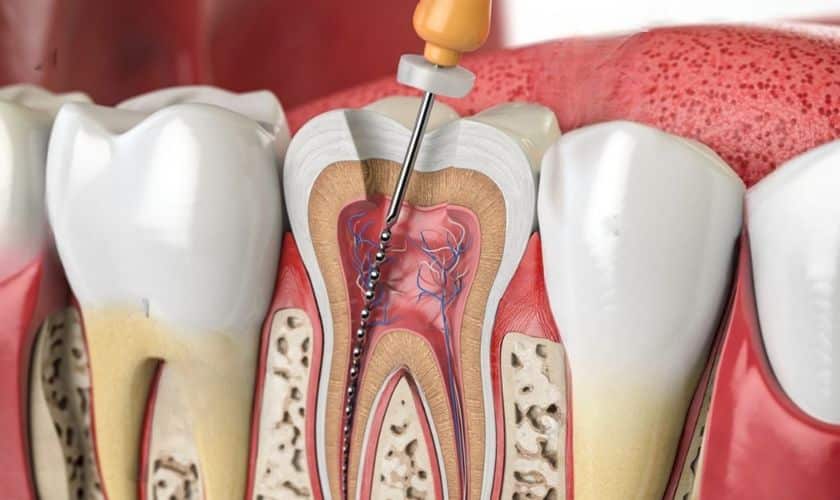
The human tooth is a marvel of engineering. Each tooth has a hard outer shell (enamel), a softer inner dentin layer, and a central pulp chamber that houses nerves, blood vessels, and connective tissue. This pulp is vital for tooth development but isn’t essential for the tooth’s ongoing function once the tooth is fully mature.
However, the pulp can become inflamed or infected due to various reasons, such as deep cavities, cracks in the tooth, or repeated dental procedures. When this happens, you might experience symptoms like:
- Throbbing toothache
- Sensitivity to hot and cold temperatures
- Swollen gums
- Visible pus around the tooth
If left untreated, the infection can spread to the jawbone and even cause systemic health problems. A root canal comes to the rescue in such situations.
How Does Root Canal Therapy Work?
Think of a root canal as a dental superhero, swooping in to save your tooth from the clutches of infection. Here’s a simplified breakdown of the procedure:
- Local Anesthesia: Your dentist will numb the area around the tooth to ensure a comfortable experience.
- Accessing the Pulp: A small opening is created in the crown of the tooth to reach the infected pulp chamber.
- Cleaning and Disinfection: The dentist carefully removes the infected pulp, cleans the root canals, and disinfects the area to eliminate bacteria.
- Sealing the Deal: The cleaned canals are filled with a special material to prevent reinfection. In some cases, a temporary or permanent crown might be placed on the tooth to restore its strength and function.
The entire procedure can typically be completed in one to three appointments, depending on the complexity of the case.
Why Save the Tooth? The Advantages of Root Canal Therapy
While an extraction might seem like a quicker fix, opting for a root canal offers several advantages:
- Preserves Natural Tooth Structure: Natural teeth are irreplaceable for optimal chewing, speech, and facial aesthetics. Root canal therapy in Lafayette allows you to keep your natural tooth structure intact.
- Improved Oral Health: Leaving an infected tooth untreated can lead to further complications like bone loss and even tooth loss in surrounding teeth. A root canal eliminates the infection, promoting overall oral health.
- Cost-Effective: While the upfront cost of a root canal might seem high, it’s often significantly cheaper than the cost of an extraction and subsequent procedures like bridges or implants to replace the missing tooth.
- Enhanced Quality of Life: Toothaches can be debilitating and significantly impact your quality of life. Root canal therapy alleviates pain and allows you to eat, speak, and smile with confidence.
Studies have shown a high success rate for root canal therapy, with teeth lasting for many years with proper care.
Living Your Best Life After Root Canal Therapy
Following your root canal procedure, your Lafayette dentist will provide specific instructions for recovery and aftercare. Generally, this may involve:
- Taking pain medication as prescribed.
- Maintaining good oral hygiene by brushing and flossing regularly.
- Avoiding chewing hard or sticky foods on the treated tooth.
- Scheduling regular dental checkups and cleanings.
With proper care, your root canal-treated tooth can function just like any other tooth and potentially last a lifetime!
Root canal therapy is a valuable tool in your dentist’s arsenal for preserving your natural smile and preventing serious health complications. If you’re experiencing tooth pain or suspect an infection, don’t hesitate to schedule a consultation with your qualified dentist in Lafayette. Early diagnosis and treatment are key to a successful outcome and a pain-free future.
Remember: Root canal therapy is an investment in your oral health and overall well-being. Don’t let fear or anxiety prevent you from seeking the treatment you need.