By Highland Creek Family Dental | September 25, 2026
It is easy to put off a dental appointment when your teeth feel fine. No pain, no obvious problems, no reason to go right? Not necessarily. Many dental problems can develop before they cause noticeable symptoms, which is one reason routine dental visits are an important part of maintaining your oral health.
A regular exam and cleaning can give your dental team an opportunity to check for changes, remove plaque and buildup that brushing alone may not eliminate, and discuss ways to protect your teeth and gums. If you are looking for a dental checkup in Lafayette, routine preventive care can help you stay ahead of potential problems rather than waiting for discomfort to appear.
Quick Answer
Regular dental checkups are important because they allow dental professionals to monitor your teeth and gums, identify potential problems early, provide professional preventive care, and recommend personalized oral hygiene strategies. Regular visits can also help address concerns before they become more complicated, although the appropriate appointment schedule varies according to each patient’s individual oral health needs.
What Happens During a Regular Dental Checkup?
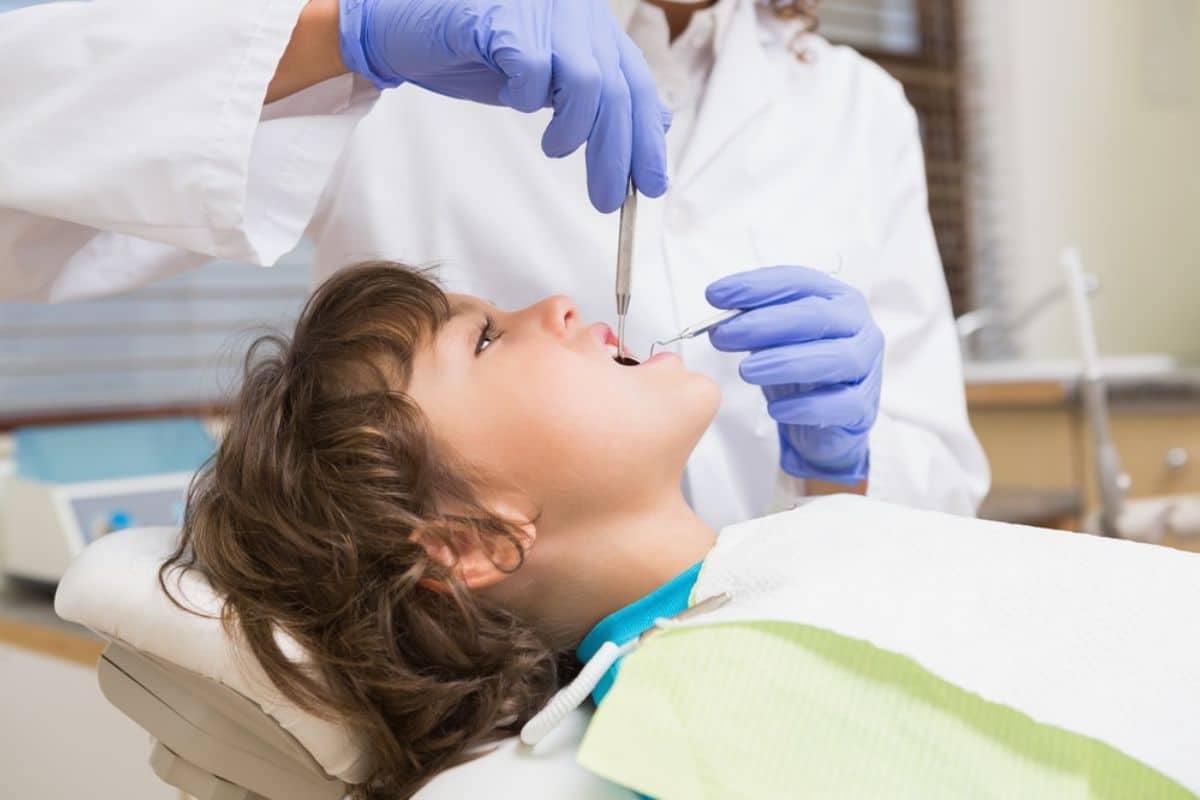
A routine dental appointment is about more than simply looking for cavities. Your visit may include several components depending on your oral health, history, symptoms, and individual needs.
A thorough examination
Your dentist may examine your teeth, gums, bite, and other areas of your mouth for signs of problems that may require attention. These can include tooth decay, gum inflammation, damaged teeth, or other changes in your oral health.
The goal is not simply to identify problems it is also to monitor changes over time. A finding that seems minor today may be something your dental team wants to watch at future appointments.
Professional cleaning
Even with consistent brushing and flossing, plaque can accumulate in areas that are difficult to clean thoroughly at home. Professional cleaning helps remove plaque and hardened deposits that cannot always be removed with an ordinary toothbrush.
Your dental team can also provide guidance about brushing, cleaning between your teeth, and other habits based on what they observe during your appointment.
Dental X-rays when appropriate
Dental X-rays are not necessarily needed at every routine visit. When clinically appropriate, dental imaging can help reveal problems that may not be visible during a standard examination, such as certain areas of decay or changes below the gumline.
The American Dental Association’s current guidance emphasizes that dental X-rays should be selected according to individual clinical needs rather than following a one-size-fits-all schedule.
5 Reasons Regular Dental Checkups Matter
1. They can help identify problems before they become obvious
One of the biggest advantages of routine dental care is monitoring your oral health when you do not have symptoms.
Cavities and gum disease do not always cause noticeable discomfort in their early stages. The CDC notes that gum disease can become serious before a person recognizes symptoms, making routine dental care an important part of prevention and early detection.
A checkup gives your dentist an opportunity to look for changes that you may not notice at home.
2. They support healthier teeth and gums
Daily oral hygiene remains the foundation of good oral health, but professional dental care is an important part of the overall picture.
The American Dental Association recommends brushing twice daily with fluoride toothpaste, cleaning between the teeth daily, and seeing a dentist regularly for prevention and treatment of oral disease. The appropriate recall interval should be tailored to a person’s individual needs and risk factors.
In other words, your home routine and professional dental visits work together.
3. They can help you stay ahead of gum problems
Healthy gums are an important part of a healthy smile. Persistent plaque buildup can contribute to gingivitis and, if gum disease progresses, more serious periodontal problems.
Warning signs can include bleeding gums, redness, swelling, tenderness, gum recession, loose teeth, or discomfort when chewing.
Regular examinations allow your dental team to monitor your gums and recommend appropriate care when changes are identified.
4. They provide an opportunity to improve your home-care routine
Sometimes the problem is not that you are ignoring your oral health it is that your routine could be more effective.
For example, you may be brushing regularly but having difficulty cleaning between certain teeth. Your dentist or dental hygienist can demonstrate techniques or recommend tools that better fit your needs.
The ADA emphasizes that oral-care recommendations may need to be personalized according to factors such as a patient’s risk for cavities or gum disease.
5. They help you make informed decisions about your oral health
A dental checkup is also a chance to ask questions.
Maybe you have noticed sensitivity. Perhaps your gums bleed occasionally when you floss. Maybe you are unsure how often you should have your teeth cleaned or whether a particular area of your mouth needs attention.
Bringing these concerns to your dental team allows them to evaluate the situation and explain your options rather than leaving you to guess what is happening.
How Often Should You Have a Dental Checkup?
There is no single appointment schedule that is appropriate for every person.
Your recommended recall interval can depend on factors such as your oral health, history of cavities or gum disease, risk factors, age, symptoms, and previous dental treatment. The ADA specifically notes that recall intervals should be tailored to individual needs rather than assuming that the same schedule works for everyone.
For patients who have questions about cleaning frequency, understanding why dentists recommend regular teeth cleanings can also provide helpful context about the role of professional preventive care.
That means you should follow the schedule recommended by your dental professional instead of relying on a fixed rule.
If you have been putting off dental care, you do not have to wait until something hurts before scheduling an appointment.
What If I Have No Dental Pain?
This is one of the most common reasons people delay routine appointments: “My teeth don’t hurt, so I must be fine.”
The absence of pain does not necessarily mean that everything is healthy. Some dental problems can develop without obvious symptoms, particularly during their earlier stages.
That is why preventive dental care focuses on monitoring your oral health rather than waiting for a problem to become uncomfortable.
A regular examination can help your dental team determine whether your current habits are working well and whether anything needs closer attention.
How Can You Get More From Your Dental Visits?
You can make routine appointments more useful by taking a few simple steps:
- Keep track of any changes in your teeth, gums, bite, or sensitivity.
- Tell your dental team about medications or health changes that may affect your oral care.
- Ask questions if you do not understand a recommended treatment.
- Follow the brushing and interdental-cleaning recommendations provided for your needs.
- Keep your recommended preventive appointments rather than waiting for symptoms.
- Tell your dental team if dental visits make you uncomfortable so they can discuss ways to make the experience easier.
Most importantly, view dental care as an ongoing process rather than something you only need when a tooth hurts.
When Should You Schedule a Dental Appointment Sooner?
Routine appointments are important, but some symptoms deserve prompt attention. Contact a dental professional if you experience significant tooth pain, facial or mouth swelling, persistent bleeding, a broken or damaged tooth, unusual sensitivity, loose teeth, or other sudden changes in your mouth.
A dental emergency may require more immediate evaluation.
If you are unsure whether a symptom needs urgent attention, contacting a dental office for guidance is generally better than ignoring a significant or worsening change.
Regular Dental Checkups in Lafayette
For patients in Lafayette, regular preventive dental care can be a practical way to stay aware of changes in their oral health while building consistent habits over time.
At Highland Creek Family Dental, patients can discuss their individual oral-health concerns and preventive-care needs with their dental team. The goal of a routine visit is not simply to clean your teeth, it is to understand your current oral health and help you make informed decisions about maintaining it.
If you are considering a dental visit in the Lafayette area, you can also see what local patients are saying on Google to get a better sense of the patient experience at Highland Creek Family Dental.
Frequently Asked Questions
How important are regular dental checkups?
Regular dental checkups are an important part of preventive oral care. They allow dental professionals to monitor your teeth and gums, identify potential concerns, provide professional cleaning when appropriate, and offer personalized guidance for maintaining your oral health.
Can I skip a dental checkup if my teeth feel fine?
It is generally not a good idea to use the absence of pain as the only reason to skip routine dental care. Some dental conditions may not cause noticeable symptoms at first. Your dentist can recommend an appropriate visit schedule based on your individual oral-health needs.
Are dental X-rays required at every checkup?
No. Dental X-rays are not automatically needed at every appointment. Your dental professional can determine whether imaging is appropriate based on your oral health, history, symptoms, age, and other clinical considerations. Current ADA recommendations emphasize individualized selection of dental imaging.
What should I do between dental checkups?
Brush your teeth twice a day with fluoride toothpaste and clean between your teeth daily. Maintain a balanced diet, limit frequent exposure to added sugars, and follow any personalized recommendations from your dental team.
How often should I have my teeth cleaned?
The appropriate frequency depends on your individual oral-health needs and risk factors. Some patients may need more frequent professional care, while others may have longer intervals between preventive visits. Your dental professional can recommend a schedule based on your circumstances.
Conclusion
The importance of regular dental checkups goes beyond keeping your smile looking clean. Routine dental care gives you an opportunity to monitor your teeth and gums, address concerns early, receive professional preventive care, and get personalized advice for your daily oral-hygiene routine.
If you are due for a checkup or have been postponing dental care because your teeth feel fine, consider scheduling an appointment with Highland Creek Family Dental in Lafayette, IN. A preventive visit can help you understand your current oral health and determine what care makes sense for you.