
By Highland Creek Family Dental | September 14, 2026
A toothache can be frustrating, especially when you’re unsure what’s causing it. Some dental pain may be temporary, while other symptoms can indicate a more serious problem inside the tooth. Knowing the signs you need a root canal can help you recognize when it may be time to schedule a dental evaluation.
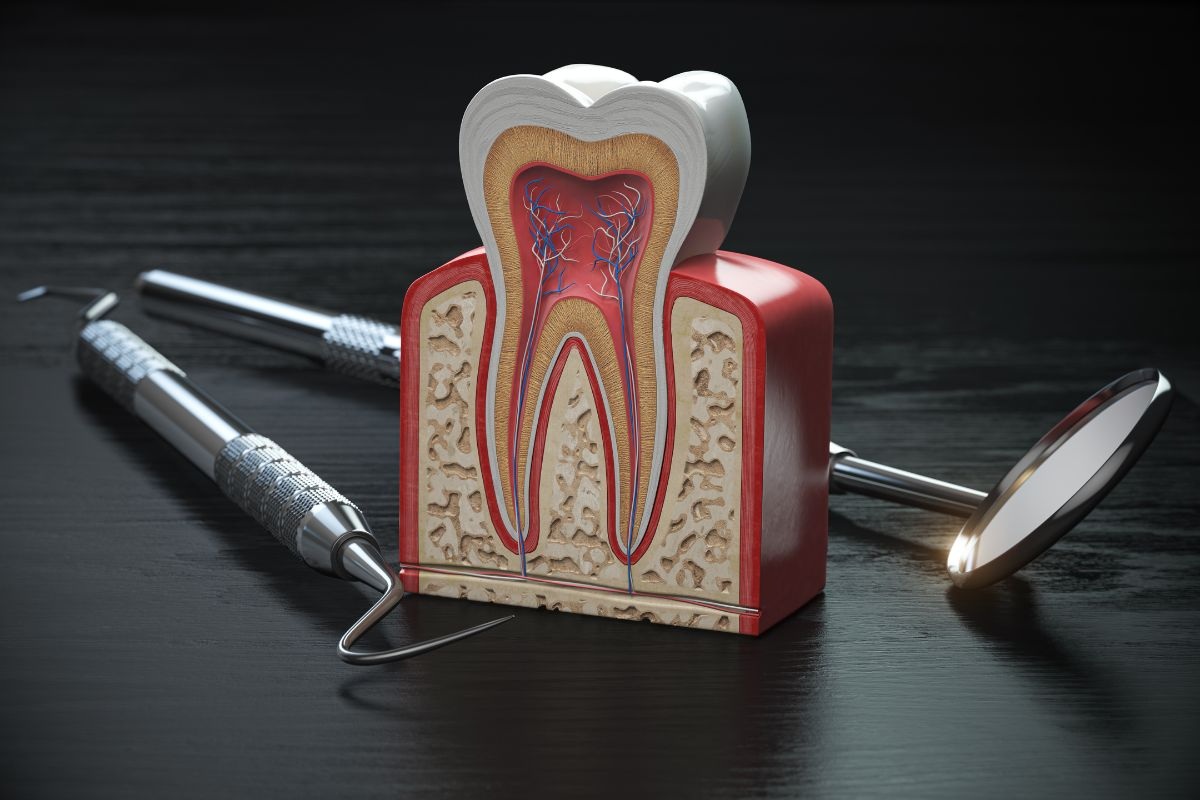
Root canal therapy is commonly recommended when the soft tissue inside a tooth, known as the pulp, becomes inflamed or infected. If you are experiencing persistent tooth pain or other concerning symptoms, learning more about root canal treatments in Lafayette can help you better understand what treatment involves and why your dentist may recommend it.
At Highland Creek Family Dental, patients in Lafayette, IN, can receive an evaluation to determine the cause of their symptoms. While certain warning signs may suggest a problem with the tooth pulp, only a dental examination can determine whether root canal therapy is appropriate for your individual situation.
Quick Answer
Some of the most common signs you need a root canal include persistent tooth pain, prolonged sensitivity to hot or cold temperatures, pain when biting or chewing, swollen or tender gums, tooth discoloration, and a pimple-like bump on the gums.
These symptoms do not automatically mean you need a root canal. However, they are important reasons to schedule a dental examination, especially when the discomfort persists or worsens.
1. Persistent or Severe Tooth Pain
Persistent tooth pain is one of the symptoms that may lead someone to seek an evaluation for root canal treatment.
The pain can vary significantly from person to person. Some people experience a constant ache, while others notice sharp or throbbing pain. Discomfort may occur on its own or become more noticeable when chewing.
A painful tooth does not always require a root canal. Cavities, gum problems, cracked teeth, and other dental conditions can also cause discomfort. However, ongoing pain should not be ignored.
When should you be concerned?
Consider scheduling a dental appointment if tooth pain:
- Continues for more than a short period
- Keeps coming back
- Interferes with eating or sleeping
- Becomes more severe over time
- Occurs without an obvious cause
A dentist can examine the tooth and identify the underlying source of the problem.
2. Lingering Sensitivity to Hot or Cold
Have you ever taken a sip of coffee or cold water and noticed that one tooth remained painful long after the temperature exposure ended?
Lingering sensitivity can be one of the symptoms of needing a root canal, particularly when the sensitivity is intense or lasts longer than expected.
Brief sensitivity does not necessarily indicate an infected tooth. For example, exposed tooth roots, enamel wear, cavities, or other issues may contribute to sensitivity.
However, prolonged discomfort after exposure to hot or cold temperatures deserves professional attention. A dental examination can help determine whether the pulp inside the tooth may be affected.
3. Pain When Biting or Chewing
Pain or pressure when biting down is another reason to have a tooth evaluated.
You may notice that:
- Chewing on one side feels uncomfortable
- Biting into food causes a sharp pain
- The tooth feels unusually sensitive to pressure
- You avoid using a particular area of your mouth
Pain when chewing can have several possible causes. A cracked tooth, decay, a damaged restoration, or inflammation around the tooth may all contribute to this type of discomfort.
Because several dental conditions can produce similar symptoms, it is important not to assume the cause. A dentist can evaluate the affected tooth and recommend appropriate care.
4. Swollen or Tender Gums Near a Tooth
Changes in the gums around a painful tooth may also be a warning sign.
You might notice tenderness, swelling, or discomfort in one particular area. In some situations, swelling can occur when infection or inflammation affects the tissues around the tooth.
Gum swelling can have many causes, including gum disease and localized irritation. Still, when swelling occurs alongside tooth pain or sensitivity, it is a good idea to schedule an evaluation.
If facial swelling is severe or you have difficulty breathing or swallowing, seek emergency medical attention.
5. A Small Bump on the Gums
A small, pimple-like bump on the gums near a tooth can also be a sign that something requires dental attention.
The bump may appear and disappear or occasionally release fluid. Even if discomfort temporarily improves, the underlying problem may still require evaluation.
It is important not to squeeze, pop, or attempt to treat the area yourself. Instead, contact a dental professional who can examine the area and determine the appropriate next step.
6. A Darkened or Discolored Tooth
A tooth that becomes noticeably darker than the surrounding teeth may need to be evaluated.
Tooth discoloration can occur for several reasons. Certain foods and beverages can stain teeth, and some changes in color are primarily cosmetic. However, discoloration affecting a single tooth may sometimes be associated with changes inside the tooth.
For example, a tooth may darken following trauma or damage. If one tooth suddenly looks gray, dark yellow, or otherwise different from neighboring teeth, it is worth mentioning during your dental visit.
A dentist can determine whether the color change is cosmetic or related to an underlying dental concern.
7. A Cracked, Deeply Decayed, or Injured Tooth
Not every dental problem begins with noticeable pain. A tooth with significant decay, a deep crack, or an injury may be more vulnerable to problems involving the pulp.
For example, bacteria may reach the inner portion of a tooth when decay progresses deeply. Trauma can also affect a tooth, sometimes immediately and sometimes over time.
This is one reason routine dental visits are important. A dentist may identify concerns before they become more painful or complicated.
If you have experienced a blow to the mouth or have a cracked or severely damaged tooth, scheduling an examination can help determine whether treatment is needed.
How Do You Know If You Actually Need a Root Canal?
The short answer is that symptoms alone cannot confirm whether you need root canal therapy.
A dentist typically needs to evaluate the tooth and may use diagnostic methods such as an examination and dental X-rays. The goal is to identify the source of the symptoms and determine the most appropriate treatment.
This is important because many conditions can cause similar symptoms. A cavity, cracked tooth, gum condition, or other dental problem may cause pain or sensitivity without requiring a root canal.
Rather than trying to diagnose the problem based on symptoms alone, the safest approach is to schedule a professional evaluation.
What Happens During Root Canal Therapy?
Root canal therapy is designed to address problems affecting the inside of a tooth while preserving the natural tooth whenever appropriate.
The general process may involve:
- Examining and evaluating the affected tooth.
- Numbing the treatment area for patient comfort.
- Accessing the inside of the tooth.
- Cleaning and treating the affected area.
- Sealing the tooth.
- Recommending appropriate restoration or follow-up care when needed.
Every patient’s situation is different, so the exact treatment process may vary.
Understanding the importance of root canal therapy can also help patients see why addressing certain dental problems promptly may be preferable to delaying care. When a dentist recommends treatment, they can explain what they found, why treatment may be appropriate, and what options are available.
Should You Wait If the Pain Goes Away?
Not necessarily.
One of the reasons dental symptoms can be confusing is that pain may change over time. A toothache may improve temporarily, but that does not always mean the underlying issue has resolved.
If you experienced significant tooth pain, prolonged sensitivity, swelling, or another concerning symptom, it is still wise to discuss it with your dentist even if you currently feel better.
Paying attention to changes in your mouth and seeking care when something feels unusual can help you get answers before the problem potentially becomes more difficult to manage.
When Should You See a Dentist for Possible Root Canal Symptoms?
Schedule a dental evaluation if you experience persistent or recurring symptoms such as:
- Ongoing tooth pain
- Severe sensitivity to heat or cold
- Pain while biting or chewing
- Swelling or tenderness near a tooth
- A bump on the gums
- A darkened tooth
- A cracked or severely damaged tooth
Prompt evaluation is especially important when symptoms worsen or interfere with daily activities.
For patients searching for dental care in Lafayette, IN, Highland Creek Family Dental can evaluate concerning symptoms and discuss appropriate treatment options based on your individual needs.
You can also see patient reviews on Google to learn more about the experiences local patients have shared.
Frequently Asked Questions
What are the first signs you need a root canal?
Possible early warning signs include persistent tooth sensitivity, recurring tooth pain, or discomfort when chewing. However, symptoms vary, and some dental problems may produce similar signs. A professional examination is the best way to determine the cause.
Can you need a root canal without pain?
Yes, it is possible for some dental problems to cause limited or no noticeable pain. Changes may sometimes be identified during a dental examination or through diagnostic imaging. Regular dental visits can help identify concerns that may not yet be causing symptoms.
How long can you wait if you think you need a root canal?
There is no universal timeline because the underlying cause and severity can vary. If you have persistent pain, swelling, or other concerning symptoms, contact a dentist rather than waiting to see if the problem resolves on its own.
Does a dark tooth mean you need a root canal?
Not always. A darkened tooth can have several causes. However, if a single tooth changes color particularly after an injury or alongside pain, it should be evaluated by a dentist.
What happens if an infected tooth is not treated?
The outcome depends on the specific condition. Dental problems involving infection or significant inflammation should be professionally evaluated because delaying necessary care may allow the problem to persist or worsen.
Don’t Ignore the Signs of a Possible Dental Problem
Recognizing the signs you need a root canal can help you know when it is time to seek professional dental care. Persistent pain, prolonged sensitivity, swelling, discomfort while chewing, and changes in a tooth’s appearance are all good reasons to schedule an evaluation.
The important thing to remember is that symptoms alone cannot diagnose the problem. A dental professional can examine the affected tooth, explain what may be causing your symptoms, and discuss the treatment options that may be appropriate for you.
If you are experiencing tooth pain or other symptoms in Lafayette, IN, contact Highland Creek Family Dental to schedule an evaluation. Getting professional guidance can help you understand what is happening and determine the next step for your dental health.