
By Highland Creek Family Dental | October 18, 2024
Ever wondered how that dazzling smile you’ve always dreamed of can be compromised by something as seemingly insignificant as an oral infection? It’s a common misconception that cosmetic dentistry is all about aesthetics. In reality, it’s deeply intertwined with oral health. And when it comes to oral health, antibiotics play a crucial role in protecting your smile.
The Link Between Cosmetic Dentistry and Oral Infections
While cosmetic procedures like veneers, dental implants, and teeth whitening can dramatically enhance your smile, they can also make you more susceptible to oral infections. Here’s why:
- Invasive Procedures: Many cosmetic dental procedures involve invasive techniques that can disrupt the natural defenses of your oral tissues, making them more vulnerable to bacteria.
- Foreign Materials: Dental implants, for instance, introduce foreign materials into your mouth, which can potentially lead to inflammation and infection.
- Compromised Oral Hygiene: The excitement of a new smile can sometimes lead to a lapse in oral hygiene, creating an ideal environment for bacteria to thrive.
Dental Implants: A Sturdy Foundation with a Potential Risk
Dental implants are a fantastic way to replace missing teeth. They’re a long-term solution that looks and feels natural. However, the surgical procedure involved can create a pathway for bacteria to enter the gums and surrounding tissues.
To prevent infections and ensure the success of the dental implants, your dentist might prescribe antibiotics before and after the surgery.
According to a study published in the International Journal of Oral & Maxillofacial Implants, the use of antibiotics significantly reduced the risk of peri-implantitis, a serious gum infection that can lead to implant failure.
Gum Grafting: Replenishing the Gums
If you have a gummy smile, gum contouring can help to create a more aesthetically pleasing appearance. This procedure involves reshaping the gum disease to reveal more of your teeth. While it’s a relatively minor procedure, there’s still a risk of infection.
Antibiotics can help to reduce the likelihood of complications and ensure a smooth healing process.
Porcelain Veneers: A Hollywood Smile with a Cautionary Note
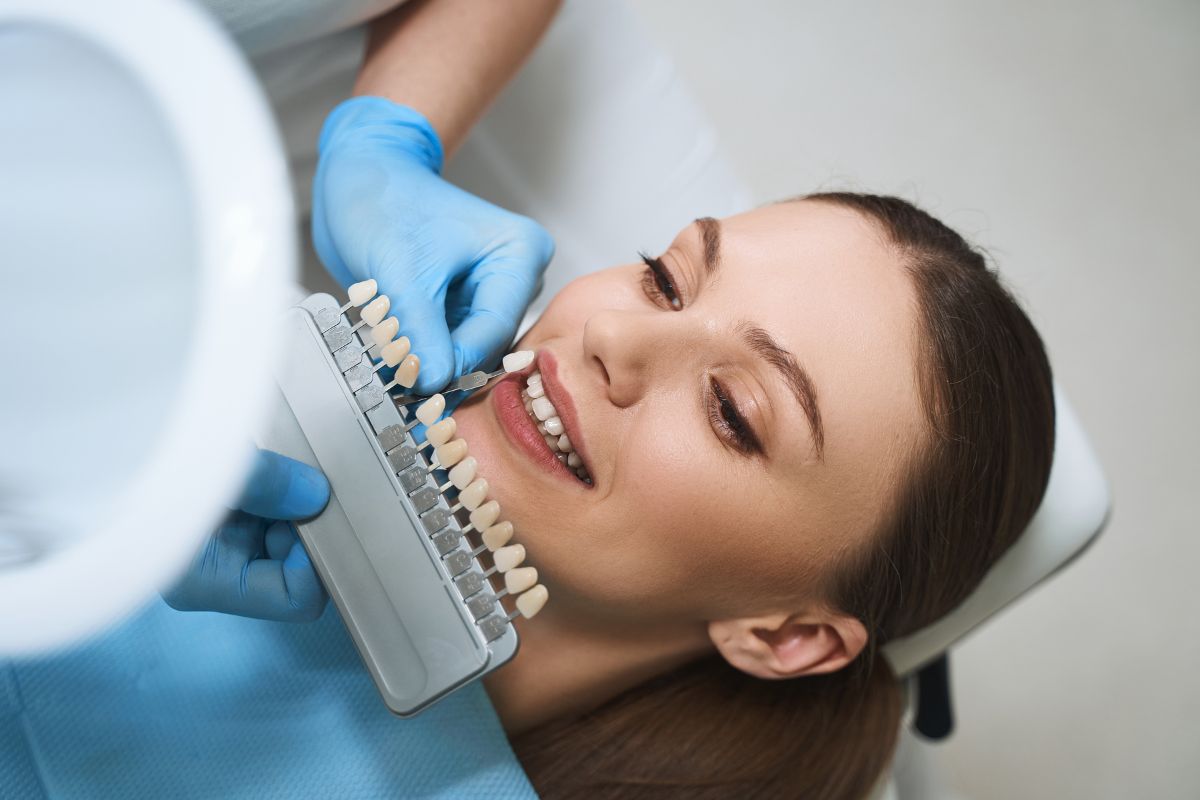
Porcelain veneers are thin, custom-made shells that are bonded to the front surfaces of your teeth to improve their appearance. The preparation for veneers involves removing a small amount of enamel from your teeth. This can expose sensitive areas that are more susceptible to infection.
Antibiotics can help to protect these areas and prevent complications during the healing process.
Teeth Whitening: A Brighter Smile, But Beware of Sensitivity
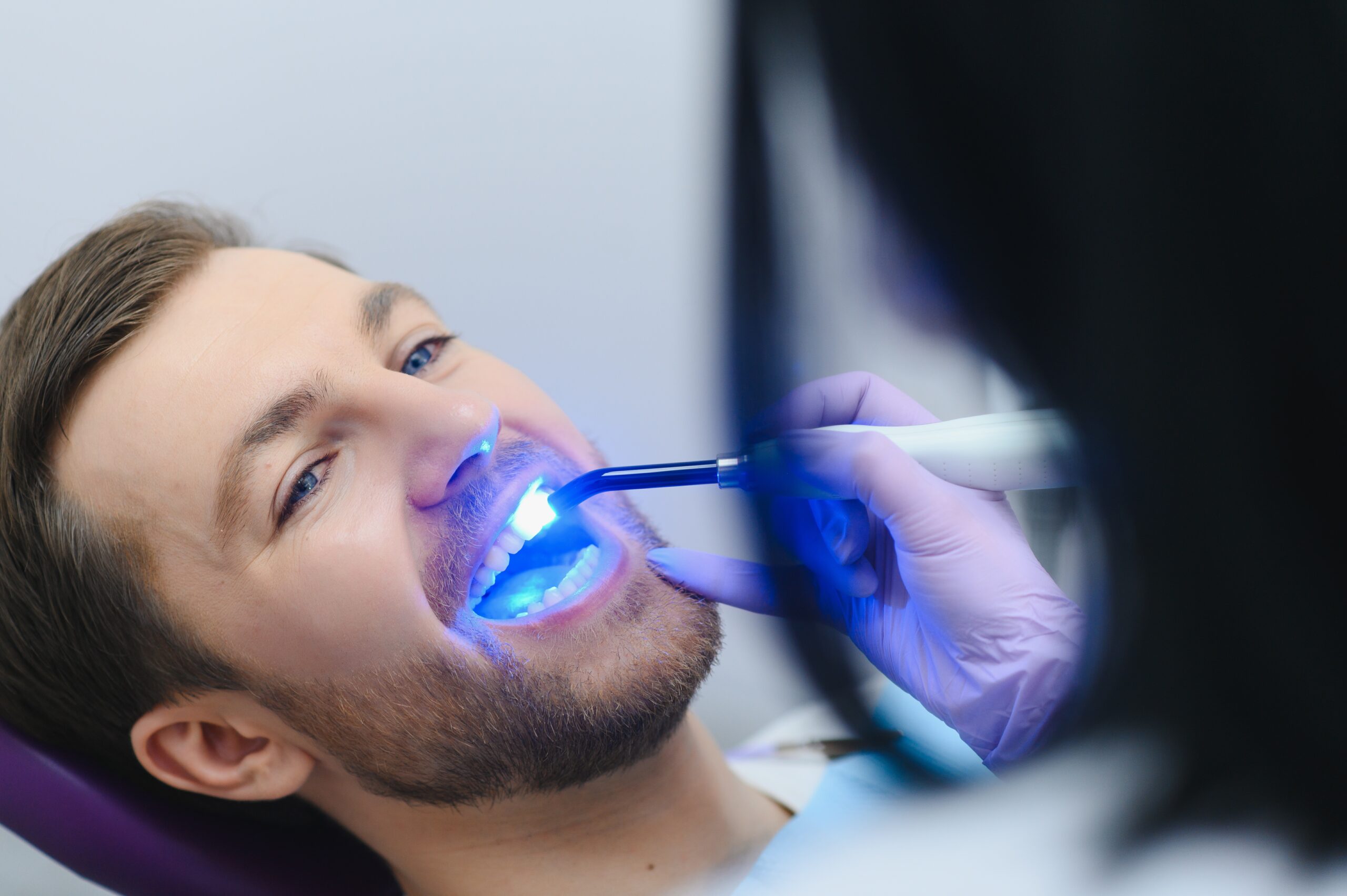
Teeth whitening is a popular cosmetic procedure that can help to brighten your smile. While it’s generally considered a safe procedure, some professional whitening techniques, such as in-office laser whitening, can irritate the gums.
Antibiotics can be used to prevent infections and ensure that your gums heal properly.
Orthodontic Treatment (Braces or Invisalign)
Orthodontic treatments, such as traditional braces or clear aligners, can involve adjustments or adjustments that may create minor tissue trauma. Invisalign is a clear aligner system that is used to straighten teeth without the need for traditional braces. While Invisalign is generally a comfortable and convenient treatment, there’s still a risk of irritation and infection. The aligners can create a warm, moist environment that can promote bacterial growth.
Antibiotics can help to reduce the risk of complications and ensure a successful treatment.
Root Canals
Even seemingly simple procedures like root canals can lead to infections if bacteria aren’t properly controlled.
Antibiotics can help prevent this by targeting any bacteria that may be present.
Tooth Extraction
While tooth extraction might seem like a relatively simple procedure, it can still pose a risk of infection. Especially if the tooth is impacted or has a complex root structure, the extraction process can damage the surrounding tissues.
Antibiotics can help ward off bacteria and promote healing.
Conclusion
It’s important to note that not everyone who undergoes these procedures will require antibiotic your dentist will carefully assess your individual risk factors and determine if antibiotics are necessary. If you have any concerns about antibiotics or other aspects of your cosmetic dental treatment, don’t hesitate to ask your dentist for more information.
Remember, prevention is key when it comes to dental infections. Good oral hygiene practices, such as brushing twice a day, flossing regularly, and seeing your qualified dentist in Lafayette for regular check-ups, can help to reduce your risk of complications.
By understanding the potential risks associated with cosmetic dental procedures and taking steps to prevent infections, you can enjoy a beautiful smile without worry.