By Highland Creek Family Dental | February 27, 2026
A dental bridge is a reliable way to replace one or more missing teeth. Once your bridge is placed, the real work begins at home. The way you care for it every day will decide how long it lasts. Whether you just got a bridge or have had one for years, this guide walks you through everything you need to know. At Highland Creek Family Dental, we believe that a well-informed patient is a confident one. If you are looking for a skilled dentist in Lafayette to guide you through the process, we are here to help.
What Is a Dental Bridge and Why Does It Need Special Care?
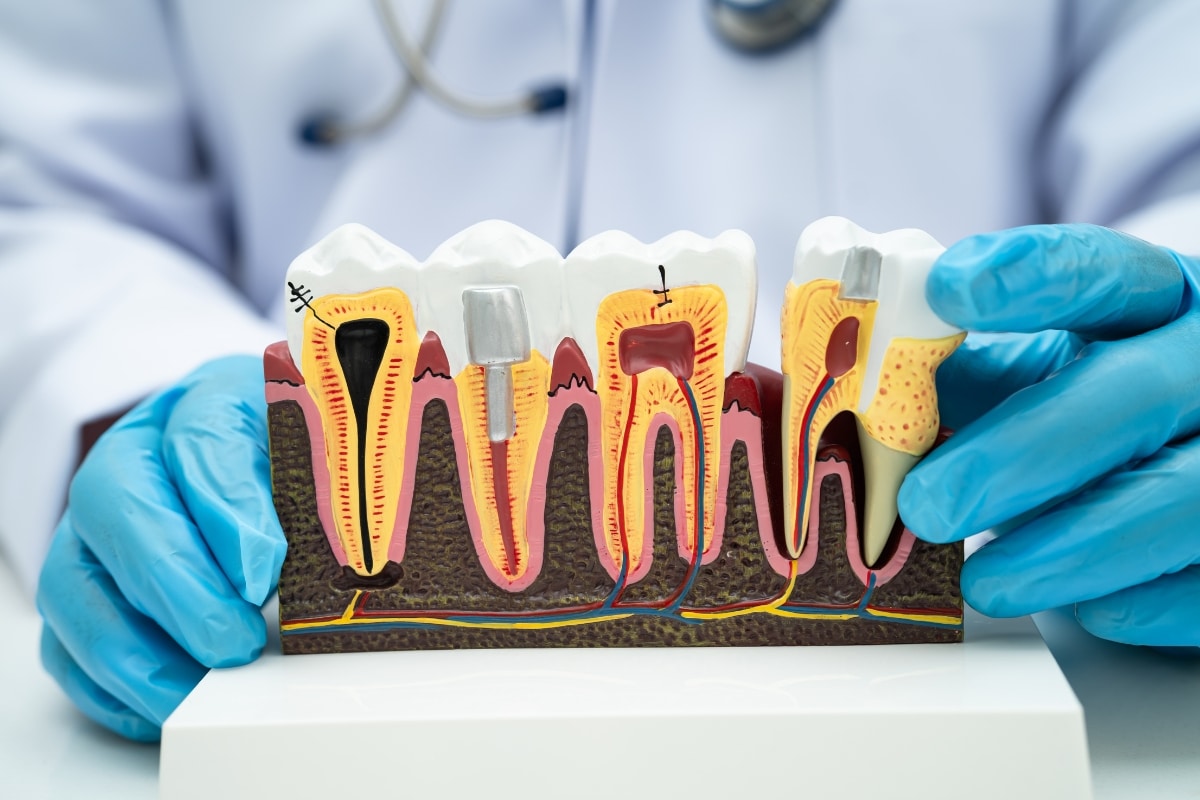
A dental bridge fills the gap left by a missing tooth. It uses the teeth on either side of the gap as anchors (called abutment teeth), and a false tooth sits in between. The bridge is fixed in place and does not come out like dentures.
Because the bridge covers both the replacement tooth and part of the natural teeth holding it, food and bacteria can collect underneath. Without good daily care, this can lead to gum disease or decay in the anchor teeth. That is why cleaning under and around a bridge matters just as much as brushing the visible surfaces.
Daily Cleaning Habits That Make a Difference
Brush Twice a Day
Use a soft-bristle toothbrush and fluoride toothpaste. Brush for two minutes, covering all surfaces of the bridge. Hold the brush at a 45-degree angle toward the gum line to clean the edges where the bridge meets the gum. This removes plaque before it hardens into tartar.
Floss Under the Bridge Every Day
Regular floss cannot slide between a bridge and the gum because the teeth are connected. Instead, use a floss threader or interdental brush to clean underneath. A water flosser is also a great option, and many patients find it easier to use. According to the American Dental Association, cleaning between teeth and under dental work every day is one of the most important steps you can take for oral health.
Rinse With an Antibacterial Mouthwash
After brushing and flossing, swish with an antiseptic mouthwash. This helps reduce bacteria in areas your brush may not fully reach. Look for a mouthwash with fluoride for added protection against decay.
Foods to Avoid With a Dental Bridge
What you eat plays a big role in how long your bridge lasts. Try to avoid or limit these:
• Hard foods like ice, hard candy, and raw carrots can crack the porcelain or put stress on the anchor teeth.
• Sticky foods like caramel, taffy, or gummy candies can pull at the bridge and loosen the cement over time.
• Sugary drinks can increase the risk of decay in the natural teeth around the bridge.
You do not have to give up all your favorite foods. Just be mindful and chew on the other side of your mouth when eating something hard or chewy.
Signs Your Bridge Needs Attention
Not every problem is obvious. Watch out for these signs:
• Sensitivity or pain when biting down
• A loose or shifting feeling in the bridge
• Soreness or swelling around the gum line
• A bad taste or smell that does not go away after brushing
If you notice any of these, do not wait. Early attention often means a simple fix. Left alone, small problems can grow into bigger ones. The team at Highland Creek Family Dental, your trusted dentist in Lafayette, can assess the issue quickly and recommend the right next step.
The Role of Regular Dental Checkups
Brushing and flossing at home are essential, but they are only part of the picture. Professional cleanings remove tartar that builds up even with great home care. During checkups, your dentist will also check the fit and condition of the bridge, look for early signs of decay or gum disease, and make sure the anchor teeth remain healthy.
The Cleveland Clinic recommends visiting your dentist at least twice a year when you have a dental bridge. Staying consistent with appointments is one of the easiest things you can do to extend the life of your restoration. You can also learn more about general oral hygiene at MouthHealthy.org by the ADA.
How Long Does a Dental Bridge Last?
With good care, a dental bridge can last 10 to 15 years or even longer. The lifespan depends on the material used, the health of the anchor teeth, and your daily habits. Porcelain-fused-to-metal bridges are very common, while all-ceramic bridges offer a more natural look. Your dentist will help you choose the right type based on the location of the missing tooth and your bite.
Frequently Asked Questions
Can I eat normally with a dental bridge?
Yes, in most cases. Avoid very hard or sticky foods to protect the bridge. Eat a balanced diet and chew carefully, especially with harder textures.
How do I clean under a dental bridge?
Use a floss threader, interdental brush, or water flosser. These tools allow you to clean the space between the bridge and the gum, which a regular toothbrush cannot reach.
Is it normal for a dental bridge to feel tight at first?
A slight tightness or pressure is normal after placement. It should ease within a few days. If it does not, or if you feel pain, contact your dentist.
Can a dental bridge fall out?
It can, though it is not common. This may happen if the cement weakens or if a supporting tooth develops decay. If your bridge feels loose, see your dentist right away.
Do I still need to floss if I have a bridge?
Yes. Flossing is still important. You will need a floss threader or similar tool to clean under the bridge and around the anchor teeth. Skipping this step increases the risk of gum disease and decay.
How much does a dental bridge cost?
Costs vary based on the number of teeth involved, the material used, and your location. Many dental insurance plans cover a portion of the cost. Ask your local dental office for a clear estimate during your consultation.
What happens if I do not care for my bridge properly?
Poor care can lead to decay in the anchor teeth, gum disease, or a loose bridge. Once the supporting teeth are damaged, replacing the bridge becomes more complex and costly.
Conclusion
Caring for a dental bridge is not complicated, but it does require consistency. Brush, floss under the bridge daily, watch what you eat, and see your dentist twice a year. These habits protect both the bridge and the natural teeth supporting it.
At Highland Creek Family Dental, we help patients across Lafayette and the surrounding area get the most from their dental restorations. Whether you are thinking about a bridge or already have one, our team is ready to support your care. A great dentist in Lafayette can make all the difference in keeping your smile healthy for years to come. Ready to take the next step? Schedule a consultation with our team today. You can also contact a local dental office like ours to ask questions, request a checkup, or explore your options. A healthy smile is worth the effort, and we are here to help every step of the way.