By Highland Creek Family Dental | October 25, 2024
Are you missing multiple teeth and considering your options for restoration? Full mouth implants and bridges are two popular choices, each with its own set of advantages and disadvantages. But which one is the right fit for you?
Let’s dive into the details and explore the factors to consider when making this important decision.
Understanding Your Options
Full Mouth Implants
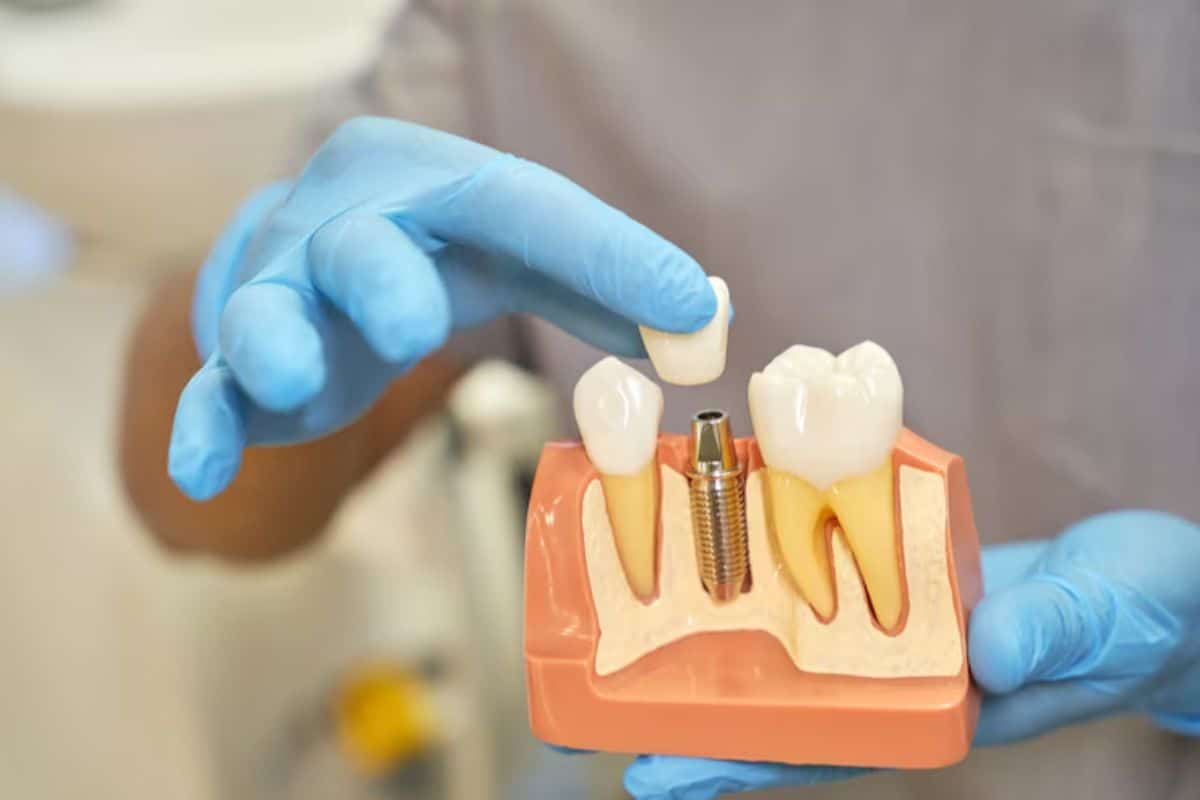
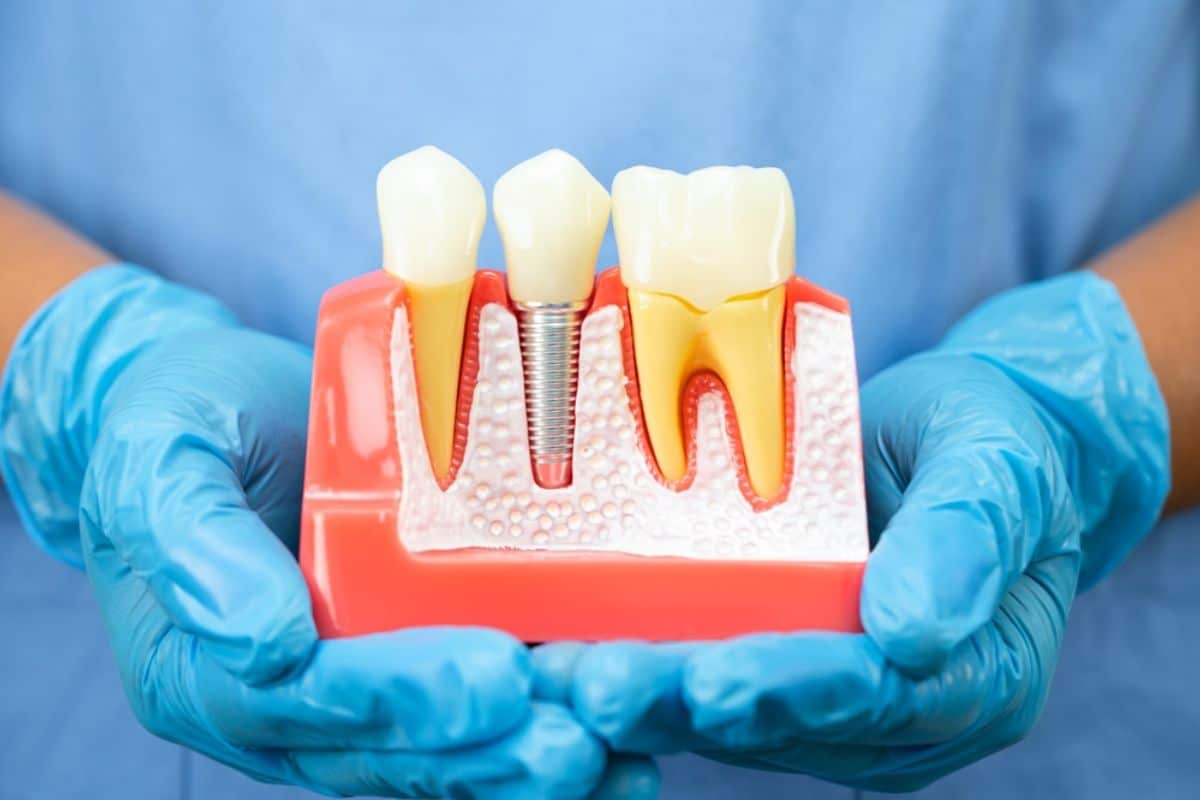
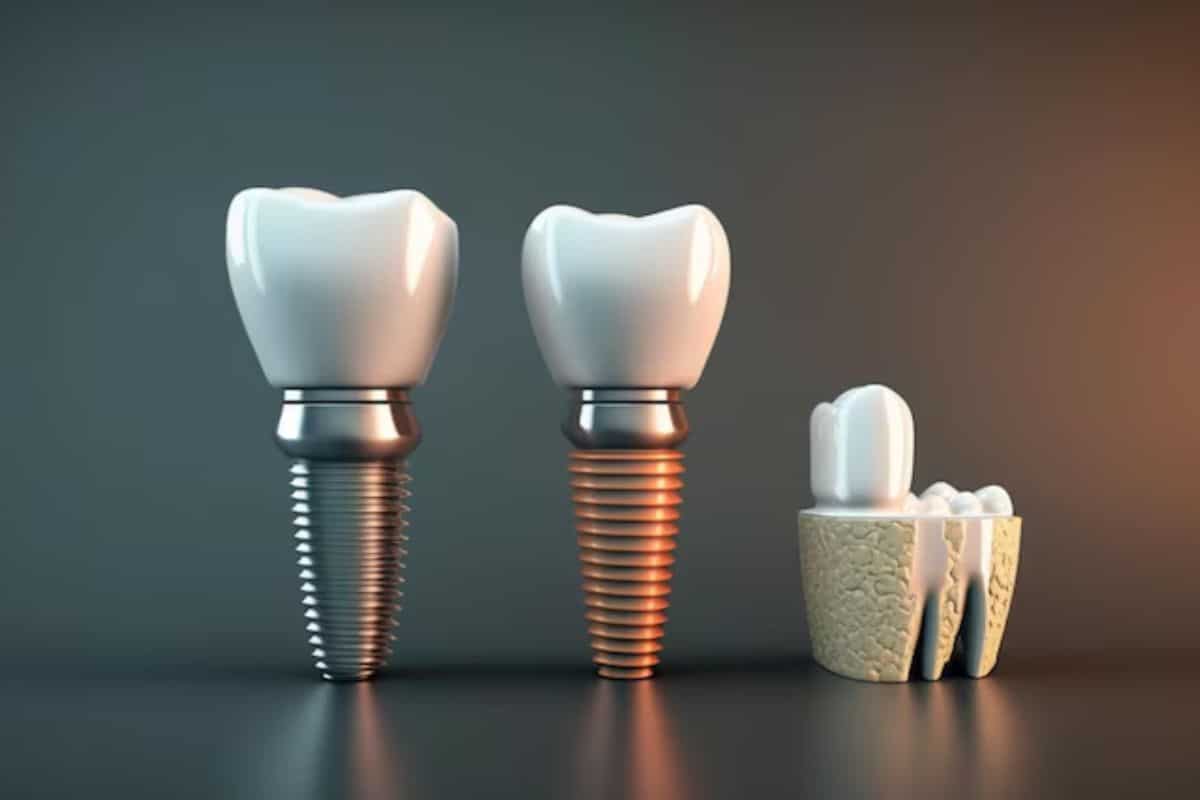
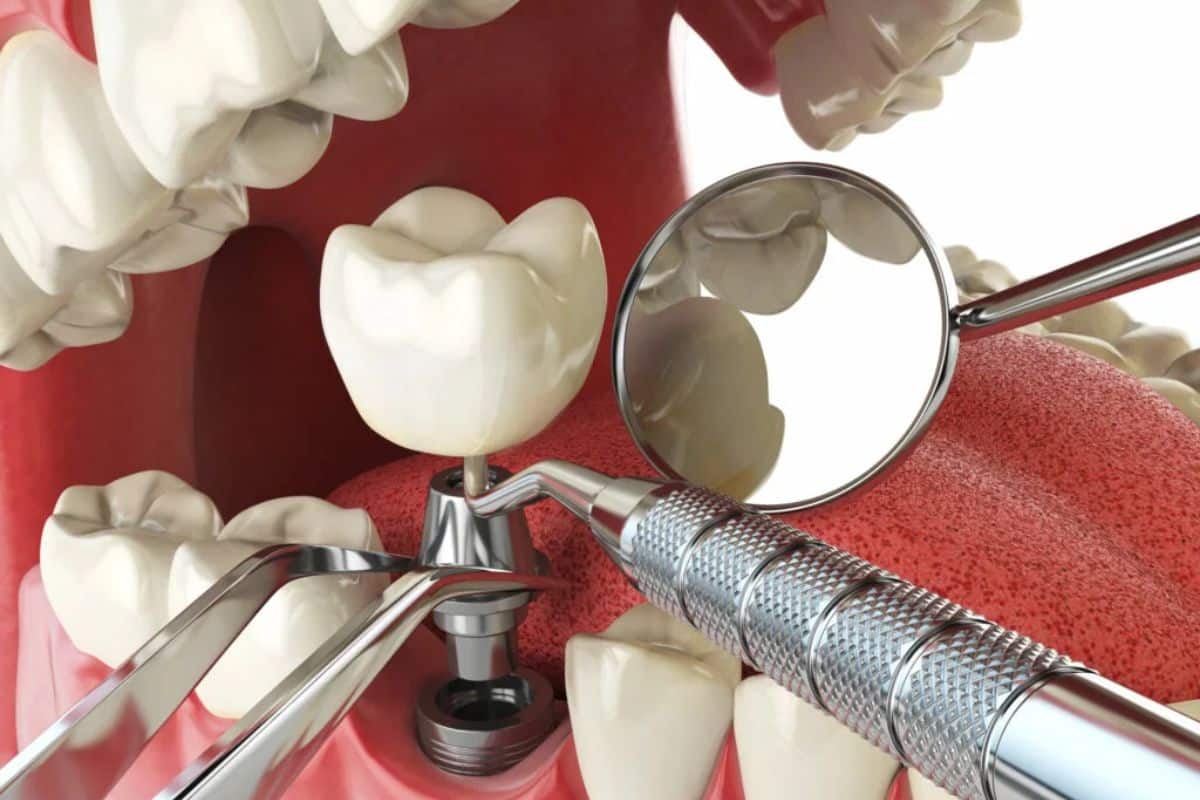
Full mouth implants involve surgically placing multiple dental implants into your jawbone to support a full set of replacement teeth. This option offers several benefits, including:
- Natural Look and Feel: Implant-supported teeth closely resemble natural teeth in appearance and function.
- Improved Oral Health: Implants stimulate bone growth, helping to maintain jawbone density and prevent further bone loss.
- Enhanced Speech and Chewing: Implants provide a stable foundation for your replacement teeth, allowing you to speak and eat with confidence.
- Long-Lasting: With proper care, dental implants can last a lifetime.
Dental Bridges
A dental bridge is a prosthetic device that replaces missing teeth with artificial teeth fused to dental crowns that are cemented onto adjacent teeth. While bridges are a more affordable option than implants, they have some limitations:
- Potential for Tooth Decay: The natural teeth used to support the bridge can be susceptible to decay and damage.
- Limited Longevity: Bridges typically last 10-15 years and may require replacement over time.
- Aesthetics: Dental Bridges may not look as natural as implants, especially in the front of the mouth.
Factors to Consider
When choosing between full mouth implants and a bridge, consider the following factors:
- Oral Health: If you have good oral health and strong natural teeth, a bridge may be a suitable option. However, if you have gum disease or other oral health issues, implants may be a better choice.
- Bone Density: Implants require sufficient bone density to support the implant. If you have significant bone loss, you may need bone grafting before implant placement.
- Budget: Implants are generally more expensive than bridges, but they can last longer and offer numerous long-term benefits.
- Lifestyle: If you have an active lifestyle and enjoy eating a variety of foods, implants may be a better option as they provide a more stable and durable solution.
Additional Considerations
Maintenance: Both implants and bridges require regular dental check-ups and professional cleanings to maintain optimal oral health.
Comfort: Implants may require a longer adjustment period than bridges, as the healing process can take several months.
Risk of Complications: Both procedures have potential risks and complications, such as infection and nerve damage.
By carefully considering these factors and consulting with a qualified dentist in Lafayette, you can make an informed decision about the best way to restore your smile.
The Bottom Line
The best option for you will depend on your individual needs and circumstances. It’s important to consult with a dentist to discuss your options and determine the most appropriate treatment plan.