By Highland Creek Family Dental | February 5, 2025
Considering a full-mouth dental implant procedure? It’s a big decision, and understandably, you want to know what lies ahead. You’re not alone! According to the American Academy of Implant Dentistry (AAID), approximately 3 million people in the U.S. have dental implants, and that number is steadily growing. This surge in popularity is likely due to the significant improvement in the quality of life that implants offer. But what does the journey entail?
This post will guide you through the recovery process, addressing common concerns and providing a realistic timeline for healing. We’ll delve into the details, using available statistics and expert opinions to give you a clear picture of what to expect after full-mouth dental implant surgery.
After Surgery (Days 1-3): Managing Discomfort and Swelling
The first few days following your full-mouth dental implant surgery will likely be the most intense in terms of discomfort. Expect some swelling, bruising, and soreness. Think of it like this: you’ve just undergone a significant procedure, and your body needs time to adjust.
A study published in the Journal of Oral and Maxillofacial Surgery found that most patients experience peak swelling around 48-72 hours post-surgery. Your surgeon will likely prescribe pain medication to manage this discomfort. Don’t hesitate to take it as directed. Applying ice packs to the affected area for 20 minutes at a time, several times a day can also help reduce swelling. Stick to a diet of soft foods like yogurt, mashed potatoes, and smoothies. Avoid anything hard, crunchy, or chewy that could irritate the surgical sites.
The First Week: Gradual Improvement
As you move through the first week, you should notice a gradual decrease in swelling and discomfort. While you might still experience some soreness, the pain should be manageable with over-the-counter pain relievers. Continue to maintain a soft food diet. Oral hygiene is crucial during this period. Gently rinse your mouth with a saltwater solution as directed by your qualified dentist in Lafayette. Avoid vigorous brushing or flossing around the implant sites. Remember, the goal is to keep the area clean without disturbing the healing process.
Weeks 2-4: Returning to Normalcy
By the second or third week, most patients report feeling significantly better. Swelling and bruising should have subsided considerably, and you may be able to gradually reintroduce more solid foods into your diet. However, it’s essential to follow your surgeon’s recommendations regarding dietary restrictions. The implants are beginning to integrate with your jawbone during this period, a process known as osseointegration. This is a critical step in the success of your implants.
Months 2-6: Osseointegration and Final Restoration
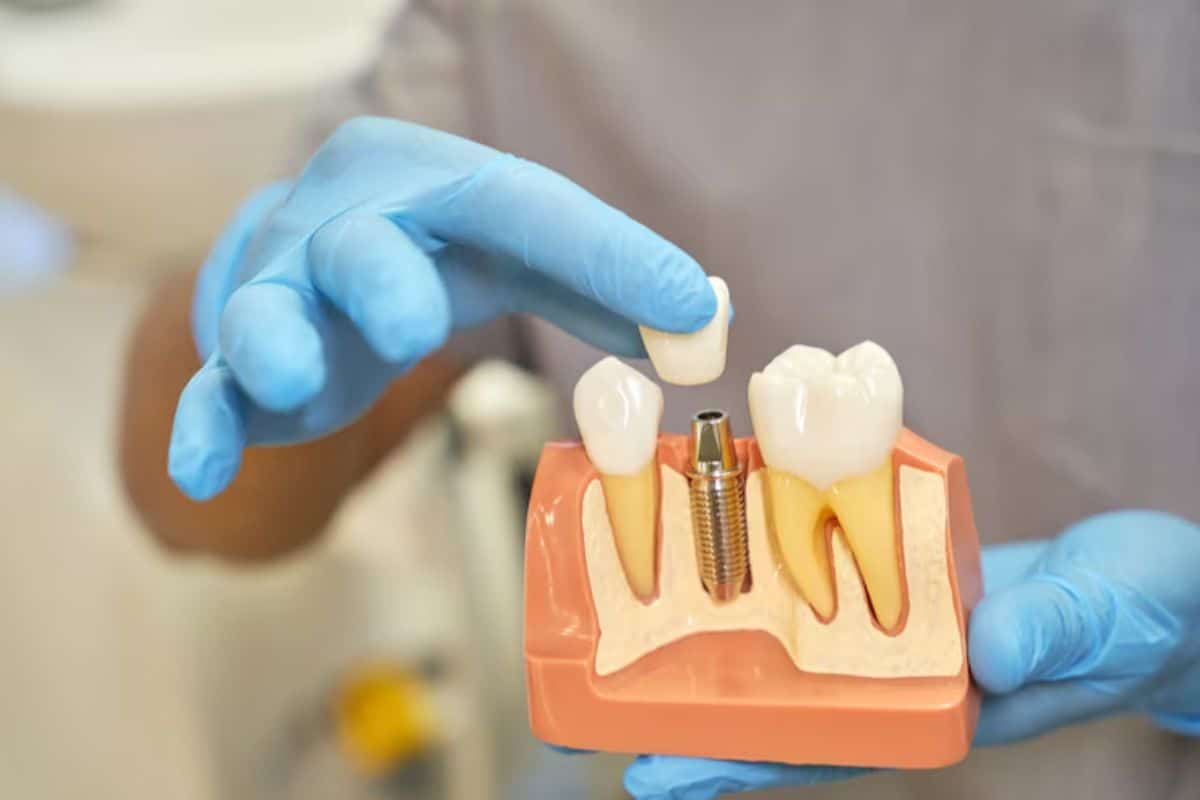
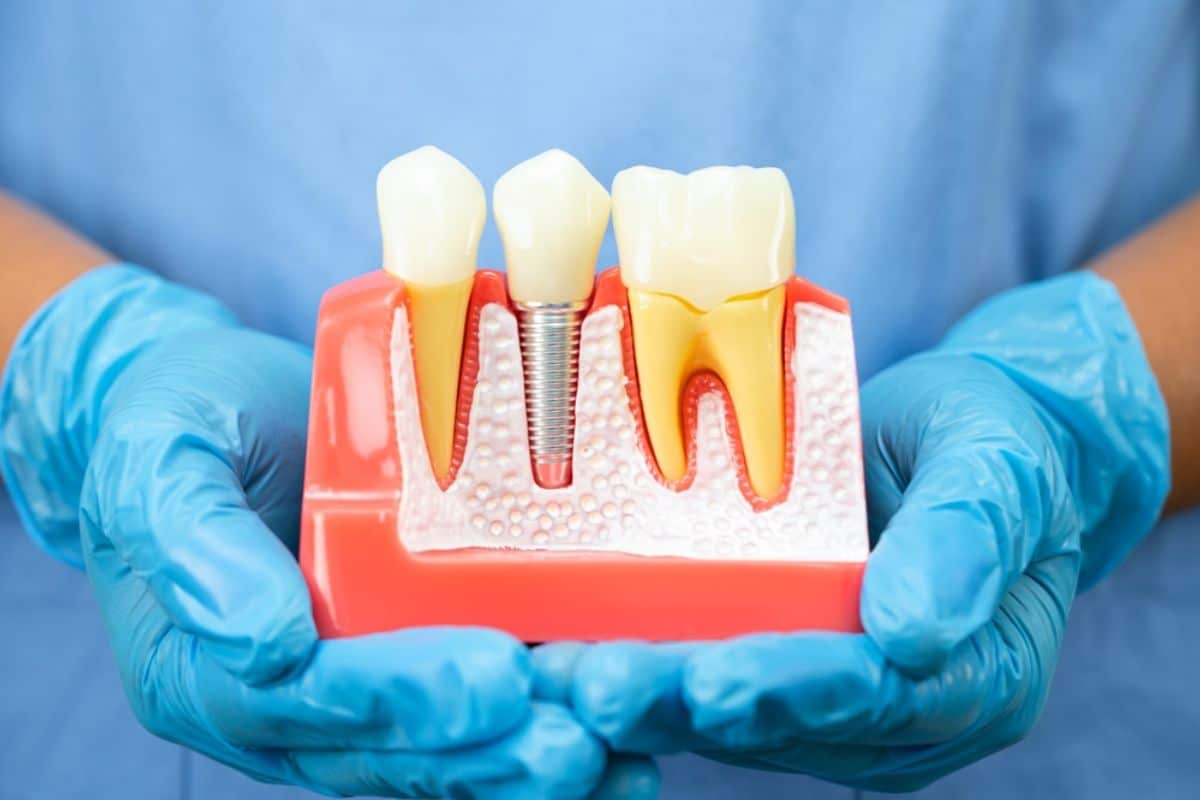
The next few months are crucial for osseointegration. This is the period where the implants fuse with your jawbone, providing a stable foundation for your new teeth. The timeline for osseointegration varies from person to person, but it typically takes several months. According to the AAID, dental implant success rates are generally very high, with studies reporting success rates of over 95% with proper care. Once your surgeon determines that osseointegration is complete, you’ll return to have your final restorations (dentures or individual crowns) placed.
Long-Term Care: Maintaining Your Investment
After your full-mouth dental implants are placed and healed, it’s important to maintain proper oral hygiene to ensure their longevity. Treat your implants like your natural teeth – brush twice a day, floss regularly, and schedule regular dental checkups. While implants are highly durable, they’re not immune to problems like gum disease. Maintaining good oral hygiene is key to preventing such issues.
Key Takeaways
- Discomfort is expected: Plan for some discomfort and swelling in the initial days after dental implant surgery in Lafayette.
- Follow your surgeon’s instructions: Adhering to post-operative care instructions is crucial for healing.
- Be patient: Osseointegration takes time.
- Maintain good oral hygiene: Regular brushing and flossing are essential for long-term success.
The Bottom Line
Full-mouth dental implants can significantly improve your quality of life, restoring your smile and your confidence. By understanding the recovery process and following your surgeon’s advice, you can ensure a successful and comfortable journey to a healthier, happier you. If you have any further questions or concerns, don’t hesitate to contact your oral surgeon. They are your best resource for personalized advice and care.