
By Highland Creek Family Dental | July 10, 2026
Gum disease is one of the most common oral health problems affecting adults in the United States. Unfortunately, many people don’t notice the warning signs until the condition has progressed and caused significant damage. Recognizing the early signs of gum disease can help you seek treatment before it affects your teeth, gums, and overall health.
If you live in Lafayette, IN, understanding these symptoms can help you protect your smile and avoid more complex dental procedures in the future.
Quick Answer
The early signs of gum disease often include red or swollen gums, bleeding during brushing or flossing, persistent bad breath, gum tenderness, and gum recession. Seeking professional dental care at the first sign of symptoms can help prevent the condition from progressing into advanced periodontal disease.
What Is Gum Disease?
Gum disease, also known as periodontal disease, is a bacterial infection that affects the tissues supporting your teeth. It typically begins as gingivitis, the mildest stage of gum disease, and can progress into periodontitis if left untreated.
Plaque buildup along the gumline is the primary cause of gum disease. Without regular brushing, flossing, and professional dental cleanings, bacteria can irritate the gums and trigger inflammation.
1. Bleeding Gums When Brushing or Flossing
One of the earliest and most noticeable warning signs is bleeding gums.
Healthy gums should not bleed during routine oral hygiene. If you regularly notice blood in the sink after brushing or flossing, it may indicate inflammation caused by bacterial buildup. Understanding how dentists help stop and heal bleeding gums can help you recognize when professional care is needed and prevent gum disease from progressing.
Common causes include:
- Plaque accumulation
- Gingivitis
- Poor oral hygiene habits
- Inconsistent dental visits
Many patients assume occasional bleeding is normal, but it should never be ignored.
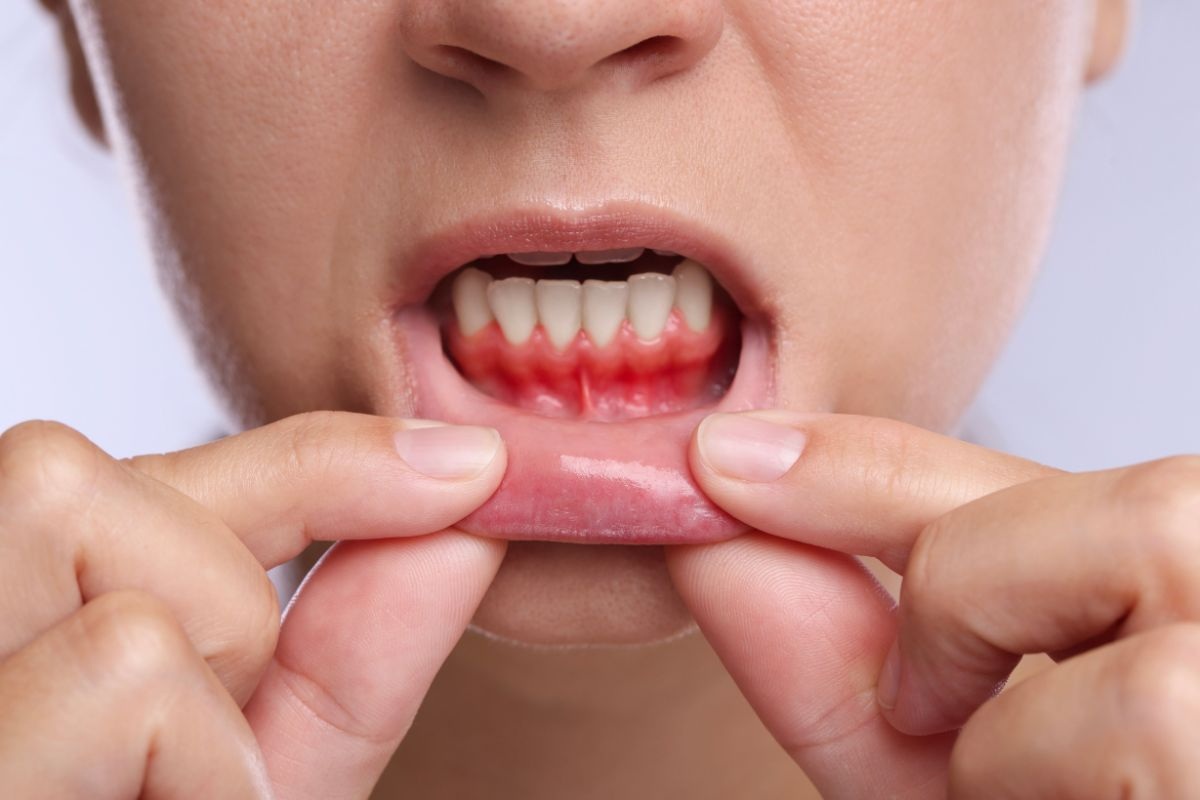
2. Red, Swollen, or Puffy Gums
Healthy gums are typically firm and pink. When gum disease begins, the gums often become:
- Bright red
- Swollen
- Tender to touch
- Puffy around the teeth
Inflammation is your body’s response to bacterial infection. Addressing the problem early can often reverse the damage before it becomes more serious.
3. Persistent Bad Breath
Chronic bad breath, also called halitosis, may be more than a social concern.
Bacteria trapped beneath the gumline release toxins and odors that brushing alone may not eliminate. If you experience bad breath that returns quickly after brushing, gum disease may be the underlying cause.
Professional periodontal evaluation can help identify the source and provide effective treatment.
4. Gum Tenderness or Sensitivity
Do your gums feel sore when you brush, floss, or eat certain foods?
Tender gums can be an early sign of infection and inflammation. While occasional sensitivity may result from aggressive brushing, ongoing discomfort should be evaluated by a dental professional.
The sooner the issue is diagnosed, the easier it is to treat.
5. Receding Gums
Gum recession occurs when the gum tissue pulls away from the teeth, exposing more of the tooth surface or even the root.
Signs of gum recession include:
- Teeth appearing longer
- Increased tooth sensitivity
- Visible root surfaces
- Small gaps near the gumline
Receding gums can increase the risk of tooth decay and tooth loss if left untreated.
6. Increased Tooth Sensitivity
Many patients are surprised to learn that sensitive teeth can be linked to gum disease.
As gums recede and tooth roots become exposed, sensitivity to:
- Hot drinks
- Cold beverages
- Sweet foods
- Cold air
may become more noticeable.
A dental examination can determine whether gum disease is contributing to your symptoms.
7. Changes in How Your Teeth Fit Together
As periodontal disease advances, it can affect the supporting structures around the teeth.
You may notice:
- Changes in your bite
- Teeth shifting slightly
- New spaces between teeth
- Difficulty chewing comfortably
These changes should never be ignored, as they may indicate underlying bone loss.
8. Loose Teeth
Adult teeth should feel stable and secure.
When gum disease progresses, the infection can damage the bone and connective tissues supporting the teeth. This may cause teeth to become loose or mobile.
Early intervention significantly improves the chances of preserving natural teeth.
9. Pus Between the Teeth and Gums
The presence of pus is a clear indication of infection.
You may notice:
- A bad taste in your mouth
- Swelling around a tooth
- Drainage near the gums
- Persistent discomfort
This symptom requires prompt dental attention to prevent further complications.
What Happens If Gum Disease Is Left Untreated?
Ignoring the early signs of gum disease can lead to serious oral health issues, including:
- Advanced periodontitis
- Bone loss
- Gum recession
- Tooth mobility
- Tooth loss
- Increased treatment costs
Research has also shown associations between periodontal disease and certain systemic health conditions, making early care even more important.
How Is Gum Disease Treated?
The appropriate treatment depends on the severity of the condition.
Professional Dental Cleaning
For early-stage gingivitis, a professional cleaning may remove plaque and tartar buildup and help restore gum health.
Scaling and Root Planing
For more advanced cases, Periodontal Treatment in Lafayette may involve scaling and root planing, a deep cleaning procedure that removes bacteria beneath the gumline.
Ongoing Periodontal Maintenance
Patients with a history of gum disease often benefit from routine periodontal maintenance visits to help prevent recurrence.
At-Home Care
Your dentist may recommend:
- Brushing twice daily
- Daily flossing
- Antibacterial mouth rinses
- Regular dental checkups
- Tobacco cessation if applicable
Consistent home care plays a vital role in long-term gum health.
Conclusion
Recognizing the early signs of gum disease can make a significant difference in protecting your smile. Symptoms such as bleeding gums, swelling, bad breath, gum recession, and tooth sensitivity should never be ignored. Early diagnosis and treatment can help prevent more serious complications and preserve your long-term oral health.
If you’re noticing any signs of gum disease, don’t wait for symptoms to worsen. Contact Highland Creek Family Dental today to schedule a comprehensive evaluation and learn about your options for Periodontal Treatment in Lafayette.
Call us today at +1 7657676722 to schedule your appointment and take the next step toward healthier gums and a healthier smile.
Want to stay updated with dental tips, office announcements, and patient experiences from the Lafayette community? Visit our Google Business Profile to explore recent updates and see what local patients are saying about their experiences with Highland Creek Family Dental.
Frequently Asked Questions
How do I know if I have early gum disease?
Common signs include bleeding gums, redness, swelling, persistent bad breath, and gum tenderness. A dental examination is the best way to confirm whether gum disease is present.
Can early gum disease be reversed?
Yes. Gingivitis, the earliest stage of gum disease, can often be reversed with professional dental cleanings and improved oral hygiene habits at home.
Is gum disease painful?
Not always. Many people experience little to no pain during the early stages, which is why routine dental visits are important for early detection.
How often should I have my gums checked?
Most patients should have their gums evaluated during routine dental checkups every six months. Patients with a history of periodontal disease may need more frequent visits.
What causes gum disease?
The primary cause is plaque buildup along the gumline. Other risk factors include smoking, diabetes, poor oral hygiene, certain medications, and genetic predisposition.
When should I seek periodontal treatment?
You should schedule an appointment if you notice bleeding gums, swelling, persistent bad breath, gum recession, loose teeth, or any other signs of gum disease.