
By Highland Creek Family Dental | August 25, 2026
A loose tooth can be alarming, especially when you cannot remember injuring it. One possible explanation is advanced gum disease. So, can gum disease cause tooth loss? Yes. When gum disease progresses into periodontitis, it can damage the gums, connective tissues, and bone that support your teeth. Over time, this loss of support can make teeth loose and, in severe cases, lead to tooth loss.
The good news is that gum disease can often be managed, particularly when it is identified before significant damage occurs. If you are noticing bleeding gums, persistent bad breath, gum recession, or loose teeth, learning about gum disease treatment in Lafayette can help you understand what evaluation and treatment may involve.
Quick Answer: Can Gum Disease Cause Tooth Loss?
Yes, advanced gum disease can cause tooth loss. Periodontitis can damage the tissues and bone that hold teeth securely in place. As this support is lost, teeth may become loose, shift position, become painful when chewing, and eventually require removal. Early evaluation and appropriate treatment can help control the infection and protect the remaining supporting structures.
How Does Gum Disease Lead to Tooth Loss?
Gum disease usually develops gradually rather than causing a tooth to suddenly fall out.
It often begins when plaque a sticky film containing bacteria builds up around the teeth. If plaque is not removed regularly, it can harden into tartar, also called calculus. Tartar cannot be removed effectively with ordinary brushing and flossing and requires professional cleaning.
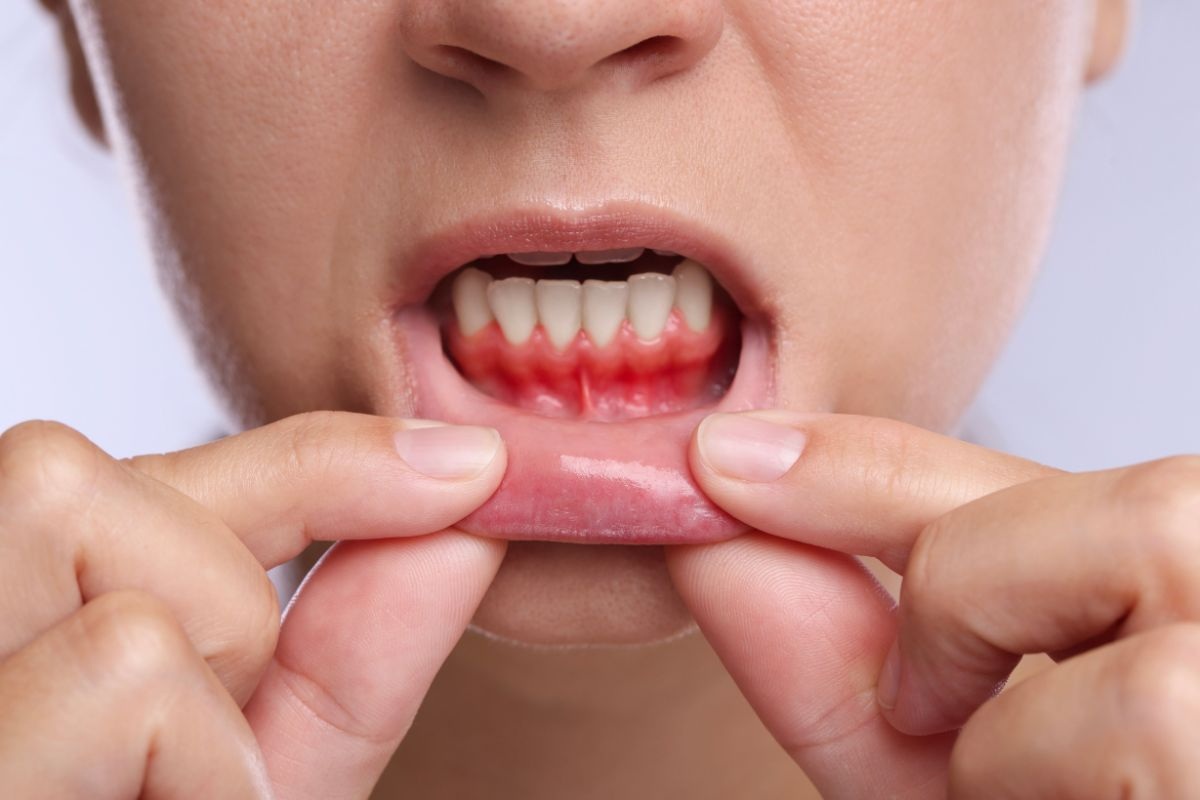
The earliest stage is called gingivitis. Gums may become red, swollen, tender, or bleed during brushing or flossing. At this point, the condition has not yet caused the deeper destruction associated with periodontitis.
Without appropriate care, gum disease can progress. The gums may pull away from the teeth, creating spaces called periodontal pockets. Bacteria and inflammation can then affect the tissues and bone supporting the teeth.
As supporting bone and tissue are damaged, teeth can lose their stability. In advanced cases, a tooth may become sufficiently loose that it cannot be maintained.
What Happens to the Bone Around Your Teeth?
Your teeth are not held in place by the gums alone. They are supported by a combination of gum tissue, connective tissues, and jawbone.
Periodontitis can cause inflammation that damages these supporting structures. NIDCR notes that advanced gum disease can destroy the bone supporting the teeth, potentially causing teeth to loosen or shift. X-rays may help a dental professional identify bone loss associated with periodontal disease.
This is one reason gum disease should not be dismissed simply because the discomfort is mild. Significant periodontal problems may develop before a person experiences obvious pain.
Signs Gum Disease May Be Affecting Your Teeth
Recognizing the early signs of gum disease can make it easier to seek appropriate care before the condition progresses and begins affecting the tissues and bone that support your teeth.
Common signs include:
- Red, swollen, or tender gums
- Gums that bleed easily
- Persistent bad breath
- Gum recession
- Teeth that feel loose
- Teeth that shift or change position
- Discomfort when chewing
- Increased tooth sensitivity
- Changes in the way your teeth fit together
NIDCR specifically lists bleeding or swollen gums, gum recession, loose or sensitive teeth, pain while chewing, and persistent bad breath among possible symptoms of periodontal disease.
Not everyone with gum disease will experience every symptom. That is why routine dental examinations remain important even when your mouth feels normal.
Can Gum Disease Cause Tooth Loss Even Without Pain?
Yes. Gum disease does not always cause significant pain, particularly in its earlier stages.
A person may notice bleeding when brushing or flossing, but otherwise feel fine. Over time, however, inflammation can continue affecting the tissues surrounding the teeth.
This is one reason a loose tooth in an adult should not simply be ignored. Adult teeth are not supposed to become loose under normal circumstances. A dental examination can help determine whether periodontal disease, an injury, tooth decay, or another issue is responsible.
Who Is More at Risk for Advanced Gum Disease?
Gum disease can affect many people, but certain factors can increase risk.
Tobacco use is an important risk factor for periodontitis. Diabetes is another factor associated with periodontal disease, and people with diabetes may also experience slower healing. Genetics, age, certain medical conditions, medications, and oral hygiene habits can also influence risk.
That does not mean someone with a risk factor will automatically develop severe gum disease. It does mean that paying attention to gum health and maintaining regular dental care can be particularly important.
How Is Gum Disease Treated?
Treatment depends on how advanced the disease is and the condition of your gums and supporting structures.
A dental professional may evaluate your gums for inflammation, bleeding, recession, and periodontal pockets. X-rays may also be used to check for bone loss.
For periodontal disease, treatment may include professional cleaning, scaling and root planing (a type of deep cleaning), improved home-care techniques, and other treatments depending on the individual situation. More advanced cases may require additional procedures or referral to a periodontist.
The goal is to control the infection and help preserve the tissues supporting your teeth.
Can You Prevent Tooth Loss From Gum Disease?
There are several practical steps you can take to protect your gums and teeth:
Brush Twice a Day
Brush your teeth twice daily using fluoride toothpaste. Pay attention to the gumline and use gentle movements rather than aggressive scrubbing.
Clean Between Your Teeth
Floss or use another interdental cleaning method recommended by your dental professional. Cleaning between teeth helps remove plaque from areas a toothbrush may not reach.
Keep Regular Dental Visits
Professional examinations and cleanings can help identify gum problems before they become more advanced.
Avoid Tobacco
Smoking and other tobacco use can increase the risk of periodontal disease and interfere with healing. Quitting tobacco can support better oral health.
Pay Attention to Changes
Bleeding gums, persistent bad breath, recession, or a loose tooth should not be considered normal. Bring these changes to your dentist’s attention.
What Should You Do If You Have a Loose Tooth?
If an adult tooth feels loose, schedule a dental evaluation rather than waiting to see whether it improves on its own.
A dentist can examine the tooth, surrounding gums, and supporting structures to determine what may be causing the problem. If gum disease is involved, identifying it early may allow treatment to focus on controlling the disease and protecting the structures that support your teeth.
Remember, a loose tooth does not automatically mean that you will lose it. The cause and severity matter, so professional evaluation is important.
Frequently Asked Questions
Can gum disease make your teeth loose?
Yes. Advanced periodontal disease can damage the bone and tissues supporting the teeth. As support decreases, teeth may become loose or shift.
Can a loose tooth from gum disease be saved?
Sometimes. Whether a tooth can be maintained depends on factors such as the extent of periodontal damage, bone support, tooth condition, and response to treatment. A dental examination is needed to determine the appropriate approach.
How quickly can gum disease cause tooth loss?
There is no single timeline. Periodontal disease can develop and progress differently from one person to another. NIDCR notes that severe periodontitis can develop over time and eventually cause loosening and tooth loss when supporting tissues are destroyed.
Does bleeding when brushing always mean gum disease?
Bleeding gums can be a sign of gum disease, although other factors can contribute to gum bleeding. If your gums regularly bleed when brushing or flossing, it is worth discussing the symptom with a dental professional.
How can I lower my risk of tooth loss from gum disease?
Maintain daily brushing and interdental cleaning, attend regular dental appointments, avoid tobacco, and seek evaluation when you notice changes such as bleeding, recession, persistent bad breath, or loose teeth.
Conclusion
So, can gum disease cause tooth loss? It can particularly when periodontal disease progresses and damages the bone and tissues supporting the teeth. However, recognizing warning signs and getting professional care can make a meaningful difference in protecting your oral health.
If you live in Lafayette, IN, and are concerned about bleeding gums, gum recession, persistent bad breath, or a loose tooth, consider scheduling an evaluation with Highland Creek Family Dental. A dental professional can assess your gum health and explain treatment options based on your individual needs.
You can also see what patients are saying on Google when researching a dental office in the Lafayette area.