By Highland Creek Family Dental | November 20, 2026
Hearing that you may need a root canal can make you nervous, especially if you have heard stories about how painful the procedure can be. However, modern dental techniques and local anesthesia have made root canal treatment much more comfortable than many people expect. In fact, the procedure is intended to address the source of dental pain rather than create additional discomfort.
At Highland Creek Family Dental, patients looking for root canal therapy in Lafayette can receive an evaluation and learn about their treatment options. Understanding what happens before, during, and after the procedure can help you feel more prepared and confident about your dental care.
Quick Answer: Does a Root Canal Hurt?
A root canal generally should not be painful during the procedure because the dentist uses local anesthesia to numb the affected tooth and surrounding area. You may experience pressure or vibration, but sharp pain should not be expected. Mild soreness or tenderness can occur afterward as the surrounding tissues recover.
Why Do People Think Root Canals Are Painful?
Root canals have developed a reputation for being painful, but much of this fear comes from outdated experiences and misconceptions.
Years ago, dental procedures were not as advanced as they are today. Modern anesthetics, diagnostic tools, and treatment techniques help dentists manage discomfort more effectively.
Another reason people associate root canals with pain is that the tooth often hurts before treatment begins.
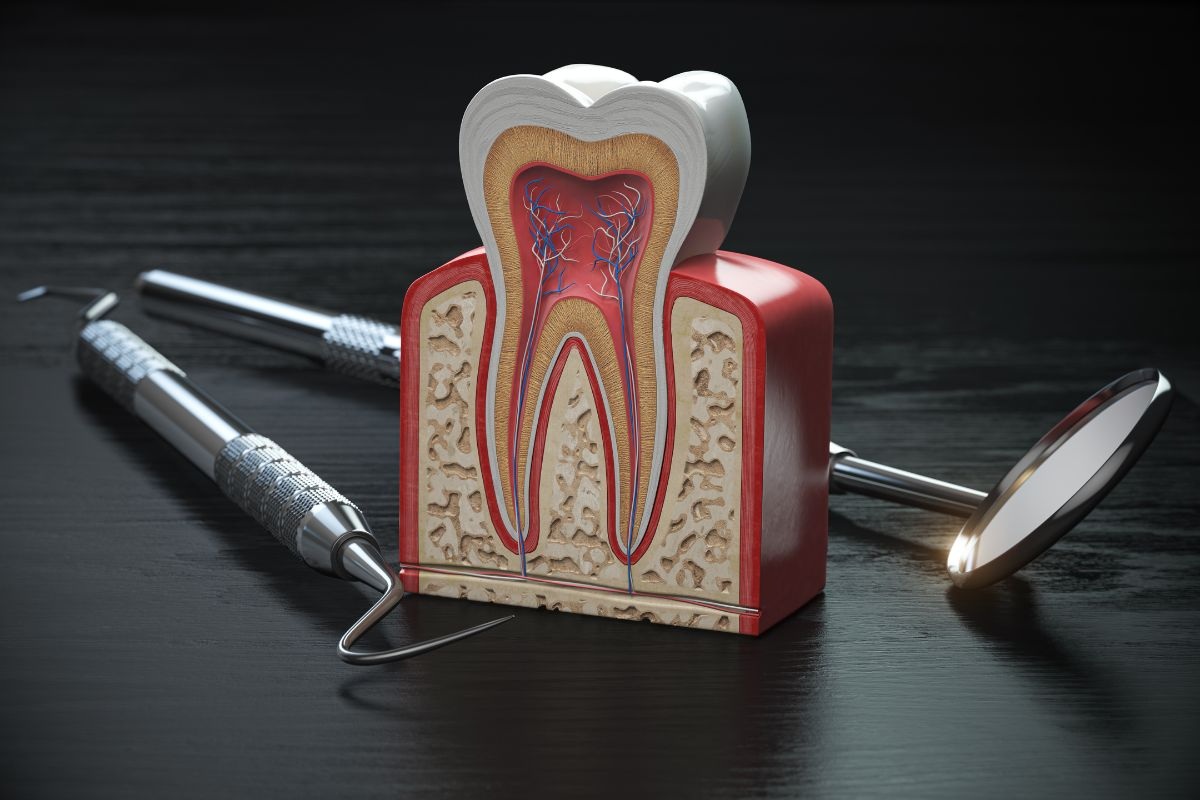
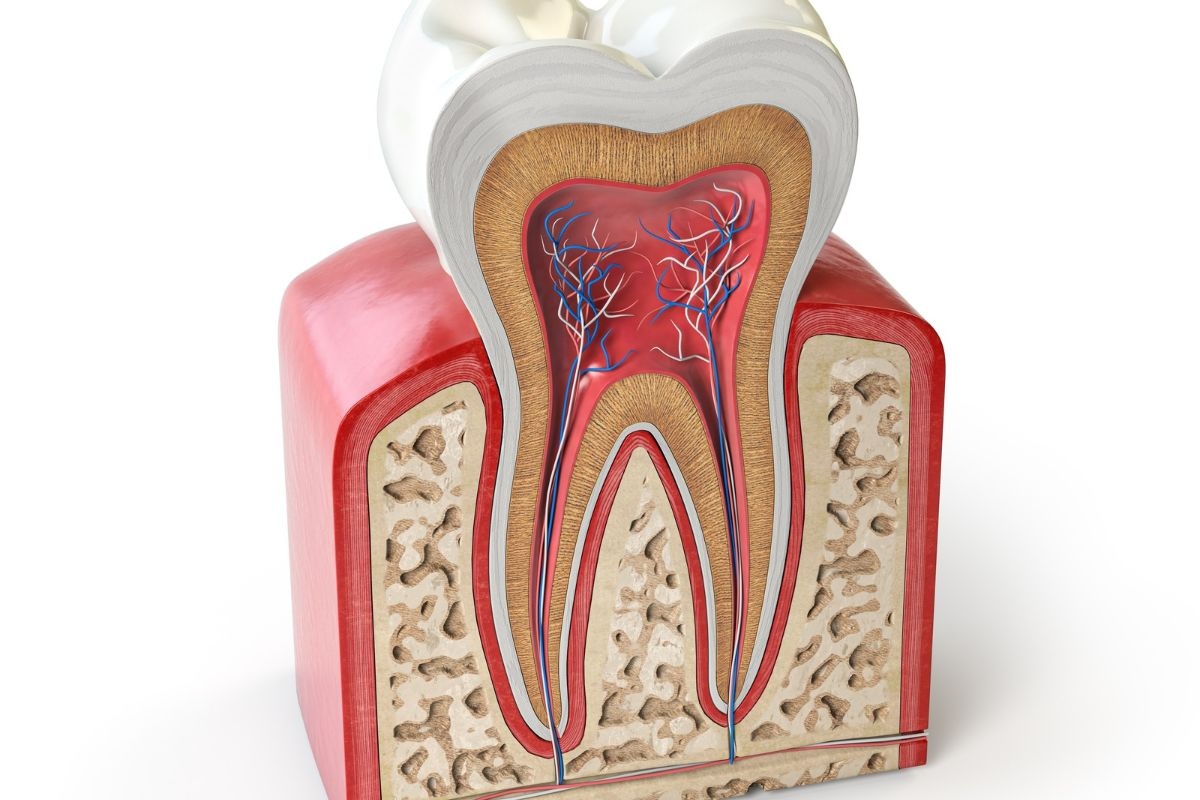
When the pulp, the soft tissue inside a tooth containing nerves and blood vessels, becomes infected or inflamed, it can cause significant discomfort. A root canal removes the affected pulp, cleans the inside of the tooth, and seals it to help preserve the natural tooth.
In many cases, the underlying dental problem is responsible for the pain patients experience before treatment.
What Happens During a Root Canal Procedure?
Knowing what to expect can make the experience less intimidating. Although every patient’s situation is different, a typical root canal involves several steps.
1. Examination and Preparation
Your dentist first examines the affected tooth to understand the extent of the damage or infection. Dental X-rays may be taken to evaluate the tooth roots and surrounding structures.
Once the dentist determines that root canal treatment is appropriate, they explain the procedure and prepare the treatment area.
2. Numbing the Tooth
Local anesthesia is administered to numb the affected tooth and surrounding tissues.
You may feel a brief pinch or pressure during the injection. After the anesthetic takes effect, the tooth should be sufficiently numb for treatment.
If you feel uncomfortable or experience pain at any point, let your dentist know. Additional anesthetic or adjustments may be needed before continuing.
3. Removing the Infected Pulp
The dentist creates a small opening in the tooth to access the pulp chamber and root canals.
The damaged or infected pulp is carefully removed. This step addresses the tissue responsible for the infection or inflammation.
4. Cleaning and Sealing the Tooth
After removing the affected tissue, the dentist cleans and disinfects the inside of the tooth. The root canals are then filled with a specialized material and sealed to help prevent bacteria from entering again.
5. Restoring the Tooth
Depending on the tooth’s condition, a permanent restoration, often a dental crown, may be recommended.
A crown helps protect a weakened tooth and restore its strength and function. Your dentist will explain which restoration is appropriate for your situation.
Does a Root Canal Hurt After the Procedure?
Some tenderness after a root canal is normal. Although the infected pulp has been removed, the tissues surrounding the treated tooth may remain sensitive for a short time.
You might experience:
- Mild soreness around the treated tooth
- Tenderness when biting or chewing
- Slight sensitivity in the surrounding gums
- Temporary discomfort when pressure is applied
These symptoms generally improve as the area heals.
Your dentist may recommend appropriate pain-relief medication based on your medical history and individual needs. Follow the recommended instructions and avoid placing unnecessary pressure on the treated tooth until your dentist advises that it is safe.
If pain becomes severe, increases instead of improving, or is accompanied by swelling or fever, contact your dental office promptly.
How Can You Make a Root Canal More Comfortable?
If you feel nervous about dental treatment, a few simple steps can help make your experience easier.
1. Share your concerns beforehand. Tell your dentist if you have dental anxiety or previous uncomfortable experiences. This allows the dental team to understand your concerns and discuss ways to support your comfort.
2. Ask questions about the procedure. Knowing what will happen at each stage can reduce uncertainty. Ask about anesthesia, treatment time, and recovery expectations.
3. Communicate during treatment. Let your dentist know if you experience discomfort. You should not feel that you have to tolerate pain silently.
4. Follow aftercare instructions. Proper care after treatment can help protect the tooth and support recovery.
5. Avoid chewing on the treated tooth until advised. If the tooth has a temporary restoration or still needs a permanent crown, follow your dentist’s recommendations about eating and chewing.
What Happens If You Delay a Needed Root Canal?
Ignoring a tooth infection or delaying recommended treatment may allow the problem to worsen.
Depending on the underlying condition, untreated infection can spread into surrounding tissues and potentially lead to an abscess or other complications. In some situations, extensive damage may make saving the natural tooth more difficult.
Watch for symptoms such as:
- Persistent or throbbing tooth pain
- Lingering sensitivity to hot or cold
- Pain when biting or chewing
- Swollen or tender gums
- A small pimple-like bump near the affected tooth
If you are experiencing these symptoms, reading about the signs you need root canal treatment can help you understand why a dental evaluation may be necessary.
Remember that these symptoms do not automatically mean you need a root canal. Cavities, cracked teeth, and other dental conditions can cause similar discomfort. A professional examination is necessary to identify the cause.
When Should You Contact a Dentist?
You should schedule a dental evaluation if tooth pain persists, returns repeatedly, or interferes with eating and sleeping.
Do not wait for severe pain before seeking care. Early evaluation can help your dentist identify the underlying problem and discuss appropriate treatment.
If you experience significant facial swelling, fever, or rapidly worsening symptoms, seek prompt medical or dental attention. Difficulty breathing or swallowing requires emergency medical care.
For patients in Lafayette, Highland Creek Family Dental offers root canal evaluations and treatment options designed to address problems affecting the inner portion of a tooth.
Frequently Asked Questions
1. Is a root canal more painful than getting a filling?
Generally, no. With appropriate local anesthesia, root canal treatment should be comfortable during the procedure. You may experience pressure or vibration, but the treatment is not necessarily more painful than receiving a dental filling.
2. How long does pain last after a root canal?
Some patients experience mild tenderness for several days after treatment. Recovery varies depending on the condition of the tooth and surrounding tissues. Contact your dentist if discomfort worsens or does not improve as expected.
3. Can a root canal be performed without anesthesia?
Local anesthesia is commonly used to numb the affected area and help patients remain comfortable. Your dentist will determine the appropriate anesthesia based on your treatment needs.
4. Can I eat normally after a root canal?
You may need to avoid eating until the numbness wears off to prevent accidentally biting your cheek or tongue. Avoid hard or crunchy foods that could damage a temporarily restored tooth. Follow your dentist’s specific eating instructions.
5. Is it better to extract a tooth instead of getting a root canal?
Not necessarily. When a tooth can be saved, root canal treatment may help preserve your natural tooth. Extraction may be considered when the tooth is too damaged to restore. Your dentist can explain the benefits and limitations of each option.
Conclusion: Get Comfortable, Informed Dental Care in Lafayette
So, does a root canal hurt? For most patients, the procedure is much more comfortable than its reputation suggests. Local anesthesia helps control discomfort during treatment, while mild tenderness afterward is generally temporary.
The most important step is not to ignore persistent tooth pain or other signs of infection. Getting an accurate diagnosis and addressing dental problems promptly can help protect your oral health.
If you are experiencing tooth pain or have been advised that you may need a root canal, contact Highland Creek Family Dental in Lafayette, IN, to discuss your concerns and schedule an evaluation.
You can also read patient reviews and find Highland Creek Family Dental on Google to explore the practice’s Google listing and get directions to our Lafayette office.