
By Highland Creek Family Dental | September 7, 2026
Getting a dental crown can be a relief, especially when a damaged, weakened, or heavily restored tooth has been treated. But once you leave the dental office, you may have a very practical question: What can I eat now?
In most cases, you can return to a normal diet once your dentist says the crown is ready for regular use. However, what you eat immediately after treatment can make the adjustment period more comfortable and help you avoid putting unnecessary stress on the tooth.
If you’re considering treatment or have questions about dental crowns in Lafayette, Highland Creek Family Dental can evaluate your tooth and discuss whether a crown is appropriate for your situation. Dental crowns are commonly used to restore teeth that are significantly damaged or decayed and can also help strengthen fractured or weakened teeth.
Quick Answer:
After getting a dental crown, choose soft, easy-to-chew foods while your mouth is numb or while your tooth is getting used to the restoration. Good choices include yogurt, eggs, oatmeal, pasta, mashed potatoes, soup that is not too hot, cooked vegetables, soft fruit, and tender meats. Avoid very hard, sticky, chewy, or extremely hot foods until your dentist says they are safe.
Why Does Eating Matter After a Dental Crown?
Your eating instructions can depend on whether you received a temporary crown or permanent crown, what material was used, and how the tooth was treated.
One of the most important things to remember is that your mouth may remain numb for several hours after the procedure. Eating before the feeling returns can make it easier to accidentally bite your cheek, tongue, or lip.
Your dentist may also give you specific instructions based on your restoration. Those instructions should take priority over general advice you find online.
Highland Creek Family Dental describes crowns as restorations designed to cover and protect damaged teeth while restoring their shape, size, and function. Crowns may also be used after root canal treatment, to strengthen fractured teeth, or to support other restorations.
Best Foods to Eat After Getting a Dental Crown
If you’re searching for what to eat after dental crown treatment, start with foods that require minimal chewing.
1. Yogurt
Plain or flavored yogurt is soft and requires virtually no chewing. It can be a convenient choice immediately after treatment, particularly while your mouth is still sensitive.
2. Eggs
Scrambled, soft-boiled, or poached eggs are easy to eat and provide protein without requiring significant chewing.
3. Oatmeal
Oatmeal can be filling and gentle on a recently treated tooth. Let it cool to a comfortable temperature before eating.
4. Mashed Potatoes
Mashed potatoes are soft and easy to chew. You can pair them with other tender foods for a more substantial meal.
5. Pasta
Soft pasta with a mild sauce can be an easy option after crown treatment. Avoid very crunchy toppings or ingredients that require heavy chewing.
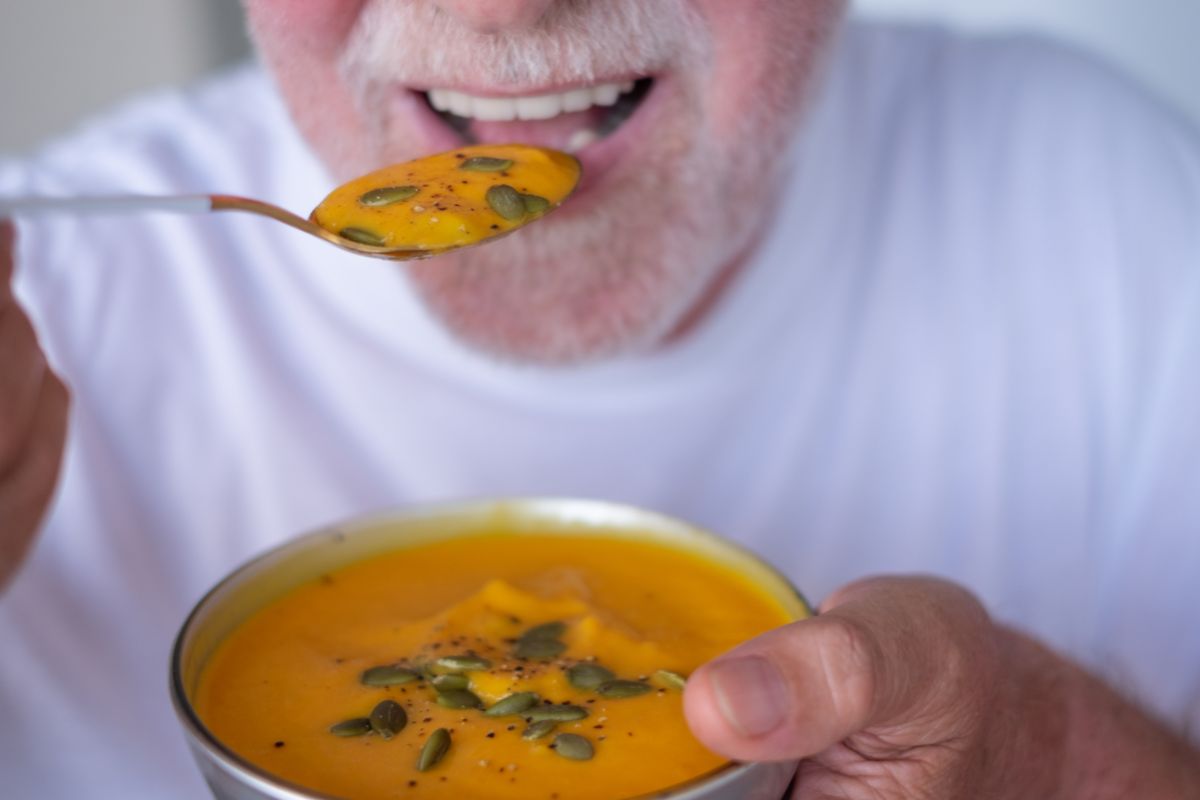
6. Soup
Soup can work well as long as it isn’t extremely hot. If your tooth or gums feel sensitive, allow the soup to cool before eating.
7. Soft Fruits
Bananas, ripe peaches, applesauce, and other soft fruits are generally easier to eat than firm, crunchy fruits.
8. Tender Meat or Fish
When you’re ready for something more substantial, tender chicken, fish, or other soft proteins may be appropriate. Cut food into smaller pieces and chew carefully.
Foods to Avoid After a Dental Crown
Knowing what not to eat can be just as helpful as knowing what you can eat.
Hard Foods
For the immediate period following crown placement, avoid foods that require substantial biting force, such as:
- Hard candies
- Ice
- Nuts
- Popcorn kernels
- Very hard crackers
- Hard pretzels
These foods can place significant force on teeth and dental restorations.
Sticky Foods
Sticky foods can be especially problematic when a temporary crown is involved. Caramel, taffy, chewing gum, and similarly sticky foods may pull on a temporary restoration.
Very Chewy Foods
Tough meat, chewy candy, and foods that require prolonged chewing may be uncomfortable while your tooth is adjusting.
Extremely Hot or Cold Foods
Some patients experience temporary sensitivity following dental treatment. If hot coffee, ice cream, or very cold drinks make the tooth uncomfortable, choose moderate temperatures until the sensitivity settles.
Sugary Foods and Drinks
You don’t necessarily need to eliminate sugar completely, but frequent exposure to sugary foods and beverages can contribute to tooth decay around natural tooth structure. Good oral hygiene remains important even after a crown is placed.
How Long After a Crown Can You Eat?
The answer depends on the type of crown and the instructions provided by your dentist.
If you received local anesthesia, wait until the numbness has worn off before eating foods that require chewing. This reduces the chance of biting your cheek, tongue, or lip.
If you received a temporary crown, your dentist may recommend avoiding certain foods or chewing on that side because the temporary restoration is intended to protect the tooth until the permanent crown is placed.
Once a permanent crown has been properly placed and your dentist has confirmed that it is ready for normal function, you can generally return to your usual diet.
If you’re unsure, ask your dental team before eating anything particularly hard or sticky.
Can You Eat Normally With a Permanent Crown?
Yes. A properly fitted permanent crown is designed to restore normal tooth function.
That doesn’t mean a crowned tooth should be treated like a tool, though. Biting down on ice, opening packages with your teeth, or regularly chewing extremely hard objects can put unnecessary stress on both natural teeth and dental restorations.
Good habits matter. Brush twice daily, clean between your teeth as recommended, and maintain regular dental visits.
Highland Creek Family Dental provides comprehensive general and restorative dental care in Lafayette, including dental crowns, bridges, fillings, root canal therapy, and other treatments.
What If Your Crown Feels Sensitive When You Eat?
Some sensitivity following dental treatment can occur, but persistent, severe, or worsening discomfort should not simply be ignored.
Pay attention to what triggers the discomfort.
For example, does the tooth hurt when you:
- Bite down?
- Eat something cold?
- Eat something hot?
- Chew something firm?
- Release your bite?
If sensitivity or pain continues or becomes concerning, contact your dentist. Your dentist can determine whether the tooth and crown need further evaluation.
Don’t attempt to diagnose the cause yourself based solely on symptoms.
What If Your Temporary Crown Comes Loose?
A temporary crown requires special attention because it is not intended to function exactly like a permanent restoration.
If your temporary crown becomes loose or comes off, contact your dental office for instructions. Avoid chewing hard or sticky foods on that side until you’ve spoken with your dental team.
Don’t try to permanently glue a crown back onto your tooth using household adhesive. Your dentist needs to determine why the restoration became loose and how it should be managed.
Can a Crown Protect a Cracked Tooth?
In some situations, a dental crown for a cracked tooth may be recommended to protect and restore a tooth that has been weakened or fractured. Highland Creek Family Dental notes that crowns can be used to strengthen a tooth that is fractured or weak. Highland Creek Family Dental notes that crowns can be used to strengthen a tooth that is fractured or weak.
However, not every cracked tooth is treated the same way. The location and extent of the crack, the condition of the remaining tooth structure, and whether the tooth’s inner tissues are affected all matter.
That’s why an evaluation is important before deciding what treatment is appropriate.
Tips for Taking Care of Your Crown
Once you’re cleared to eat normally, caring for a crowned tooth is fairly straightforward.
Keep brushing and flossing
A crown doesn’t make the surrounding gum tissue or neighboring teeth immune to plaque and decay.
Don’t use your teeth as tools
Avoid opening packages, biting pens, or breaking hard objects with your teeth.
Be cautious with very hard foods
Even though a permanent crown is designed for normal chewing, routinely exposing it to excessive force isn’t a good habit.
Keep your regular dental appointments
Routine examinations allow your dentist to monitor the crown, surrounding tooth, gums, and the rest of your mouth.
Contact your dentist if something feels wrong
A crown that feels loose, causes persistent pain, or interferes with your bite deserves professional attention.
FAQs
What is the best food to eat after getting a dental crown?
Soft foods such as yogurt, scrambled eggs, oatmeal, mashed potatoes, pasta, applesauce, and soft cooked vegetables are convenient choices immediately after treatment. Choose foods that don’t require much chewing, especially while your mouth is numb.
Can I eat immediately after getting a dental crown?
It depends on your treatment and your dentist’s instructions. If your mouth is numb from local anesthesia, wait until sensation returns before chewing to avoid accidentally biting your cheek or tongue.
Can I eat hard foods with a permanent crown?
A permanent crown is designed to handle normal chewing, but it’s still wise to avoid excessively hard foods and habits such as chewing ice or hard objects. Your dentist can give you specific advice based on your crown and tooth.
How long should I avoid sticky foods after a crown?
If you have a temporary crown, your dentist may recommend avoiding sticky foods because they can place stress on the temporary restoration. Follow the specific instructions provided by your dental office.
What should I do if my crown hurts when I chew?
If chewing consistently causes pain or your bite feels unusually high or uncomfortable, contact your dentist for an evaluation. Persistent discomfort shouldn’t be ignored because several different issues can cause pain after crown treatment.
What can you eat after getting a dental crown?
After getting a dental crown, choose soft foods such as yogurt, eggs, oatmeal, mashed potatoes, pasta, soup, soft fruit, and tender meats. Avoid hard, sticky, and very chewy foods while your mouth is numb or while you have a temporary crown, and follow your dentist’s specific aftercare instructions.
When Should You Contact a Dentist?
A little caution after crown treatment is normal, but don’t ignore significant or persistent symptoms.
Contact your dental office if your crown:
- Feels loose
- Falls out
- Causes persistent pain
- Makes your bite feel uneven
- Remains unusually sensitive
- Causes significant discomfort when chewing
Highland Creek Family Dental serves patients throughout Lafayette and surrounding communities, with East and South Lafayette locations. The practice provides comprehensive dental care for children, adults, and seniors.
If you’re considering a crown or have questions about an existing restoration, you can schedule an evaluation with the dental team to discuss your options. You can also see what patients are saying on Google when researching a dental office in the Lafayette area.
Conclusion
Knowing what to eat after a dental crown can make the first few hours and days after treatment much easier. Start with softer foods, avoid hard and sticky options when your dentist recommends it, and give yourself time to adjust to the new restoration.
Most importantly, follow the personalized instructions provided by your dental team. Every tooth and restoration is different, so your dentist is in the best position to tell you when you can safely return to your normal diet.
For patients in Lafayette, IN, Highland Creek Family Dental offers restorative care designed around each patient’s individual needs. If you’re dealing with a damaged, weakened, or extensively restored tooth, a consultation can help you understand whether a dental crown may be appropriate.