By Highland Creek Family Dental | July 14, 2025
If you’re considering dental implants, one of the most common questions is: How long does the recovery take? While every patient heals differently, the average recovery timeline ranges from a few days to several months, depending on your oral health, bone structure, and the number of implants placed. At Highland Creek Family Dental in Lafayette, we believe understanding the healing process helps our patients feel more confident and prepared.
Here’s a detailed look at what you can expect after dental implant surgery from the first day to the final restoration.
Immediate Recovery: The First 48 Hours
Right after dental implants placement, most patients experience mild discomfort, swelling, or bruising near the surgical site. This is completely normal and usually peaks within the first 24-48 hours. You’ll be advised to:
- Rest and avoid strenuous activity
- Apply cold compresses to manage swelling
- Stick to a soft food diet
- Avoid smoking or using straws, as these may disturb healing
Most people in Lafayette return to work within a day or two, depending on how extensive their procedure was. Pain is generally well-managed with over-the-counter medication unless a more complex surgery was performed.
Short-Term Healing: 1 to 2 Weeks
Over the first couple of weeks, soft tissues around the implant begin to heal. Stitches (if used) typically dissolve or are removed by your dentist during this period. During this time:
- Avoid hard or chewy foods
- Maintain good oral hygiene using gentle rinses and soft brushing
- Attend any scheduled follow-up visits
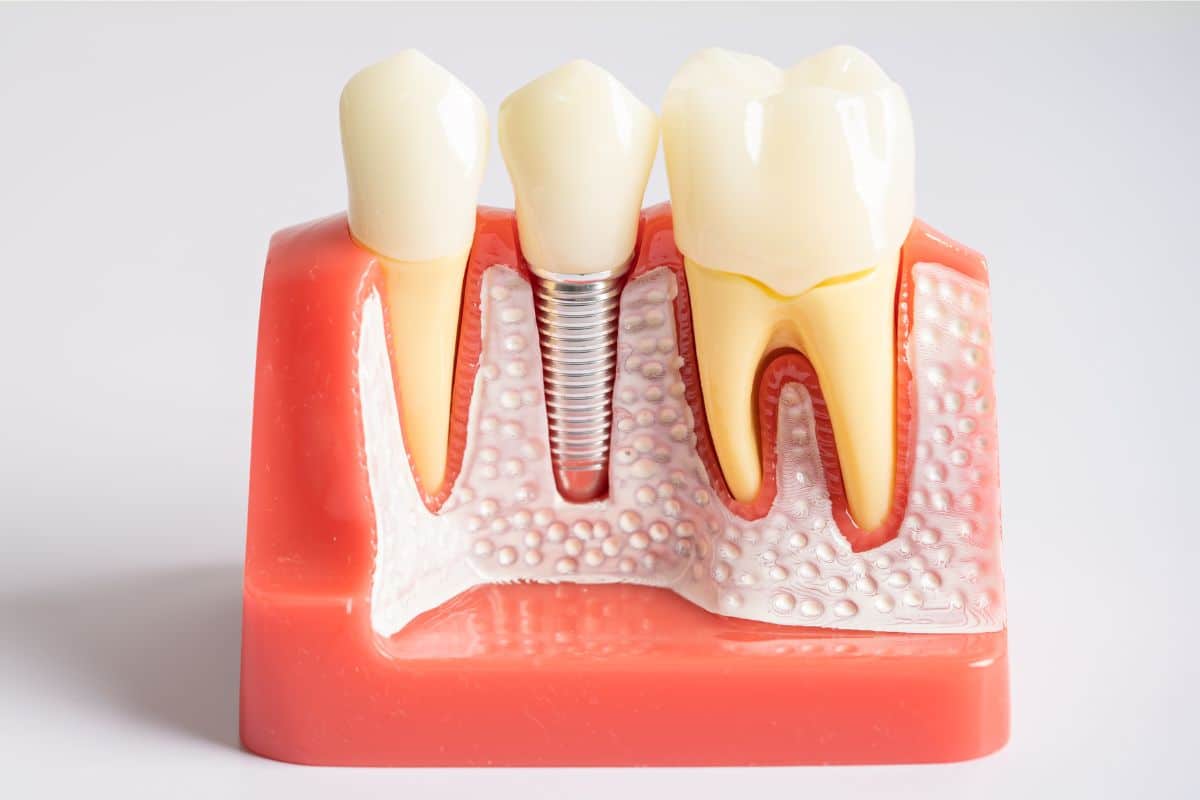
This phase of recovery is crucial to prevent infection and ensure your gums heal properly around the titanium post.
Osseointegration: 3 to 6 Months
The longer part of the recovery timeline involves a biological process called osseointegration—when your jawbone fuses with the implant post. This stage can take anywhere from three to six months, depending on your bone health and whether any bone grafting was performed.
Although you won’t feel much happening, this step is vital for long-term implant stability. During this time, you’ll continue your normal daily routine, and your dentist will monitor the implant site during periodic check-ins.
When Is the Crown Placed?
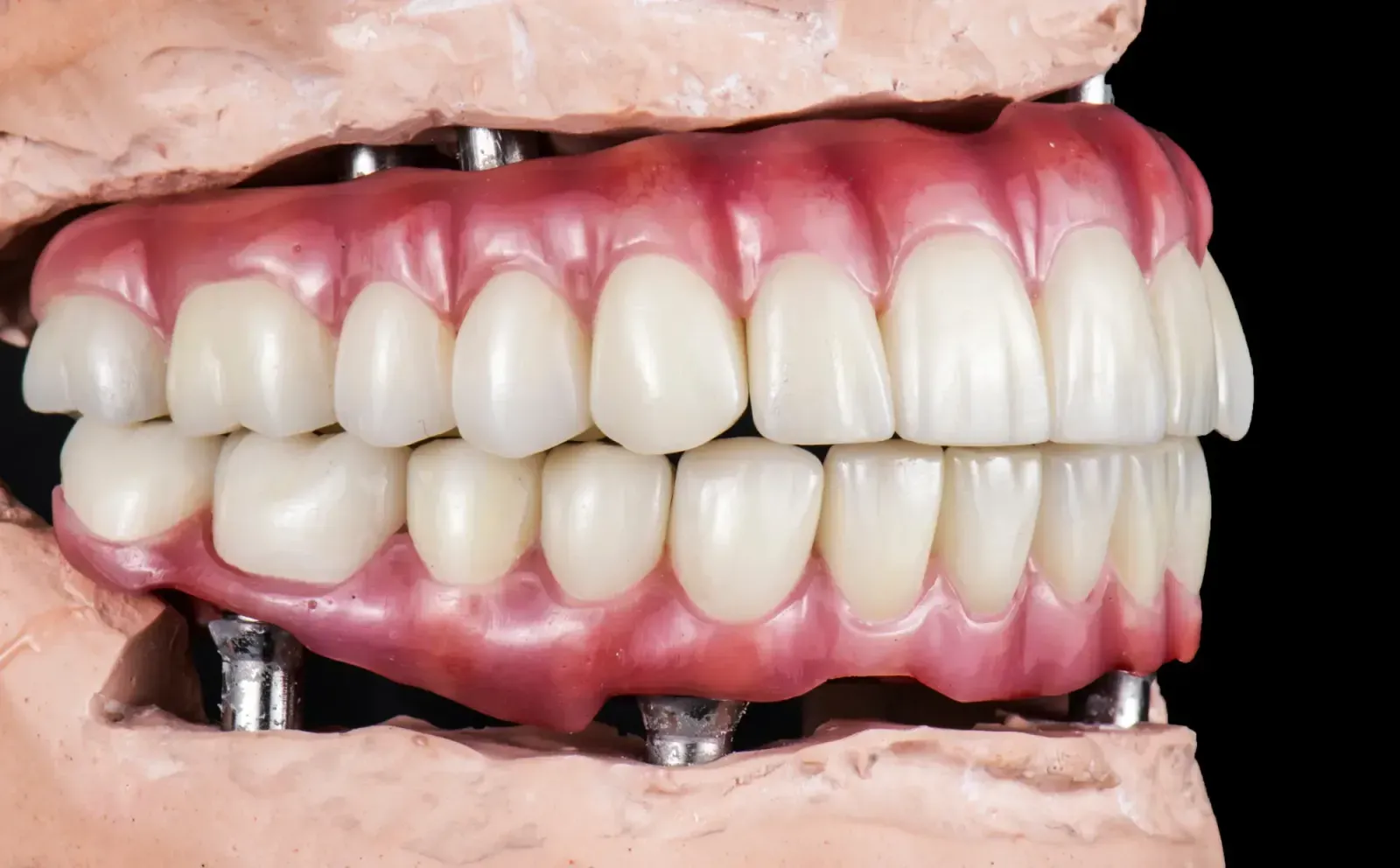
Once osseointegration is complete, your dentist will attach an abutment and place the final crown, bridge, or denture over the dental implants. This is the last stage of the process and marks the beginning of your fully functional, natural-looking smile.
Factors That Can Affect Recovery Time
Several individual factors influence how quickly you heal after implant surgery:
- Number of implants placed: Single-tooth implants typically heal faster than full arch replacements.
- Bone density: Patients with strong, healthy jawbone tend to experience shorter healing times.
- Oral health habits: Smoking, poor hygiene, or uncontrolled medical conditions can slow healing.
- Bone grafting or sinus lift: If additional procedures were done, your healing time may be extended.
At Highland Creek Family Dental, we create personalized treatment plans to help minimize delays and ensure optimal results for each patient.
Why Local Patients Trust Implant Dentistry in Lafayette
Getting dental implants in Lafayette means you’ll receive care tailored to your needs. Our team understands the unique concerns of patients in the community and prioritizes both comfort and precision. Whether you’re replacing a single tooth or restoring your entire smile, we’re here to guide you every step of the way.
Healing Tips After Implant Surgery
To promote a smooth recovery:
- Follow your post-op instructions closely
- Avoid smoking and alcohol
- Eat soft, nutritious meals
- Attend all follow-up appointments
- Keep your mouth clean without disturbing the surgical site
These habits support faster healing and reduce the risk of complications.
Conclusion
The recovery time for dental implants depends on the complexity of the surgery and your individual healing response. While soft tissue healing may take just a few weeks, full integration with your jawbone can take several months. Still, with proper care and guidance from an experienced dentist, most patients enjoy a comfortable and successful recovery.
If you’re exploring implant dentistry in Lafayette, contact Highland Creek Family Dental. We’re committed to helping you understand the process, recovery expectations, and the lasting benefits of restoring your smile with confidence.