By Highland Creek Family Dental | December 6, 2024
So, your little one’s first teeth have finally made their grand entrance! You’re probably beaming with pride, but you might be wondering, “What’s next?” Well, get ready for a journey into the exciting world of pediatric dentistry! In this blog post, we’ll explore how pediatric dentists take care of those precious pearly whites, even after those adorable mamelons fade away.
Mamelons: A Sign of New Beginnings
Let’s start with the basics. Those tiny bumps on your child’s new teeth are called mamelons. They’re like nature’s little “training wheels” for your baby’s chompers. As your child starts to chew and bite, these mamelons will naturally wear down over time.
The Importance of Pediatric Dental Care
Just like you schedule regular checkups for your child’s overall health, dental checkups are equally important. According to the American Academy of Pediatric Dentistry (AAPD), children should see a dentist by their first birthday or within six months of their first tooth erupting. Regular checkups allow your dentist to:
The Role of Pediatric Dentists
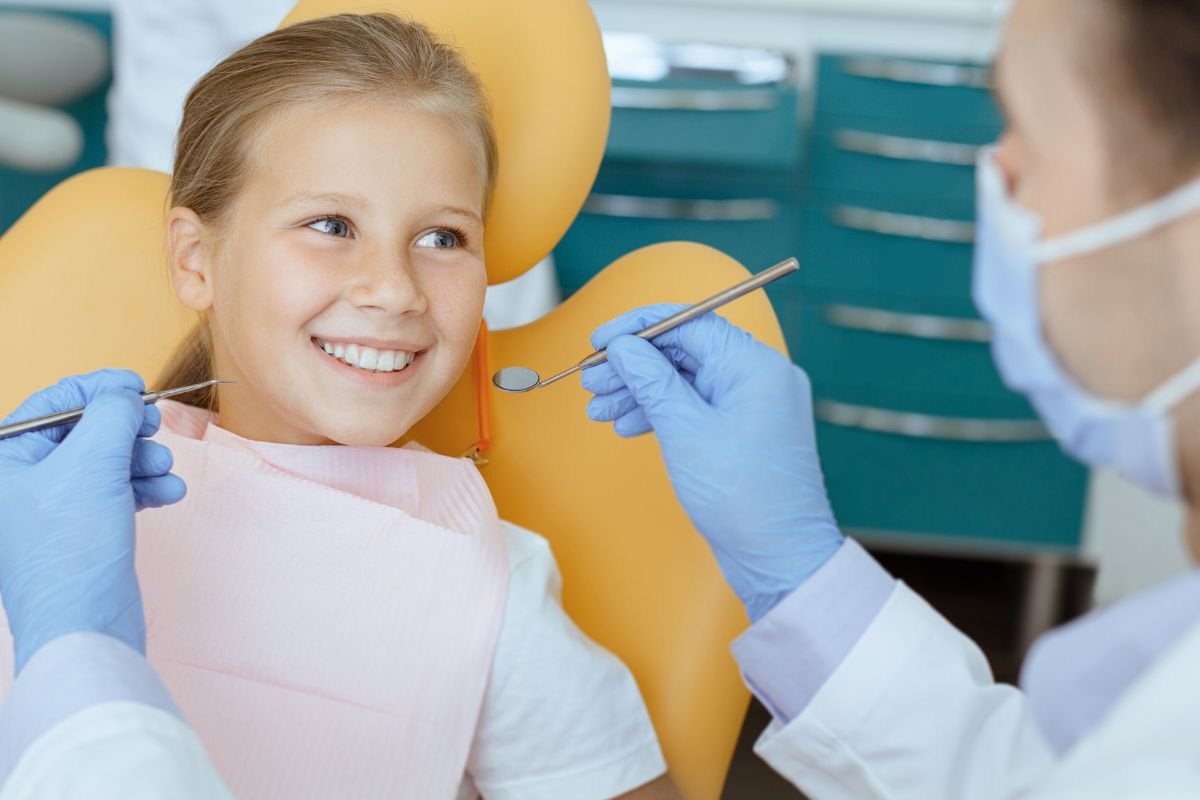
Pediatric dentists are specially trained to care for children’s teeth, from infancy through adolescence. They understand the unique needs of growing mouths and can provide preventive care, early diagnosis of potential problems, and treatment options tailored to your child’s age and development.
Preventive Care Beyond Mamelons
Once those mamelons have worn down, your child’s teeth will continue to mature and develop. Here’s how pediatric dentists help maintain optimal oral health:
- Regular Check-ups: Just like adults, children need regular dental check-ups, typically every six months. These visits allow the dentist to monitor your child’s oral health, identify any potential issues early on, and provide preventive care.
- Professional Cleaning: During check-ups, the dentist will clean your child’s teeth to remove plaque and tartar buildup. This helps prevent cavities and gum disease.
- Fluoride Treatments: Fluoride is a mineral that strengthens tooth enamel, making it more resistant to acid attacks. Pediatric dentist in Lafayette may recommend fluoride treatments to further protect your child’s teeth.
- Sealants: Sealants are a plastic coating applied to the chewing surfaces of molars to prevent food particles and bacteria from getting trapped in the grooves, reducing the risk of cavities.
- Dietary Guidance: Pediatric dentists can provide dietary advice to help you choose healthy snacks and drinks that promote oral health. Limiting sugary foods and drinks is essential, as sugar feeds the bacteria that cause tooth decay.
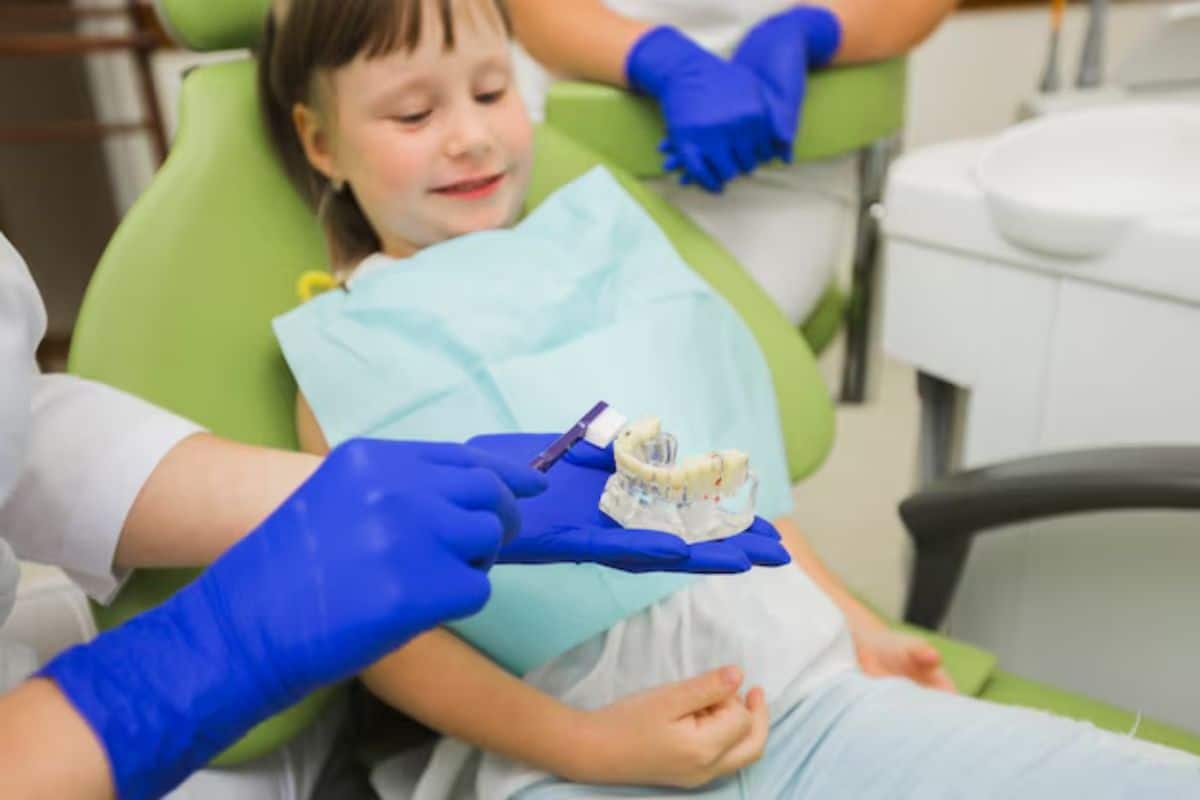
- Oral Hygiene Education: Teaching your child proper brushing and flossing techniques is crucial. Pediatric dentists can provide guidance and demonstrations to help you and your child develop good oral hygiene habits.
- Habit Counseling: Some habits, like thumb-sucking or pacifier use, can affect the alignment of your child’s teeth. Pediatric dentists can provide guidance on how to break these habits and prevent potential dental problems.
Addressing Common Dental Issues in Children
While preventive care is essential, children may still experience dental problems. Some common issues include:
- Tooth Decay: Cavities can develop if plaque is not removed regularly. Early detection and treatment are crucial to prevent further damage.
- Gum Disease: Gum disease can lead to inflammation, bleeding gums, and even tooth loss. Regular brushing and flossing, as well as professional cleanings, can help prevent gum disease.
- Tooth Injuries: Children are active and may experience accidents that result in chipped, cracked, or knocked-out teeth. Prompt dental attention is necessary to minimize damage and restore the tooth’s function and appearance.
- Thumb-Sucking and Pacifier Use: Prolonged thumb-sucking or pacifier use can affect the alignment of teeth and bite. Pediatric dentists can monitor your child’s habits and recommend weaning strategies if necessary.
Conclusion
Your child’s oral health is an important foundation for their overall well-being. By working closely with your qualified dentist in Lafayette, you can ensure that your child’s teeth stay healthy and strong throughout their childhood and beyond. By taking these steps, you can help your child develop strong, healthy teeth that will last a lifetime.