By Highland Creek Family Dental | July 5, 2023
Want straighter teeth but aren’t excited about wearing traditional metal braces? Invisalign treatment may be worth discussing with your dentist.
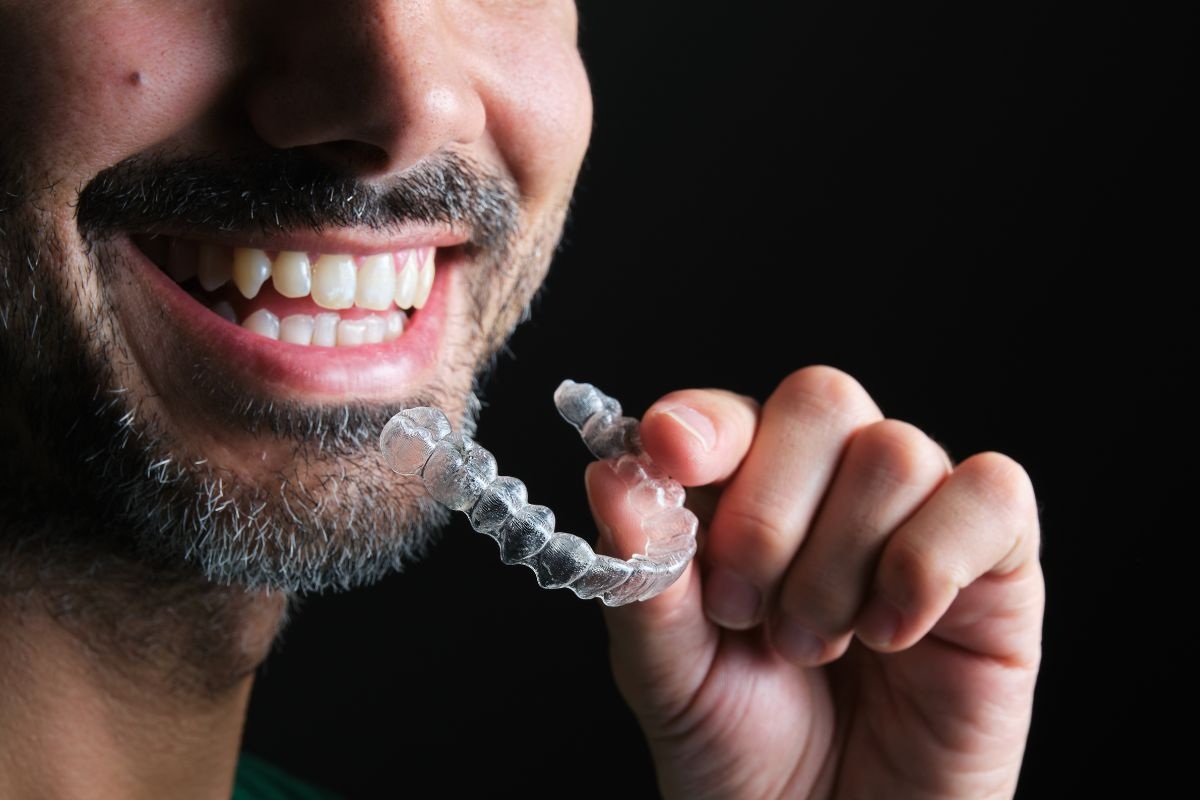
Instead of brackets and wires, Invisalign uses a series of clear, removable aligners that gradually guide teeth toward their planned positions. Because the aligners are discreet and can be removed for meals and oral hygiene, they can fit more easily into many patients’ daily routines.
But Invisalign isn’t simply a matter of putting in clear trays and waiting for your teeth to move. Successful treatment depends on choosing the right approach for your smile, wearing the aligners consistently, keeping your teeth and trays clean, and attending follow-up appointments.
If you’re considering clear aligners in Lafayette, here’s what you should know before scheduling a consultation.
Understanding Invisalign: An Overview Of The Treatment
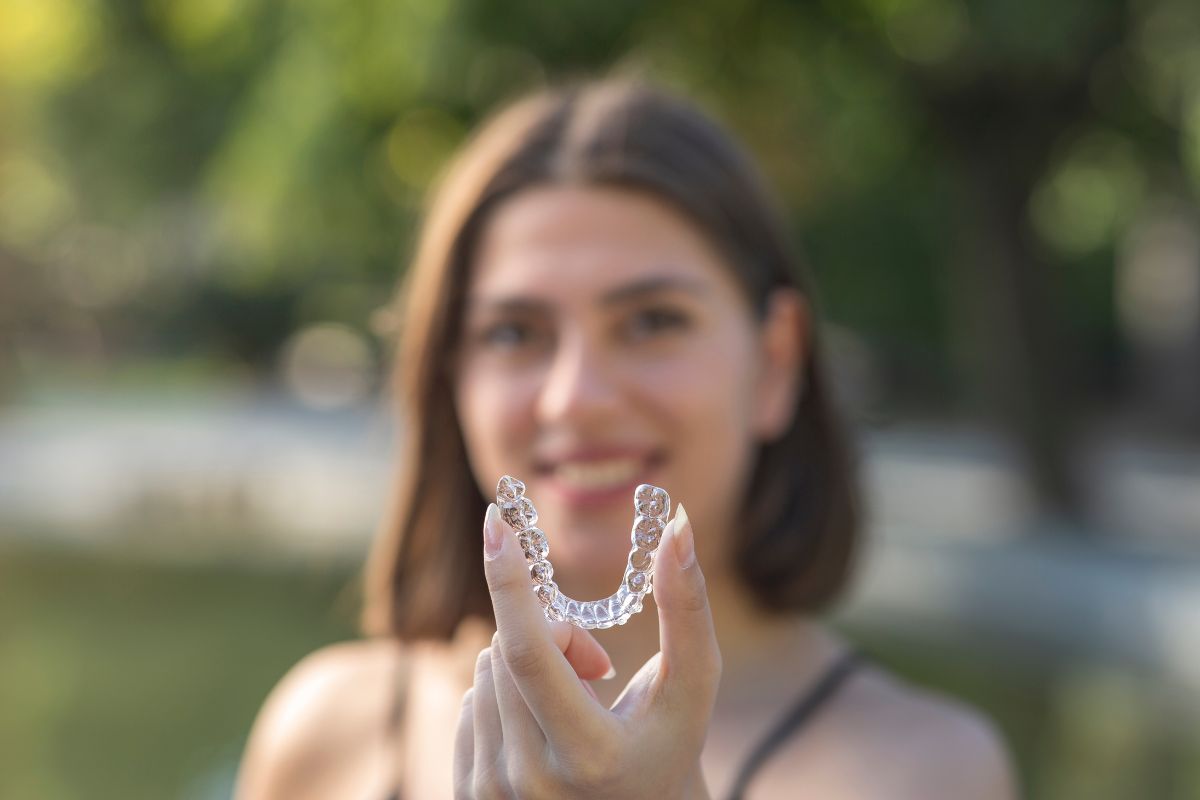
Invisalign is a form of orthodontic treatment that uses a series of custom-made, transparent aligners to gradually move teeth. Each aligner is designed to apply controlled pressure to specific teeth as part of a personalized treatment plan.
Unlike traditional braces, the aligners don’t use metal brackets and wires. They are removable, which means you can take them out when eating, drinking beverages other than water, brushing, and flossing.
The goal isn’t simply to make teeth look straighter. Depending on the individual case, treatment may also address certain alignment and bite concerns. Highland Creek Family Dental notes that Invisalign may be used for concerns such as crowded or crooked teeth, gaps, and certain bite problems, including overbite, open bite, underbite, and crossbite.
That doesn’t mean Invisalign is appropriate for every patient or every orthodontic problem. A dental evaluation is the best way to determine which treatment approach makes sense for your particular smile.
How Does Invisalign Treatment Work?
The process is more involved than simply receiving a box of aligners. Your dentist first needs to understand your teeth, bite, oral health, and treatment goals.
1. Start With a Consultation
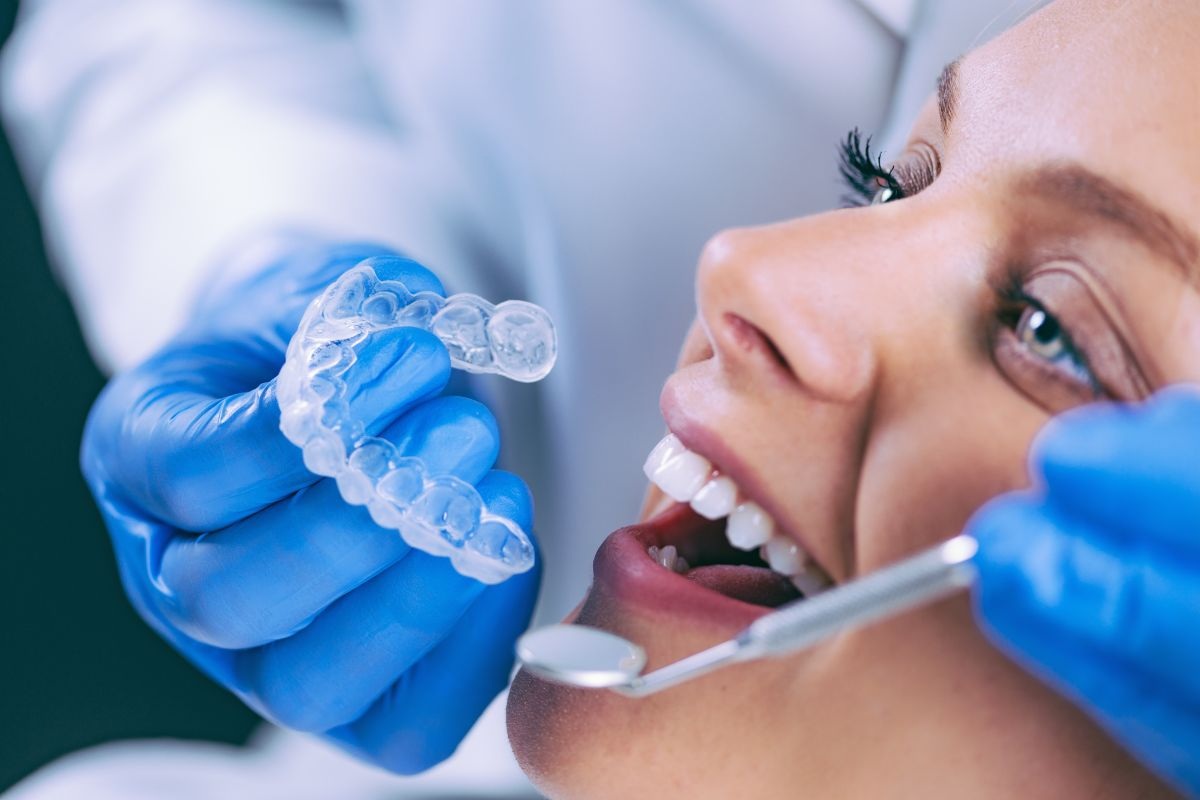
Your first appointment is an opportunity to discuss what you’d like to change about your smile and have your teeth and gums evaluated.
Your dentist can determine whether clear aligners are appropriate and whether any existing dental concerns should be addressed before orthodontic treatment begins.
2. Create a Personalized Treatment Plan
If Invisalign is appropriate, your provider will collect information needed to plan the movement of your teeth. Depending on the practice and case, this can include digital scans, photographs, and dental imaging.
Modern digital treatment planning allows providers to map out tooth movement and monitor progress throughout treatment. Invisalign’s current treatment process, for example, uses digital scanning and treatment-planning technology to create a customized plan.
3. Wear Your Aligners Consistently
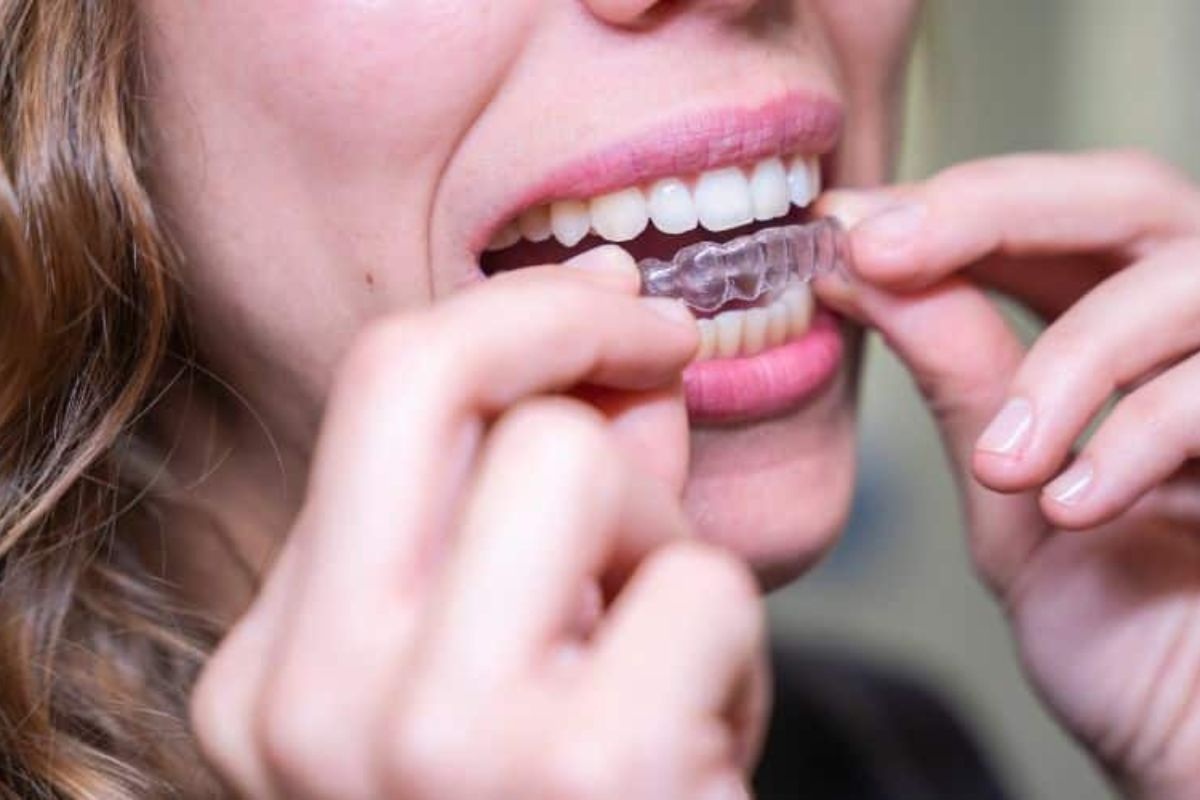
Once your aligners are ready, you’ll wear them according to your provider’s instructions.
Invisalign generally recommends approximately 20 to 22 hours of wear per day. They should be removed for eating and drinking anything other than water, as well as for brushing and flossing.
This is one of the biggest differences between Invisalign and traditional braces and also one of the biggest responsibilities.
Because the trays are removable, it’s up to you to put them back in. Frequently leaving them out can interfere with the treatment plan.
4. Move Through Your Aligner Series
Each aligner is intended to make a small amount of planned movement. You’ll progress through the series according to the schedule provided by your dentist.
Don’t assume that everyone should change trays on exactly the same day or follow the same schedule. Treatment plans vary, and your provider’s instructions should take priority.
Regular checkups allow your dentist to evaluate how your teeth are responding and determine whether treatment is progressing as expected.
5. Maintain Your New Alignment
Finishing your last aligner doesn’t necessarily mean you’re finished caring for your newly straightened smile.
Teeth can shift over time, which is why retainers are commonly recommended after orthodontic treatment. The type and wearing schedule depend on your individual treatment plan.
Advantages of Invisalign Treatment
One reason patients ask about Invisalign is that the treatment can fit into everyday life without the appearance of conventional braces.
If you’re comparing your options, you can also learn more about the benefits of choosing Invisalign over traditional braces before deciding which approach may be right for you.
Potential advantages include:
Discreet Appearance: One of the primary advantages of Invisalign is its virtually invisible appearance. The clear aligners are made from transparent plastic, making them hardly noticeable when worn. This allows you to undergo teeth straightening treatment without feeling self-conscious about your appearance.
Enhanced Comfort: Invisalign aligners are made from smooth and comfortable materials, eliminating the discomfort often associated with traditional braces. The aligners are custom-designed to fit snugly over your teeth, reducing irritation to your gums and oral tissues.
Removability and Convenience: Unlike braces that are permanently fixed to your teeth, Invisalign aligners are removable. This feature offers several benefits, including the ability to easily maintain oral hygiene by brushing and flossing without any obstructions. Additionally, you can remove the aligners for special occasions or when eating, allowing you to enjoy your favorite foods without restrictions.
Customized Treatment Plan: Each Invisalign treatment is tailored to the specific needs and goals of the individual. Through advanced technology, your dentist or orthodontist will create a personalized treatment plan that maps out the gradual movements of your teeth, providing you with a clear understanding of the expected outcome.
These advantages don’t automatically make Invisalign the best option for everyone. Your dentist or orthodontist needs to consider the nature and complexity of your alignment or bite concerns before recommending treatment.
What Can Invisalign Treat?
Patients often ask whether Invisalign can fix more than slightly crooked front teeth.
Clear aligners can be used for many orthodontic concerns, including certain cases involving:
- Crowded teeth
- Crooked teeth
- Gaps between teeth
- Spacing concerns
- Certain overbites
- Certain underbites
- Certain crossbites
- Certain open bites
The important word here is certain.
The severity and cause of a bite problem matter. Some cases may require a different orthodontic approach, while others may be appropriate for clear aligners. That’s why an in-person evaluation is more useful than trying to determine candidacy from a checklist alone.
What Is Daily Life Like During Invisalign Treatment?
For many patients, the adjustment is fairly straightforward, but there are habits you’ll need to develop.
Eating and Drinking
Because Invisalign aligners are removable, you generally take them out before eating. This means you don’t have the same food restrictions associated with eating around traditional brackets and wires.
After eating, clean your teeth before putting the aligners back in whenever possible.
Brushing and Flossing
Removability makes it possible to brush and floss normally rather than trying to work around orthodontic hardware.
That’s a major practical advantage, but it doesn’t replace good oral hygiene. Food and plaque left on your teeth while wearing aligners can create an environment that isn’t friendly to healthy teeth and gums.
Cleaning the Aligners
Your aligners also need regular cleaning. Invisalign recommends rinsing and cleaning aligners appropriately and avoiding hot water, which can damage or distort them.
When you remove your trays, keep them in their protective case rather than wrapping them in a napkin. It’s surprisingly easy for an aligner to disappear with a restaurant plate or end up in the trash.
Is Invisalign Treatment Comfortable?
Most people don’t describe Invisalign as completely sensation-free.
When you begin a new set of aligners, you may notice pressure or tightness as the trays guide your teeth through the planned movements. Temporary discomfort can occur, particularly when beginning treatment or moving to a new aligner.
The experience is different from person to person. If you experience significant, persistent, or unusual pain, contact your dental provider rather than simply assuming it’s part of treatment.
Who Is a Good Candidate for Invisalign?
There isn’t one age or smile type that automatically makes someone a candidate.
Invisalign can be an option for many teens and adults, but candidacy depends on factors such as:
- The position and condition of your teeth
- Your bite
- The complexity of the orthodontic problem
- Your oral health
- Your ability to wear the aligners consistently
- Your overall treatment goals
Healthy teeth and gums are important before and during orthodontic treatment. If you have untreated dental problems, your dentist may recommend addressing those concerns first.
And remember: wanting clear aligners is not the same thing as being a good candidate for them. A professional evaluation is what determines whether the treatment fits your needs.
Invisalign Treatment in Lafayette, IN
If you’re researching invisalign in Lafayette, choosing a provider who can evaluate your individual smile is an important first step.
Highland Creek Family Dental offers Invisalign clear aligners at its Lafayette practice and explains that treatment may be used to address several common alignment and bite concerns. The practice serves patients at its East Lafayette location at 4921 State St 26 E #100, Lafayette, IN 47905.
You can also enhance your smile with Invisalign in Lafayette by learning more about the practice’s clear-aligner treatment and scheduling a consultation to discuss your options.
A consultation gives you the chance to ask questions, understand what treatment may involve, and find out whether clear aligners are appropriate for your particular smile.
Frequently Asked Questions About Invisalign Treatment
How long does Invisalign treatment take?
Treatment time varies according to the complexity of the case and how consistently the aligners are worn. There isn’t one treatment length that applies to every patient. Your provider can give you a more useful estimate after evaluating your teeth and creating a treatment plan.
How many hours a day should I wear Invisalign aligners?
Invisalign generally recommends wearing the aligners for about 20 to 22 hours each day. Your dentist may provide specific instructions based on your treatment plan.
Can I eat while wearing Invisalign?
You should normally remove your aligners before eating. You can put them back in after cleaning your teeth.
Can Invisalign fix an overbite or underbite?
Clear aligners can address certain bite problems, but not every overbite or underbite is the same. The cause and severity of the problem determine whether Invisalign is an appropriate option.
Can I get Invisalign if I had braces before?
Previous braces don’t automatically prevent you from receiving clear-aligner treatment. Some people seek orthodontic treatment again after their teeth have shifted. A dentist or orthodontist can evaluate your current alignment and recommend an appropriate approach.
Do Invisalign aligners hurt?
You may notice pressure, tightness, or temporary discomfort when beginning treatment or changing to a new aligner. Significant or persistent pain should be discussed with your dental provider.
Do I have to wear retainers after Invisalign?
Retainers are commonly recommended after orthodontic treatment to help maintain tooth alignment. Your provider will determine the appropriate retainer and wearing schedule for your smile.
Is Invisalign Right for Your Smile?
Invisalign treatment can be an appealing option if you want to straighten your teeth without traditional metal braces. The clear, removable design can make orthodontic care easier to incorporate into everyday life, but successful treatment requires commitment and professional monitoring.
If you’re considering Invisalign treatment in Lafayette, the best place to start is with a personalized evaluation. Instead of relying on a generic eligibility checklist, talk with a dental professional about your teeth, bite, oral health, and goals.
That conversation can help you understand whether Invisalign is right for you and what your path toward a straighter smile may look like.