By Highland Creek Family Dental | July 7, 2025
Jaw pain and discomfort while chewing, talking, or even resting your face could be a sign of a temporomandibular joint disorder, more commonly known as TMJ or TMD. At Highland Creek Family Dental, many Lafayette patients ask if Invisalign can help relieve jaw pain and TMJ-related symptoms. The short answer? In some cases, yes. Invisalign is primarily designed to straighten teeth, but by correcting misaligned bites, it can often reduce pressure on the jaw joint and alleviate associated discomfort.
Let’s break down how Invisalign may help patients dealing with jaw issues, and whether it might be the right solution for you.
Understanding TMJ Disorders
The temporomandibular joint connects your jawbone to your skull, acting like a sliding hinge that allows you to speak, eat, and move your jaw naturally. When this joint becomes inflamed or strained due to poor bite alignment, grinding (bruxism), stress, or trauma, it can lead to:
- Jaw clicking or popping
- Muscle soreness or stiffness
- Headaches
- Facial pain
- Limited jaw movement
TMJ issues affect millions across the U.S., and while many treatments exist, the root cause often lies in how your teeth and bite are aligned.
The Role of Bite Alignment in Jaw Pain
An uneven bite can put excess pressure on your jaw muscles and joints. When your upper and lower teeth don’t meet properly, it may cause you to overcompensate during normal functions like chewing or talking. Over time, this can strain the TMJ and surrounding muscles, leading to chronic pain.
Many patients in Lafayette don’t even realize they have bite misalignment until symptoms of TMJ appear. That’s where Invisalign comes in.
How Invisalign May Relieve TMJ Discomfort
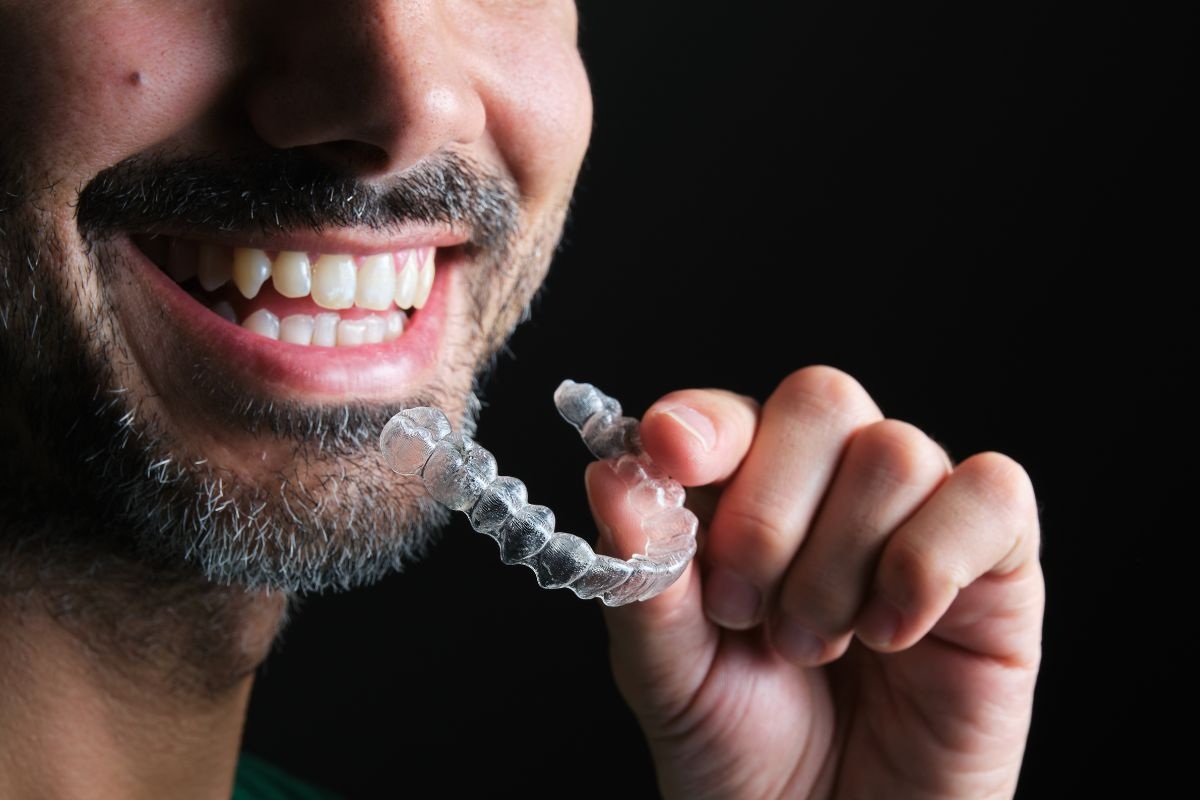
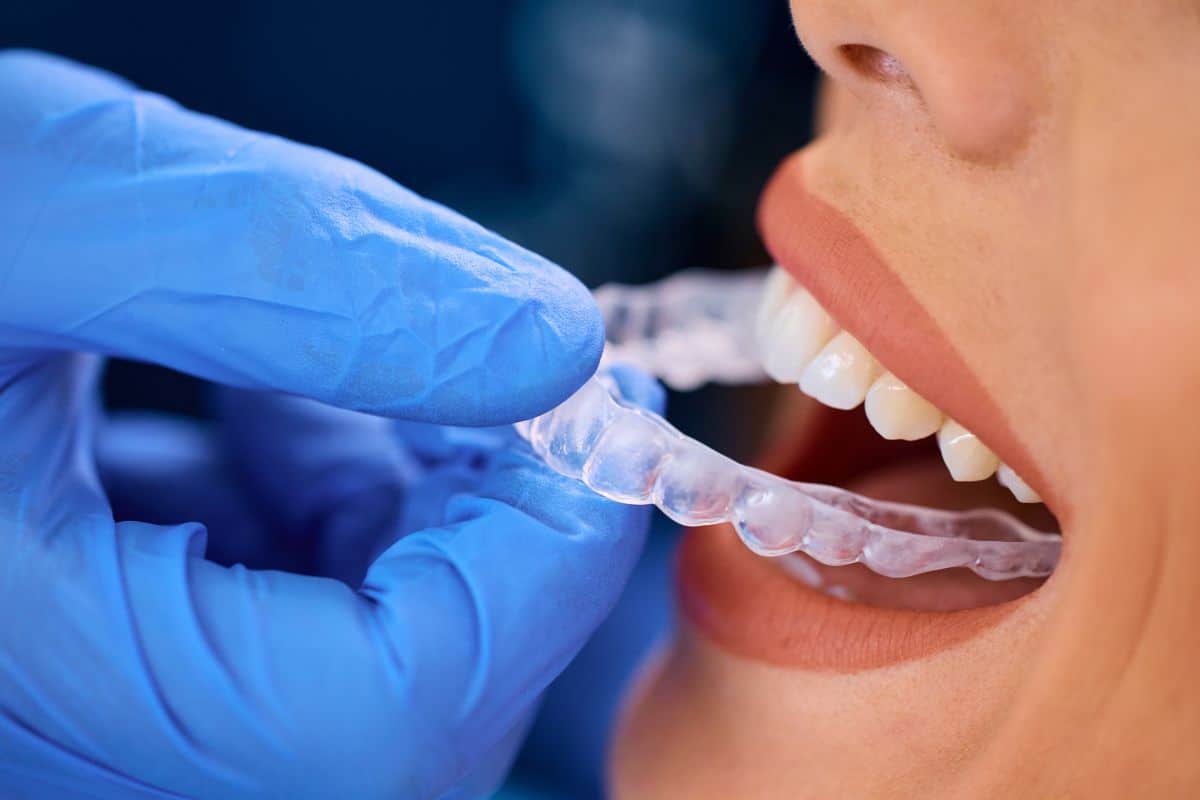
Invisalign is a modern orthodontic system that uses custom-made clear aligners to shift your teeth into proper position gradually. For those suffering from bite-related TMJ symptoms, aligning the teeth and jaw can:
- Reduce pressure on the jaw joint
- Promote balanced muscle function
- Prevent teeth grinding by evening out your bite
- Improve jaw movement and comfort
In cases where bite problems are contributing to TMJ symptoms, Invisalign can be a non-invasive and discreet solution. At Highland Creek Family Dental, we’ve seen Lafayette Invisalign patients experience relief from persistent jaw tension after completing their treatment plans.
Is Invisalign a Cure for TMJ?
It’s important to understand that while Invisalign may relieve some symptoms, it is not a cure-all for TMJ disorders. TMJ is a complex condition that can stem from multiple causes, including stress, arthritis, trauma, or habits like clenching. That’s why a thorough evaluation is key.
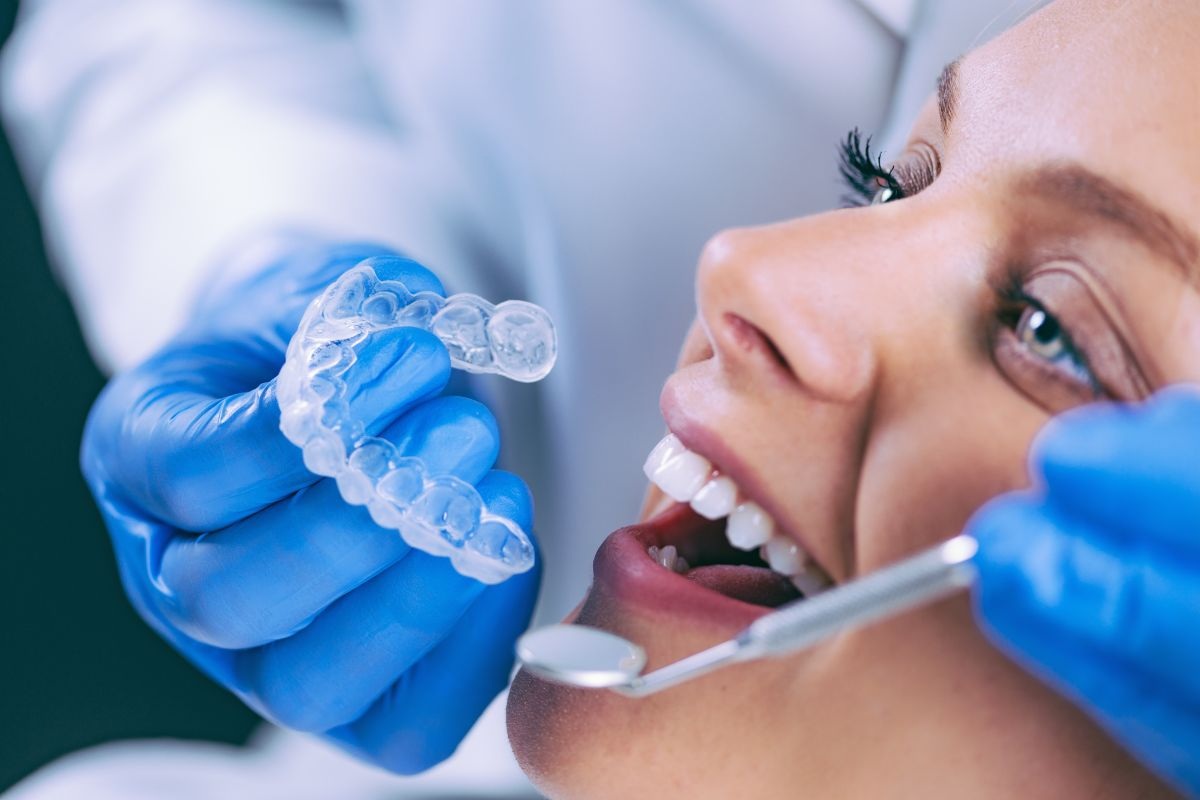
Before beginning treatment, your dentist will assess your bite, jaw movement, and any signs of joint dysfunction. If your TMJ symptoms are connected to misalignment or crowding, Invisalign could be part of your overall care plan.
Benefits of Choosing Invisalign
Choosing Invisalign in Lafayette at Highland Creek Family Dental offers several advantages beyond aesthetics:
- Customized treatment: Aligners are designed for your unique dental anatomy.
- Comfortable to wear: Smooth plastic trays reduce irritation often caused by braces.
- Removable: You can take them out to eat, brush, and floss, maintaining better oral hygiene.
- Discreet appearance: Great for adults and teens who prefer a nearly invisible option.
- Jaw alignment benefits: May help reduce TMJ stress if bite is a contributing factor.
Our team works closely with patients to monitor progress and ensure that aligners are addressing both cosmetic and functional issues.
Who Is a Good Candidate?
Invisalign works best for mild to moderate alignment issues. If you have:
- Crossbite or overbite
- Crowded or crooked teeth
- Minor spacing problems
- Jaw discomfort linked to misalignment
You might be a strong candidate. However, severe TMJ disorders may require a multi-disciplinary approach, including physical therapy, bite guards, or other dental interventions.
When to See a Dentist for TMJ or Jaw Pain
If you’re experiencing persistent jaw soreness, popping, or difficulty opening your mouth, don’t wait. The earlier the issue is identified, the easier it may be to manage. A professional dentist in Lafayette can determine whether Invisalign or another dental treatment is appropriate for your specific case.
Conclusion
While Invisalign isn’t a guaranteed solution for TMJ issues, it can be an effective part of a treatment plan—especially when bite alignment is a factor. At Highland Creek Family Dental, we focus on finding the root cause of your discomfort and providing personalized, evidence-based solutions that support both function and comfort.