
By Highland Creek Family Dental | March 18, 2026
Most people don’t think about dental crowns until a dentist brings it up. But your tooth often gives you warning signs long before things get serious. Catching those signs early can save you from pain, a bigger procedure, and higher costs down the road. At Highland Creek Family Dental in Lafayette, IN, we believe an informed patient is a healthier one. So let’s talk about what your tooth might be trying to tell you.
If you have kids, finding a reliable dentist who offers pediatric care near your area is just as important as managing your own dental health, and knowing when a crown is needed is a good place to start.
What Is a Dental Crown?
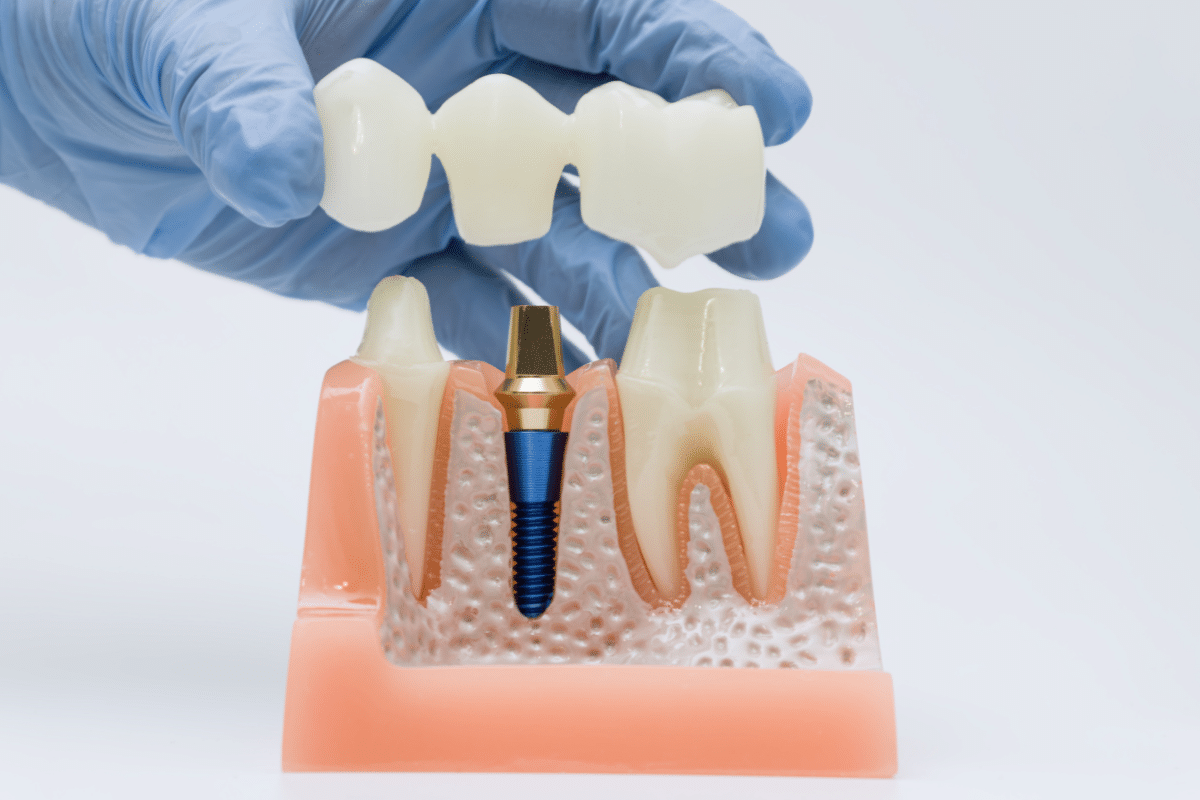
A dental crown is a cap that fits over a damaged or weakened tooth. It restores the tooth’s shape, size, and strength. Crowns are used for a wide range of reasons, from covering a cracked tooth to protecting one after a root canal. They’re one of the most common restorations in dentistry, and when placed at the right time, they can protect a tooth for many years.
Warning Sign 1: Persistent Tooth Pain
Pain that keeps coming back is never something to ignore. If a tooth hurts when you bite down, when you chew, or even when you’re not eating at all, it could mean the inner structure of the tooth is compromised.
This kind of pain often points to a crack, decay that’s gone deep, or an old filling that’s no longer doing its job. A crown can protect what’s left of the tooth and stop the pain from getting worse.
According to the American Dental Association, crowns are a recommended solution when a tooth is too damaged to be repaired by a simple filling alone.
Warning Sign 2: A Visibly Cracked or Chipped Tooth
A crack or chip might look minor, but it can cause real problems if left untreated. Cracks can spread over time. Once a crack reaches the root of the tooth, the options for saving it become much more limited.
A crown placed over a cracked tooth holds it together and prevents the crack from growing. If you can see a crack or feel a sharp edge on a tooth, get it checked as soon as you can.
This applies to kids too. Chipped baby teeth or cracked permanent teeth in children need prompt attention. A dentist who specializes in treating younger patients can assess whether a crown is the right step to protect the tooth as it develops.
Warning Sign 3: A Large or Failing Filling
Fillings don’t last forever. Over time, they can crack, shrink, or pull away from the tooth. When a filling takes up a large portion of a tooth, there may not be enough natural tooth structure left to support a new filling.
In that case, a crown is often the better long-term option. It covers the entire tooth, distributes bite pressure more evenly, and reduces the chance of the tooth breaking in the future.
If you have older silver fillings that are starting to look worn or feel different when you bite, it’s worth having them evaluated.
Warning Sign 4: Tooth Sensitivity That Doesn’t Go Away
Short bursts of sensitivity to hot or cold are common and usually minor. But when the sensitivity lingers, or when it shows up without any obvious trigger, that’s a different story.
Lasting sensitivity can mean the enamel (the hard outer layer of your tooth) has worn down or that a crack is exposing the inner nerve. A crown can shield the tooth from those triggers and give the nerve a chance to settle.
Modern crowns use porcelain and ceramic that match your tooth color closely, so they’re hard to spot. Patients who visit a cosmetic dentist in and around Lafayette often find that a crown also improves the overall look of their smile, not just its strength.
Warning Sign 5: A Tooth That Has Had a Root Canal
After a root canal, a tooth loses most of its moisture and becomes more fragile. Without a crown to protect it, that tooth is at a real risk of cracking under normal bite pressure.
Most dentists recommend placing a crown shortly after a root canal on a back tooth. Front teeth may sometimes be treated differently, but the conversation about a crown should always happen after the procedure.
The Cleveland Clinic’s dental health resources confirm that crowns are a standard and important step following root canal treatment to restore the tooth’s full function.
Can Children Need Crowns Too?
Yes, and more often than most parents expect. Children can develop deep cavities, crack teeth, or have structural issues that make a crown the best option. Stainless steel crowns are commonly used on baby teeth to protect them until they naturally fall out.
“Finding a dentist near you” who is experienced in pediatric dental care makes a big difference in these situations. A provider who works with kids often knows how to walk both the parent and the child through the process without any confusion.
Frequently Asked Questions
1. How do I know if I need a crown or just a filling?
If the decay or damage covers more than half the tooth, or if the tooth has already cracked, a crown is usually the better choice. Your dentist will take an X-ray and examine the tooth before recommending anything.
2. Does getting a crown hurt?
The procedure is done with local anesthesia, so you won’t feel pain during it. Some soreness after the numbing wears off is normal and typically goes away within a day or two.
3. How long does a dental crown last?
With good care, most crowns last between 10 and 15 years. Some last much longer. Regular brushing, flossing, and dental checkups are the best way to extend a crown’s life.
4. Are crowns covered by dental insurance?
Many insurance plans cover a portion of crown costs when they’re considered medically necessary. It’s best to check with your insurance provider and dental office before the procedure.
5. What materials are crowns made from?
Common materials include porcelain, ceramic, metal alloys, and porcelain fused to metal. The right choice depends on which tooth is being crowned and what matters most to you, whether that’s strength, appearance, or cost.
6. Can a crown fall off?
It’s uncommon but possible. If a crown feels loose or comes off, contact your dentist right away. Avoid chewing on that side and keep the area clean until you can be seen.
7. Is a crown the same as a cap?
Yes. The terms crown and cap refer to the same restoration. Crown is the clinical term, but both mean the same thing.
Take Action Before It Gets Worse
Dental problems rarely fix themselves. A small crack, a worn filling, or a sensitive tooth can turn into a much bigger issue if you wait too long. The good news is that crowns are a reliable, well-tested solution that can protect a damaged tooth for years.
If any of the signs above sound familiar, don’t put it off. Take a moment to schedule a consultation and have the tooth looked at. You can also contact a local dental office in Lafayette, IN, like Highland Creek Family Dental, to ask questions and find out what your options are before making any decisions.
And if you’re looking into cosmetic dentistry in Lafayette for a smile that looks as healthy as it feels, crowns can be part of that conversation too. We’re here to help you figure out the best path forward.