By Highland Creek Family Dental | May 7, 2025
Getting dental implants can make a big difference in how your smile looks and feels. With implant dentistry, you can replace missing teeth and get back to eating, speaking, and smiling with confidence. But to make sure your implant stays healthy, it’s important to take good care of your mouth, especially right after surgery. One of the biggest risks during healing is infection, and knowing how to avoid it can help protect your new implant for years to come.
Let’s go over simple steps you can follow at home to lower your chances of getting an infection after your dental implant surgery.
Why Infection Can Be a Problem After Implant Dentistry
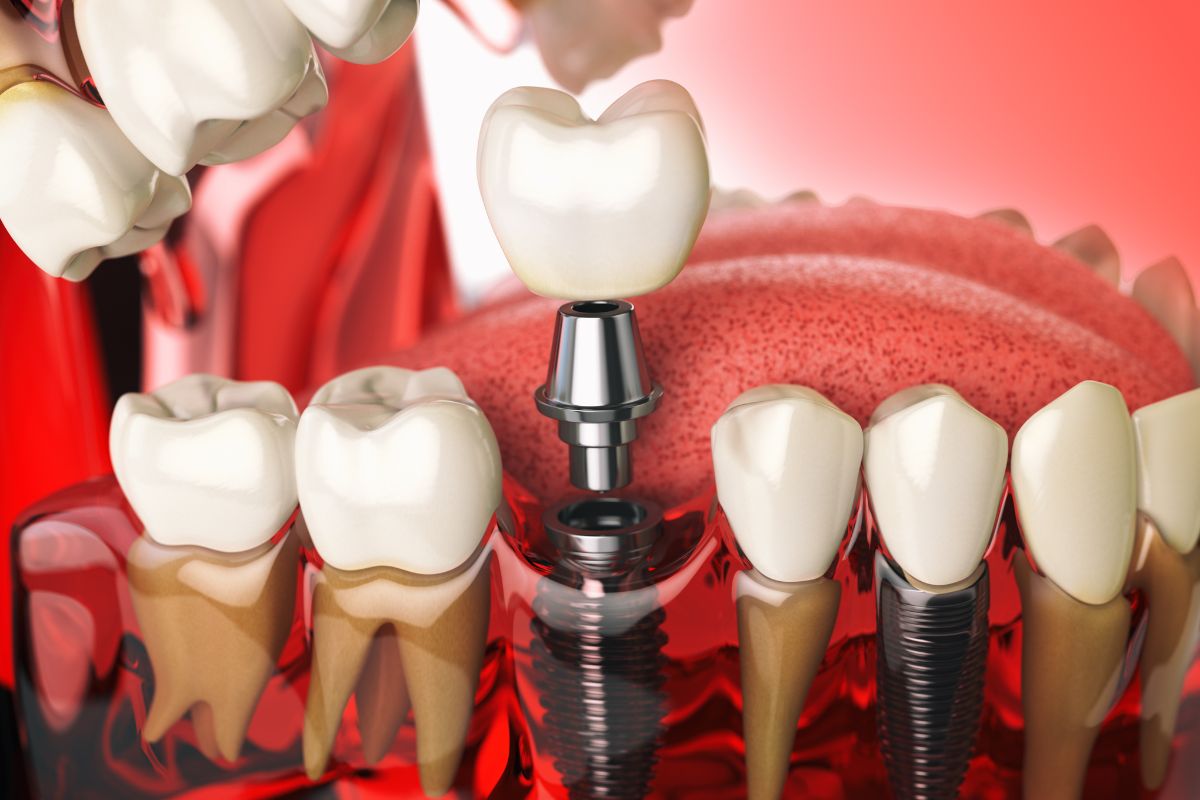
When you get a dental implant, it’s placed into your jawbone. Over time, it fuses with the bone to act like a real tooth root. But if bacteria get into the area before it heals, it can cause swelling, pain, or even damage to the bone. This is why keeping the area clean and following your dentist’s care instructions is so important.
What to Watch Out For After Your Implant
Some swelling, soreness, or light bleeding is normal for a few days after surgery. But signs of infection can include:
- Pain that gets worse, not better
- Red or swollen gums around the implant
- Pus or discharge near the site
- A bad taste in your mouth
- Fever or feeling tired
If you notice any of these, call your dentist right away. Early treatment can stop the infection before it causes bigger problems.
How to Prevent Infection After Implant Dentistry
1. Follow Your Dentist’s Instructions Closely
Your dentist will give you directions on how to care for your mouth after surgery. Be sure to:
- Take any medicine exactly as prescribed
- Avoid touching or poking the implant area
- Don’t spit or rinse hard for the first 24 hours
- Rest and take it easy for at least a day or two
These simple steps help your body heal and lower your risk of infection.
2. Keep Your Mouth Clean
Even though your gums may be sore, you still need to keep your mouth clean. Here’s how:
- Brush your teeth gently with a soft toothbrush
- Don’t brush the implant area right away; your dentist will tell you when it’s safe
- Rinse with warm salt water after meals to keep the area clean
- Avoid using strong mouthwashes unless your dentist recommends one
Good daily care keeps bacteria from building up near the implant.
3. Eat Soft, Healthy Foods
After your implant, stick to soft foods that are easy to chew and won’t hurt your gums. Try:
- Mashed potatoes, oatmeal, and soups
- Scrambled eggs, yogurt, or smoothies
- Soft fruits like bananas
Avoid anything crunchy, spicy, or sticky for the first few days. This helps protect the healing area and keeps food from getting stuck.
4. Skip the Smoking and Drinking
Smoking can slow down healing and raise the risk of infection. Alcohol can also irritate the area and affect how your medicine works. If you can, stay away from both, at least until your mouth fully heals.
5. Don’t Miss Your Follow-Up Appointments
After your implant is placed, your dentist will want to see you a few times to make sure it’s healing well. These visits let your dentist check for any early signs of trouble and clean around the implant if needed.
Skipping appointments means problems can go unnoticed, which could lead to infection or implant failure.
Caring for Your Implant Long Term
Even after your implant has fully healed, it still needs regular care just like your natural teeth. Here’s what you should keep doing:
- Brush and floss every day
- Use a water flosser if your dentist suggests one
- Visit your dentist for cleanings and checkups twice a year
Taking care of your mouth every day helps your implant last a long time and keeps your gums and bone healthy.
Conclusion
Caring for your mouth after implant dentistry isn’t hard, but it does take a little time and attention. Cleaning your teeth gently, eating soft foods, and following your dentist’s instructions all help prevent infection and make sure your implant heals the right way. If you notice anything unusual or painful, contact your dentist quickly.
If you’ve had implant dentistry in Lafayette, taking care of your new implant from the start will help protect your smile and your health for years to come.