By Highland Creek Family Dental | March 21, 2025
Ever looked in the mirror and wished your smile was a little more… aligned? Maybe you’ve noticed your teeth don’t quite meet the way they should, or perhaps you’re dealing with jaw discomfort. You’re not alone! In the U.S., a significant portion of the population grapples with malocclusion, or a “bad bite.” According to the American Association of Orthodontists, malocclusion is a common issue, with estimates suggesting that a substantial percentage of people could benefit from orthodontic treatment. But can cosmetic dentistry help? Let’s explore how these two fields can work together to give you a healthier, more confident smile.
Understanding the Connection: Cosmetic vs. Functional
Cosmetic dentistry primarily focuses on enhancing the aesthetic appeal of your smile. Think teeth whitening, veneers, and bonding. However, a “bad bite” or malocclusion isn’t just a cosmetic issue; it’s a functional one. It can lead to problems like:
TMJ Disorders: The temporomandibular joint (TMJ) can become stressed, leading to jaw pain, headaches, and clicking sounds.
Difficulty Chewing: Misaligned teeth can make it hard to properly chew food, impacting digestion.
Increased Risk of Tooth Decay and Gum Disease: Overlapping or crowded teeth are harder to clean, increasing the risk of cavities and gum inflammation.
Excessive Tooth Wear: An uneven bite can put excessive pressure on certain teeth, causing them to wear down prematurely.
Can Cosmetic Dentistry Help? The Short Answer: It Depends.
While cosmetic dentistry alone can’t “fix” a severe malocclusion, it can play a vital role in conjunction with other treatments. Here’s a breakdown:
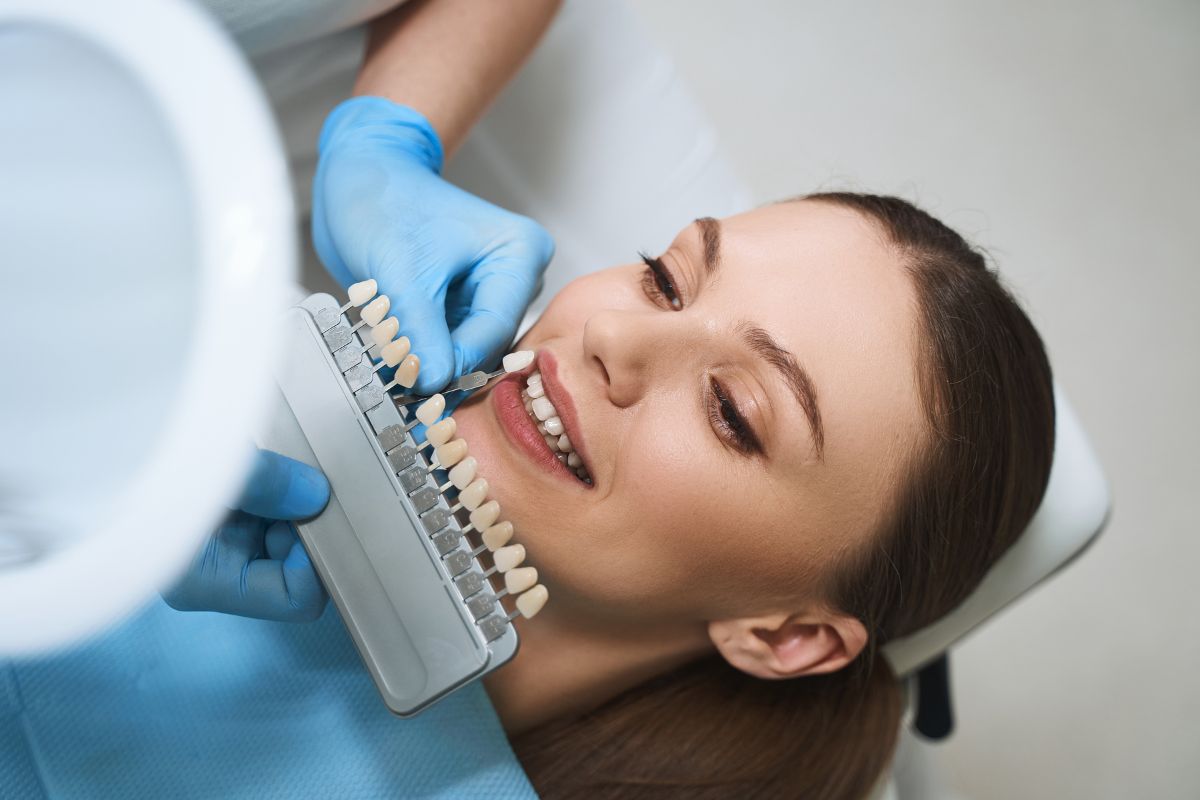
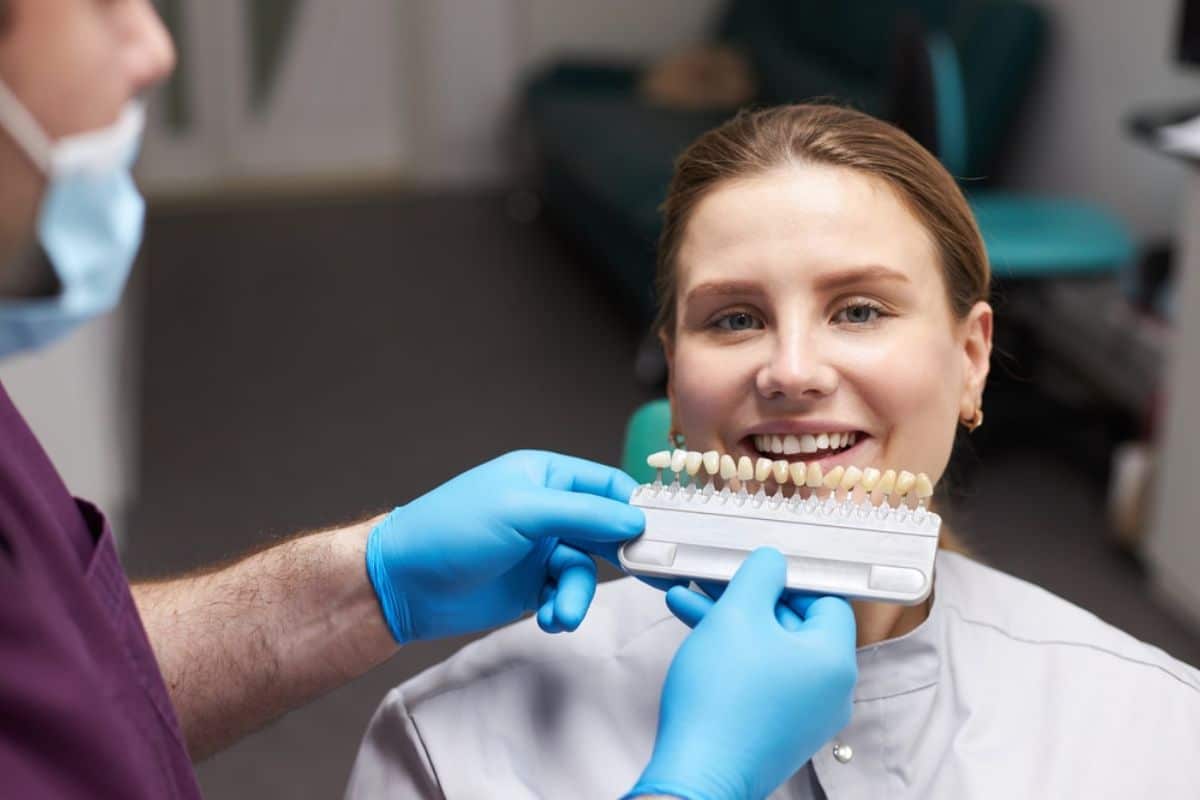
Minor Misalignments: For slight bite issues, cosmetic procedures like dental veneers or crowns can sometimes improve the appearance of alignment. For example, veneers can be used to create the illusion of straighter teeth, masking minor gaps or overlaps. However, it is important to understand that this does not change the function of the bite.
Combined Approach: In many cases, a combination of orthodontic treatment (like braces or clear aligners) and cosmetic dentistry is the best solution. Orthodontics will address the underlying bite issue, while cosmetic procedures can perfect the appearance of the teeth.
Addressing Wear and Tear: If a bad bite has caused significant wear and tear on your teeth, cosmetic dentistry can restore their shape and function. Dental crowns, for instance, can rebuild damaged teeth.
Post-Orthodontic Enhancement: After orthodontic treatment, some patients may still want to enhance the aesthetics of their smile. Teeth whitening and other cosmetic procedures can provide the finishing touches.
Statistics and Data to Consider
According to the American Academy of Cosmetic Dentistry (AACD), cosmetic dentistry has seen consistent growth in popularity. This reflects the increasing desire for aesthetically pleasing smiles.
A study published in the “Journal of Orthodontics” highlighted the importance of interdisciplinary care, demonstrating that combining orthodontic and restorative treatments often yields the best results.
The American Dental Association (ADA) emphasizes the importance of a properly functioning bite for overall oral health.
What to Do Next
If you’re concerned about your bite, here’s what you should do:
- Consult a Dentist: A thorough examination is essential to determine the extent of your bite problem and the best course of action.
- Discuss Your Options: Talk to your qualified dentist in Lafayette about the potential benefits of both orthodontic and cosmetic treatments.
- Create a Treatment Plan: Work with your dental professional to develop a comprehensive plan that addresses both the functional and aesthetic aspects of your smile.
Remember, a healthy and beautiful smile is an investment in your overall well-being. By understanding the connection between cosmetic dentistry and bite correction, you can make informed decisions about your oral health.