By Highland Creek Family Dental | June 7, 2023
Dental implants have revolutionized the field of dentistry, providing a long-lasting solution for replacing missing teeth. If you are considering implant dentistry, it is essential to understand the procedure and recovery process to make an informed decision. In this blog post, we will delve into the details of implant dentistry, including the procedure itself and what to expect during the recovery period.
What Are Dental Implants?
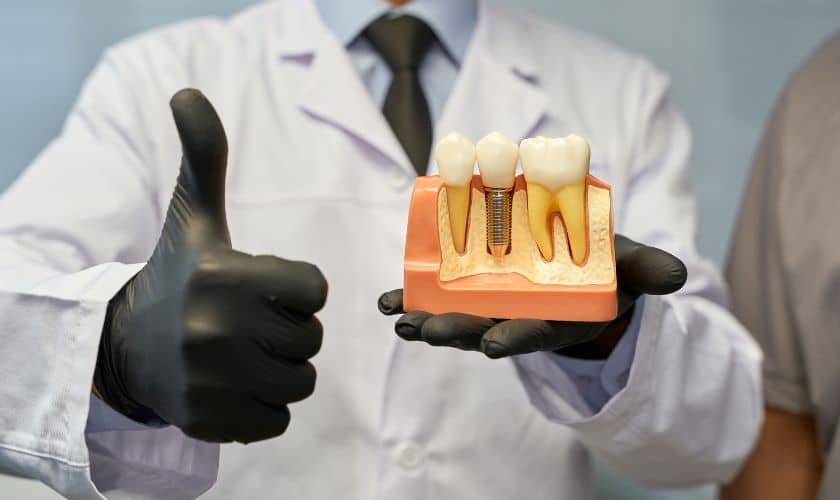
Before diving into the procedure and recovery process, let’s first understand what dental implants are. Dental implants are artificial tooth roots made of biocompatible materials, such as titanium, that are surgically placed into the jawbone. These implants serve as a sturdy foundation for replacement teeth, such as crowns, bridges, or dentures.
The Implant Dentistry Procedure:
Initial Consultation: The implant dentistry journey begins with an initial consultation with your dentist or oral surgeon. During this visit, they will evaluate your oral health, take X-rays or CT scans, and discuss your treatment options. They will also determine if you have sufficient bone density and healthy gums to support dental implants.
Implant Placement:
The next step involves the surgical placement of the dental implants. This is typically done under local anesthesia, although sedation options may be available for anxious patients. The dentist or oral surgeon will make an incision in the gum tissue to expose the jawbone and carefully drill holes to insert the implants. Afterward, the gums are stitched back into place, and a temporary restoration may be provided.
Osseointegration:
Once the implants are placed, a process called osseointegration begins. This is when the bone fuses with the implant, providing a stable and secure foundation. It usually takes several months for osseointegration to occur, during which time you will be given specific instructions to care for your implants and maintain good oral hygiene.
Abutment Placement:
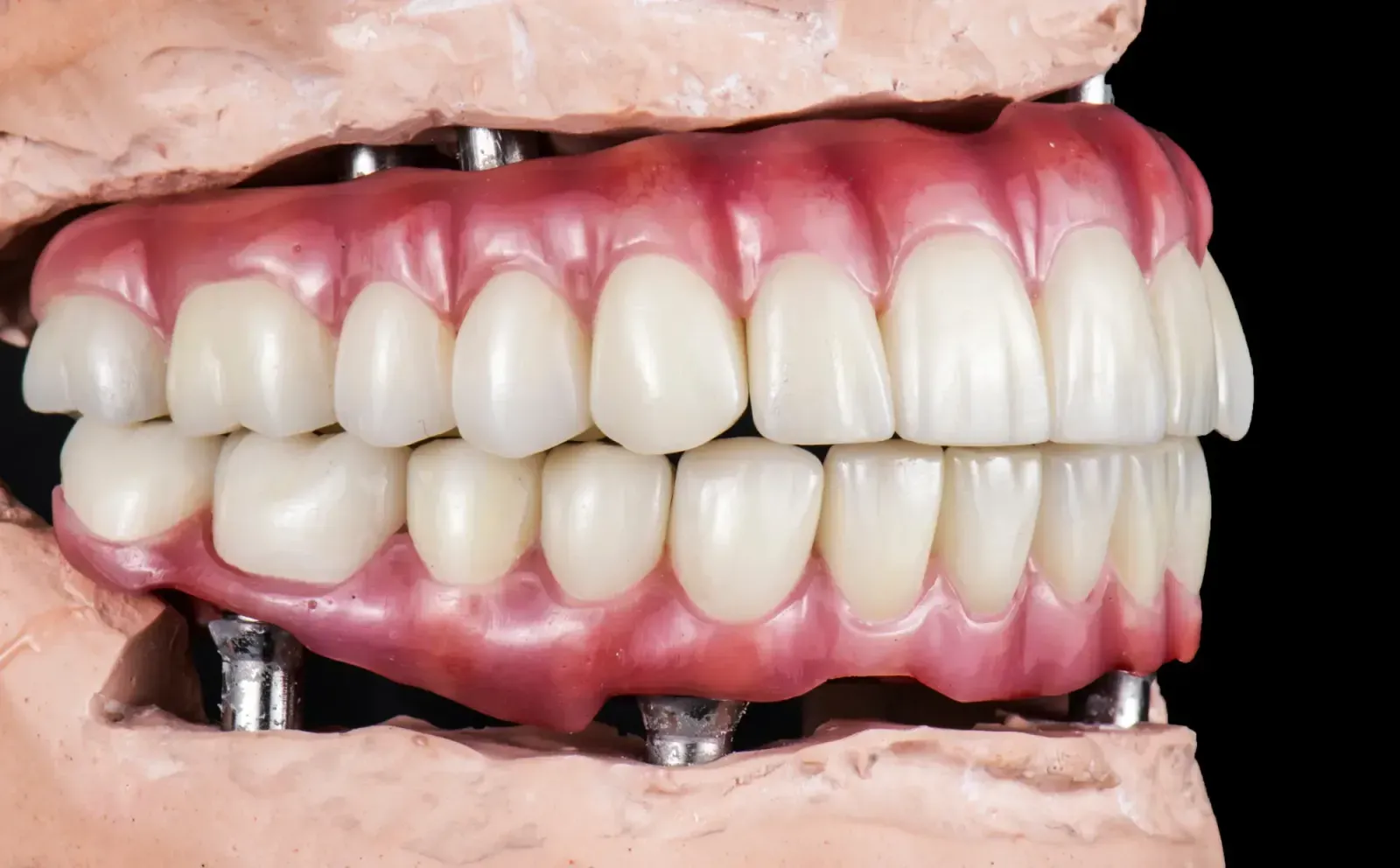
After osseointegration is complete, a second minor surgery is performed to attach the abutment to the dental implant. The abutment serves as a connector between the implant and the replacement tooth. It protrudes above the gum line and provides access for the final restoration.
Final Restoration:
Once the gums have healed, your dentist will take impressions of your mouth to create the final restoration. This could be a crown, bridge, or denture, depending on the number of missing teeth and your specific needs. The final restoration is custom-made to match the color, shape, and size of your natural teeth, providing a seamless and aesthetically pleasing result.
The Recovery Process:
Post-Surgical Care: After the implant surgery, it is important to follow your dentist’s instructions for post-surgical care. This may include taking prescribed medications, such as antibiotics or painkillers, to manage any discomfort or prevent infection. It is crucial to keep the surgical area clean by following proper oral hygiene practices and avoiding strenuous activities that could disrupt the healing process.
Healing and Osseointegration:
During the recovery period, the implant will gradually bond with the surrounding bone through osseointegration. This process typically takes several months, and it is important to be patient and allow your body to heal naturally. Regular follow-up appointments with your dentist will be scheduled to monitor the progress of osseointegration and ensure everything is on track.
Placement of the Final Restoration:
Once the osseointegration is successful and the gums have healed, the final restoration can be placed. This is an exciting moment, as it marks the completion of your implant dentistry journey. Your dentist will ensure that the final restoration fits properly and feels comfortable. They will also provide instructions on how to care for your new teeth and maintain good oral hygiene.
The Bottom Line
Implant dentistry offers a reliable and aesthetically pleasing solution for replacing missing teeth. By understanding the procedure and recovery process, you can approach implant dentistry with confidence and have realistic expectations. Remember to consult with an experienced dentist or oral surgeon who will guide you through each step and provide personalized care. With proper care and maintenance, dental implants can provide a long-lasting smile and enhance your overall oral health and quality of life.