
By Highland Creek Family Dental | May 5, 2023
Welcome to our latest blog post where we will be discussing periodontal treatment! Have you ever experienced bleeding gums while brushing or noticed a persistent bad breath? These could be signs of periodontal disease, also known as gum disease. It is essential to understand the symptoms, causes, and treatments available for this common dental condition to maintain healthy teeth and gums. So let us dive in and explore all there is to know about periodontal treatment!
What Is Periodontal Disease?
Periodontal disease, also known as gum disease, is a bacterial infection that attacks the gums and bones supporting your teeth. It starts when plaque forms on your teeth due to poor oral hygiene habits, leading to an accumulation of bacteria in the mouth. If left untreated, periodontal disease can cause damage to the soft tissue and bone supporting your teeth, leading to tooth loss.
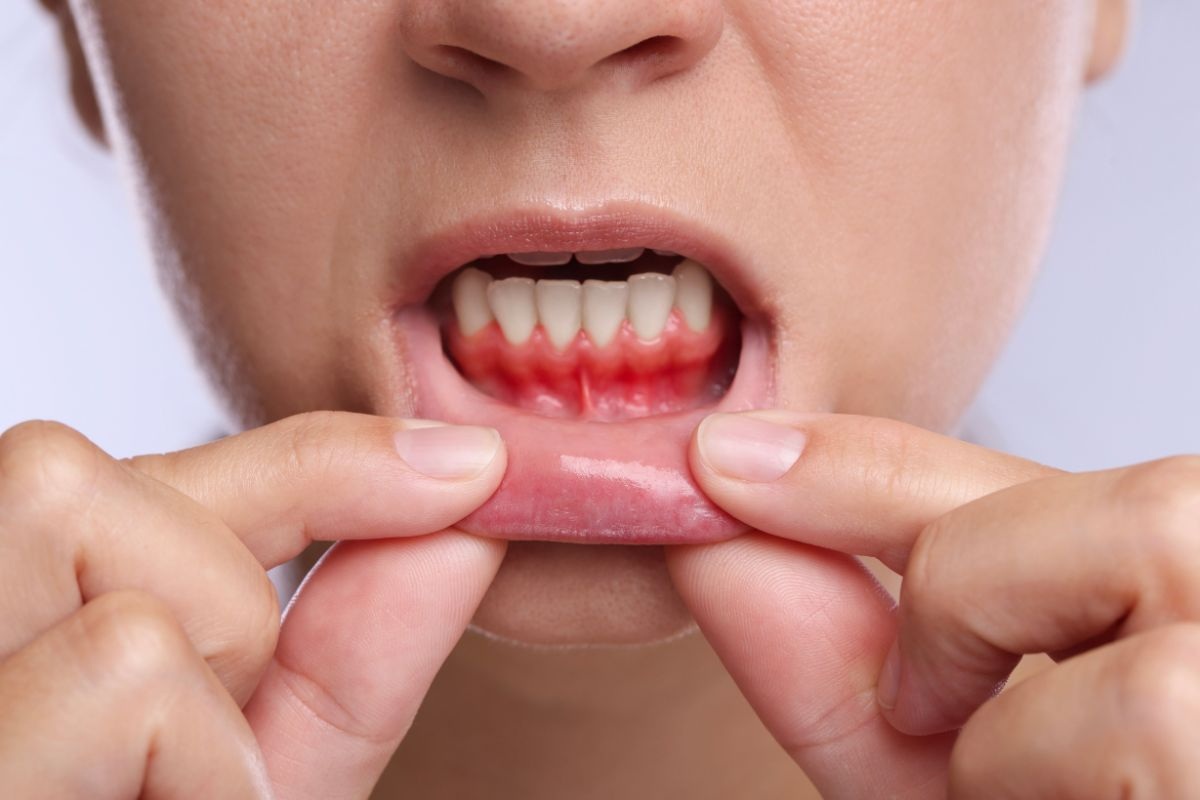
There are two main types of periodontal disease: gingivitis and periodontitis. Gingivitis is a mild form of gum disease characterized by redness and swelling of the gums; it can be reversed with proper dental care. Periodontitis is more severe and occurs when gingivitis goes untreated for too long.
Several factors increase the risk of developing periodontal disease such as smoking, genetics, hormonal changes in women during pregnancy or menopause, certain medications or medical conditions like diabetes.
If you experience any symptoms associated with gum diseases like bad breath or bleeding gums while brushing consult your dentist immediately before it worsens into something even more serious!
Symptoms Of Periodontal Disease
Periodontal disease is a serious condition affecting the gums, and it can lead to tooth loss if left untreated. The symptoms of periodontal disease vary depending on the stage of the disease.
In its early stages, periodontal disease may cause redness or swelling in the gums. Bleeding while brushing or flossing may also be an indication of this problem.
As the condition progresses, pockets can form between your teeth and gums where bacteria collect causing bad breath that you cannot eliminate with normal oral hygiene practices. In addition, your teeth might become loose over time due to bone loss caused by bacterial growth.
Advanced periodontal disease may even change how your teeth fit together when you bite down – leading to pain and discomfort during eating.
It’s essential to see a dental professional as soon as possible if you suspect that you have any symptoms related to gum problems because early detection is key when dealing with such conditions.
Causes Of Periodontal Disease
Periodontal disease, also known as gum disease, is caused by a buildup of plaque and bacteria in the mouth. The bacteria form colonies that produce toxins which cause inflammation and damage to the gums.
One of the main causes of periodontal disease is poor oral hygiene. Failure to brush and floss regularly can lead to an accumulation of food particles that provide a breeding ground for harmful bacteria.
Smoking is another major risk factor for periodontal disease. Smoking weakens the immune system making it harder for your body to fight off infections such as gum disease.
Certain medical conditions such as diabetes can also increase the risk of developing periodontal disease. Diabetes affects blood sugar levels which can weaken teeth and gums leading to tooth loss if left untreated.
Hormonal changes during pregnancy or menopause may also make women more susceptible to periodontal diseases due to increased hormonal levels and changes in saliva flow rate.
Other factors like genetics, medications, stress, poor nutrition and grinding or clenching teeth can contribute towards developing this condition too. It’s important to identify these factors early on so that effective treatments could be administered accordingly.
Treatment For Periodontal Disease
When it comes to treating periodontal disease, there are several options available depending on the severity of the condition. For mild cases, a professional cleaning by a dental hygienist may be enough to remove built-up plaque and tartar from above and below the gum line.
If the disease has progressed to a more severe stage, scaling and root planing may be necessary. This involves deep cleaning of the tooth roots under local anesthesia to remove bacteria and smooth out rough spots where bacteria can accumulate.
In some cases, surgery may be required to treat advanced periodontitis. Procedures such as flap surgery or bone grafts can help regenerate lost tissue and bone around teeth affected by gum disease.
It’s important for patients with periodontal disease to maintain good oral hygiene habits at home in addition to seeking professional treatment. This includes brushing twice daily with fluoride toothpaste, flossing daily, using an antiseptic mouthwash, and avoiding tobacco products.
By combining professional treatment with proper at-home care, individuals with periodontal disease can manage their condition effectively and prevent further damage to their gums and teeth.
Prevention Of Periodontal Disease
Prevention is the key when it comes to periodontal disease. It’s easier to prevent this condition than having to cure it in the future. Here are some tips on how you can keep your gums healthy and free from gum diseases.
Firstly, a proper oral hygiene routine should be maintained. Brushing teeth twice daily for at least two minutes can help remove plaque and bacteria that cause dental problems such as cavities and gum diseases. Flossing regularly also helps remove food particles stuck between teeth that contribute to plaque buildup.
Secondly, eating a balanced diet plays an important role in maintaining good oral health. A diet rich in vitamins C and D, calcium, and phosphorus strengthens teeth enamel while reducing inflammation of the gums.
Thirdly, avoid smoking or using tobacco products as they increase the risk of developing periodontal disease by interfering with blood flow to the gums.
Regular dental checkups are essential for detecting early signs of gum diseases before they become severe issues that require invasive treatments such as surgery.
By following these simple steps consistently over time, you will greatly reduce your chances of developing periodontal disease while keeping your mouth healthy and happy!
The Bottom Line
Periodontal disease is a serious condition that can lead to tooth loss and other health problems if left untreated. It is important for individuals to recognize the symptoms of periodontal disease and seek treatment from a dental professional as soon as possible.
Regular brushing, flossing, and dental check-ups are essential in preventing periodontal disease. Maintaining a healthy lifestyle such as avoiding tobacco use, reducing stress, and eating a balanced diet can also help prevent this condition.
Taking preventative measures such as good oral hygiene practices coupled with regular visits to the dentist for early detection of any signs of gum disease are essential in maintaining overall wellness throughout one’s life. By doing so, individuals can maintain healthy teeth and gums while preventing more serious health complications associated with advanced periodontitis like heart diseases or diabetes-related conditions which could ultimately impact their quality of life.