
By Highland Creek Family Dental | October 29, 2026
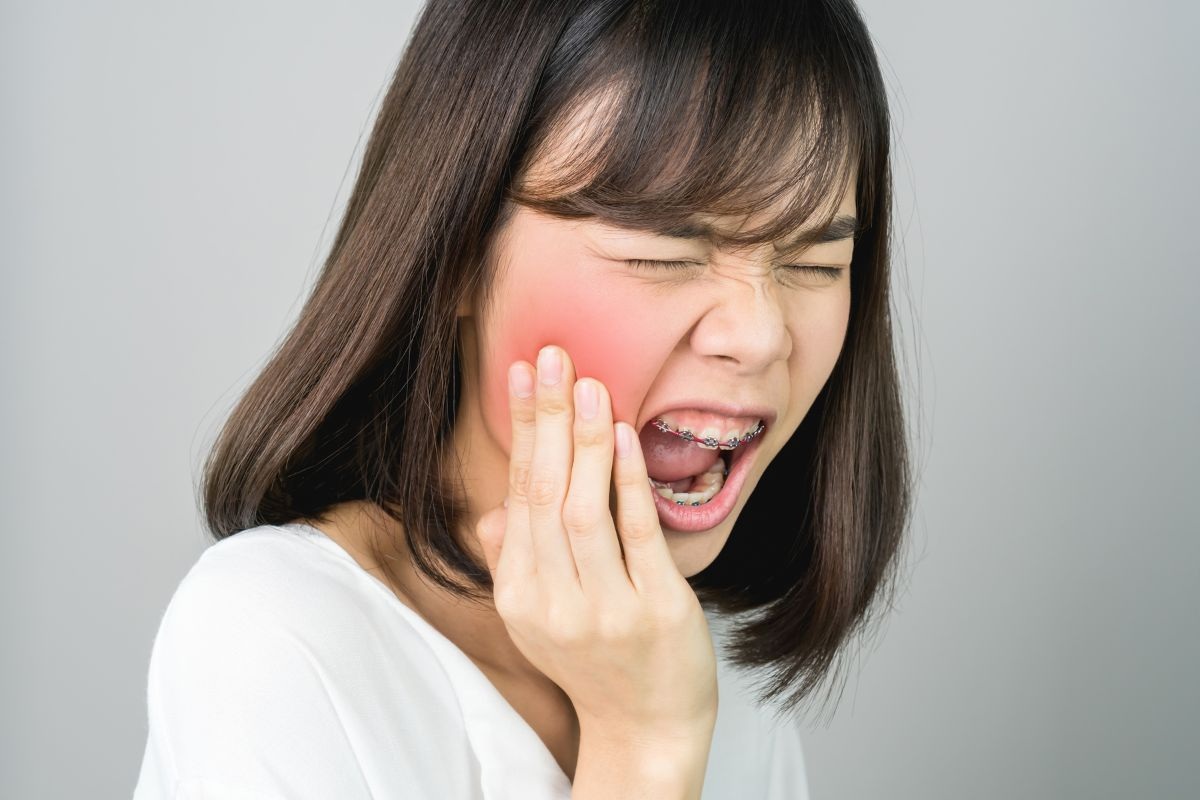
Have you ever taken a bite of your favorite food and noticed an uncomfortable ache near your ear, temple, or jaw? If chewing has become painful, the problem may involve your temporomandibular joints (TMJs), the joints that connect your lower jaw to your skull.
Occasional jaw discomfort can have several causes, including muscle tension, teeth grinding, dental problems, or a temporomandibular disorder (TMD). Understanding what might be behind the pain can help you decide what to do next. If symptoms persist, learning about TMJ therapy in Lafayette can help you explore evaluation and treatment options with a dental professional.
Quick Answer: Why Does My Jaw Hurt When I Chew?
TMJ pain while chewing may occur because of irritated jaw joints, overworked chewing muscles, teeth clenching, nighttime grinding, arthritis, or an injury. Symptoms can include jaw soreness, clicking, stiffness, and discomfort near the ears. Eating softer foods and avoiding gum may temporarily reduce strain, but persistent, worsening, or recurring pain should be evaluated by a healthcare professional.
What Causes TMJ Pain While Chewing?
Chewing requires coordinated movement from the jaw joints, muscles, teeth, and surrounding tissues. When one or more of these structures becomes irritated or strained, eating may trigger discomfort.
1. Temporomandibular Joint Disorders
Temporomandibular disorders, commonly called TMDs, affect the jaw joints and the muscles responsible for jaw movement. People often use the term TMJ to describe these conditions, although TMJ technically refers to the joint itself.
TMDs can cause pain when opening the mouth, chewing, speaking, or yawning. Some people also experience stiffness, limited jaw movement, or a clicking sensation.
The discomfort may be more noticeable when eating chewy foods, biting into something firm, or opening the mouth widely. However, not every clicking jaw indicates a disorder that needs treatment. Pain, reduced movement, and changes in jaw function are more important reasons to seek an evaluation.
2. Teeth Grinding or Jaw Clenching
Do you wake up with a sore jaw or notice that your teeth are tightly pressed together when concentrating? Teeth grinding and clenching, known as bruxism, can place repeated stress on the jaw muscles and joints.
Over time, this strain may contribute to muscle tenderness, headaches, tooth sensitivity, and discomfort while chewing. Some people grind their teeth during sleep without realizing it.
A dentist can examine your teeth for signs of wear and assess whether clenching or grinding may be contributing to your symptoms.
3. Overworked Jaw Muscles
Just like other muscles, the muscles used for chewing can become tired or sore. Chewing gum for extended periods, eating large amounts of tough food, or repeatedly clenching your jaw may aggravate these muscles.
Stress may also contribute to unconscious jaw tension. If the discomfort develops after a long meal or a period of clenching, muscle strain may be one possible explanation.
Resting the jaw and temporarily choosing foods that require less chewing may help. However, ongoing pain should not automatically be attributed to stress or muscle fatigue.
4. Arthritis or Changes Within the Joint
The temporomandibular joints can be affected by arthritis and other changes in the joint structures. Depending on the cause, these changes may lead to pain, stiffness, tenderness, or difficulty moving the jaw.
Symptoms may become more noticeable when chewing or opening the mouth after a period of rest. A dental or medical professional can determine whether further assessment is needed.
5. Dental Problems or Jaw Injury
Not every instance of jaw pain comes from a TMJ disorder. A cracked tooth, tooth decay, gum infection, or dental abscess can cause pain that becomes more noticeable when biting or chewing.
An injury to the face or jaw may also damage the joint or surrounding tissues.
Pay attention to where the discomfort occurs. Pain focused on one tooth, sensitivity to hot or cold, swollen gums, or facial swelling may point toward a dental problem rather than a primary TMJ condition. A professional examination is the best way to distinguish between these possibilities.
Other TMJ Disorder Symptoms to Watch For
Chewing-related pain is only one possible sign of a temporomandibular disorder. Other symptoms may include:
- Clicking, popping, or grinding sounds when moving the jaw.
- Tenderness around the jaw, temples, or in front of the ears.
- Jaw stiffness, particularly after waking up.
- Discomfort when opening the mouth widely.
- Difficulty opening or closing the mouth normally.
- Headaches or facial muscle soreness.
- A jaw that occasionally catches or locks.
These symptoms do not confirm a TMJ disorder on their own. For example, jaw sounds without pain or restricted movement can occur in people who do not need treatment.
If you’re experiencing several of these TMJ disorder symptoms, especially alongside persistent chewing pain, arrange an evaluation to identify the likely cause.
How to Relieve TMJ Pain While Chewing
Mild jaw discomfort may improve when you temporarily reduce strain on the joint and muscles. The following measures may help while you monitor your symptoms.
Choose Softer Foods
Try foods that require less chewing, such as yogurt, scrambled eggs, oatmeal, soft-cooked vegetables, or tender fish. Cut food into smaller pieces and avoid forcing your mouth open to take large bites.
You do not necessarily need to follow a restrictive diet. The goal is to avoid foods that clearly aggravate your pain until you understand what’s causing it.
Avoid Gum and Very Chewy Foods
Chewing gum, tough meats, hard candy, and other foods that require sustained effort can increase the workload on the jaw. Temporarily avoiding them may help reduce irritation.
Apply a Warm or Cold Compress
A comfortably warm compress may help relax tense jaw muscles. Some people prefer a cold pack wrapped in a cloth for short periods to ease discomfort. Choose whichever feels better, and avoid placing extreme heat or ice directly against your skin.
Be Mindful of Clenching
Keep your jaw relaxed when you are not eating. Try to avoid holding your teeth tightly together, biting your nails, or resting your chin in your hand for extended periods.
If stress seems to increase your jaw tension, regular breaks and relaxation exercises may be useful additions to your routine.
Avoid Unsupervised Jaw Exercises
Not every TMJ problem responds to the same exercises. Aggressive stretching or repeatedly forcing the jaw to click may aggravate symptoms. Ask a qualified professional whether specific exercises are appropriate for your situation.
These steps may provide temporary relief, but they do not replace an evaluation when pain continues or interferes with normal activities.
When Should You See a Dentist for Jaw Pain?
Consider arranging a dental evaluation if jaw pain keeps returning, lasts more than a few days, becomes more noticeable while eating, or interferes with your ability to chew comfortably.
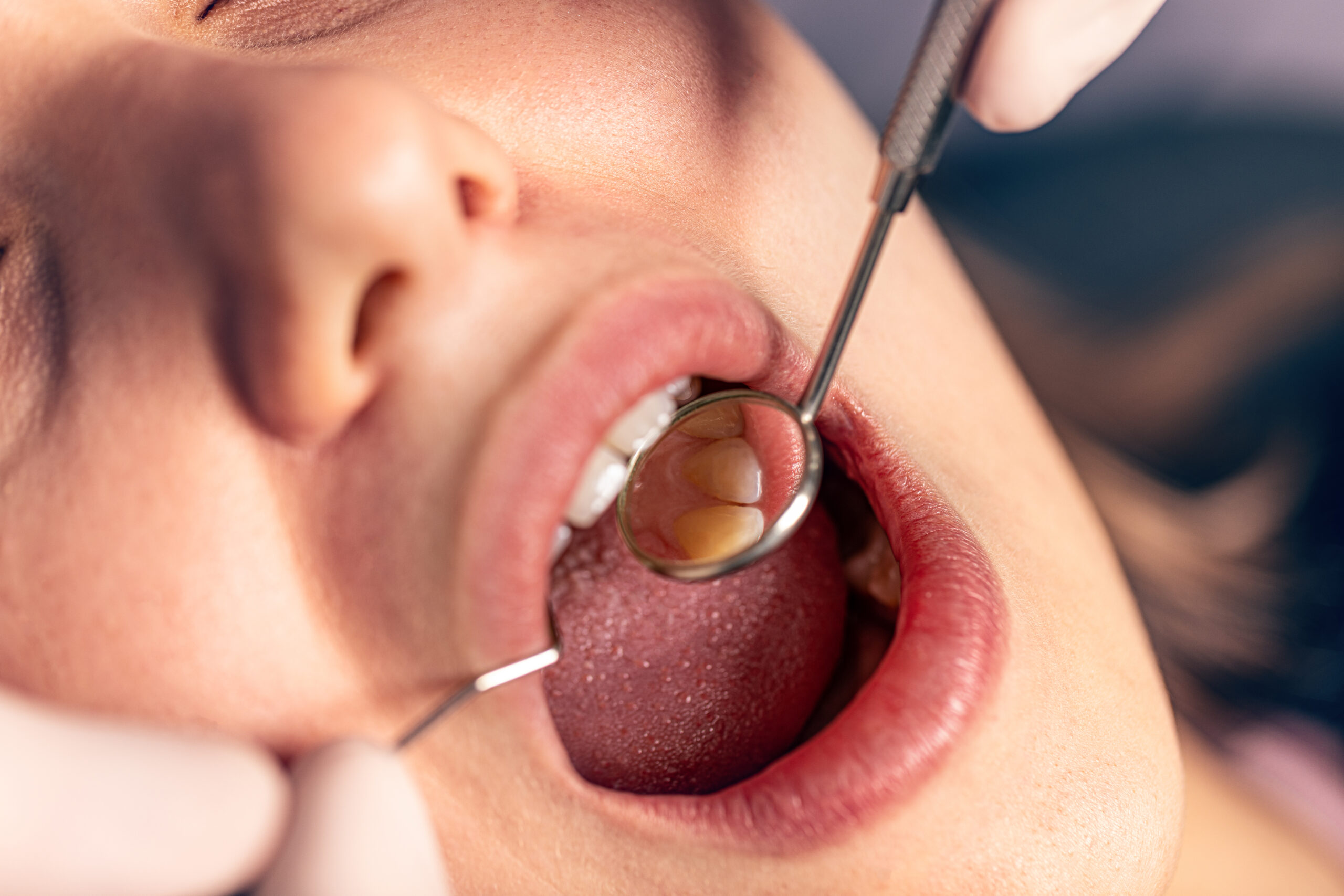
A dentist may examine your teeth, jaw movement, bite, and surrounding muscles. Depending on the findings, additional imaging or referral to another healthcare professional may be appropriate.
Seek prompt medical or dental attention if you develop significant swelling, fever with dental or facial pain, or difficulty opening your mouth. Trouble breathing or swallowing, rapidly spreading facial swelling, or a serious jaw injury warrants emergency care.
Sudden jaw discomfort accompanied by chest pressure, shortness of breath, sweating, or pain spreading to the arm or back may signal a medical emergency rather than a TMJ problem. Call emergency services if these symptoms occur.
What TMJ Treatment Options May Help?
Treatment depends on the cause, severity, and duration of your symptoms. Many cases can initially be managed with conservative measures rather than invasive procedures.
A professional may recommend:
- Self-care adjustments: Temporary dietary changes, jaw rest, and avoiding habits that strain the joint.
- Management of teeth grinding: Depending on your needs, a dentist may discuss a custom oral appliance to help protect the teeth.
- Targeted exercises or physical therapy: Selected patients may benefit from professionally guided exercises or therapy to improve jaw function.
- Treatment of an underlying dental problem: If a tooth or gum condition is responsible, addressing that issue may be the priority.
- Additional evaluation: Persistent or complex symptoms may require imaging or referral to a clinician with relevant expertise.
No single approach works for every person, and treatment should be based on the findings of an individual evaluation.
At Highland Creek Family Dental, patients in Lafayette, Indiana, can explore the practice’s TMJ treatment services in East Lafayette to learn more about available care and discuss their concerns.
Frequently Asked Questions
1. Why does my jaw hurt when I chew but not when I rest?
Chewing activates the jaw muscles and joints, so discomfort may appear only when those structures are working. Possible causes include muscle strain, a TMJ disorder, teeth grinding, or a dental problem. An examination can help identify the cause.
2. Can TMJ pain while chewing go away on its own?
Mild symptoms sometimes improve with temporary jaw rest and other conservative measures. However, recurring, persistent, or worsening pain deserves professional evaluation, particularly if it affects eating or jaw movement.
3. Should I stop eating solid foods if I have TMJ pain?
You may benefit from choosing softer foods temporarily and avoiding items that worsen your symptoms. A highly restrictive diet is not usually necessary without a specific reason. If you cannot chew adequately or your symptoms are worsening, seek professional advice.
4. Does jaw clicking always mean I have TMJ disorder?
No. Clicking or popping can occur without pain or impaired movement. Clicking accompanied by persistent discomfort, locking, or difficulty opening the mouth is a stronger reason to seek an evaluation.
5. Can a dentist help with TMJ pain?
Yes. A dentist can assess whether your symptoms may involve the jaw joints, chewing muscles, teeth, or gums. Depending on the findings, the dentist may recommend conservative care, appropriate treatment, or referral to another professional.
Conclusion: Don’t Ignore Persistent Jaw Pain
TMJ pain while chewing can make ordinary activities, from enjoying a meal to speaking comfortably, more difficult. Muscle tension, clenching, joint irritation, and dental problems are among the possible causes, so identifying the source matters more than simply masking the discomfort.
Start by reducing activities that aggravate your jaw, choosing comfortable foods, and avoiding excessive chewing. If the pain persists, returns frequently, or limits your jaw movement, seek a professional evaluation.
If you’re experiencing jaw discomfort in Lafayette, IN, contact Highland Creek Family Dental to discuss your symptoms and whether an evaluation for TMJ-related concerns may be appropriate.