
By Highland Creek Family Dental | October 29, 2026
A dental bridge can restore your smile, make chewing easier, and fill the gap left by one or more missing teeth. But if you already have a bridge or are considering getting one, you probably have an important question: How long will it last?
The answer depends on several factors, including the material used, the condition of your supporting teeth, and how well you care for your restoration. If you are exploring dental bridges in Lafayette, understanding what affects their lifespan can help you make informed decisions about your oral health and long-term dental care.
At Highland Creek Family Dental, patients can discuss their restorative options with a dental professional and learn how to maintain a bridge for as long as possible.
How Long Do Dental Bridges Last?
A dental bridge typically lasts around 5 to 15 years, although some can last longer with proper care. There is no guaranteed lifespan because every patient’s oral health, habits, and restoration are different.
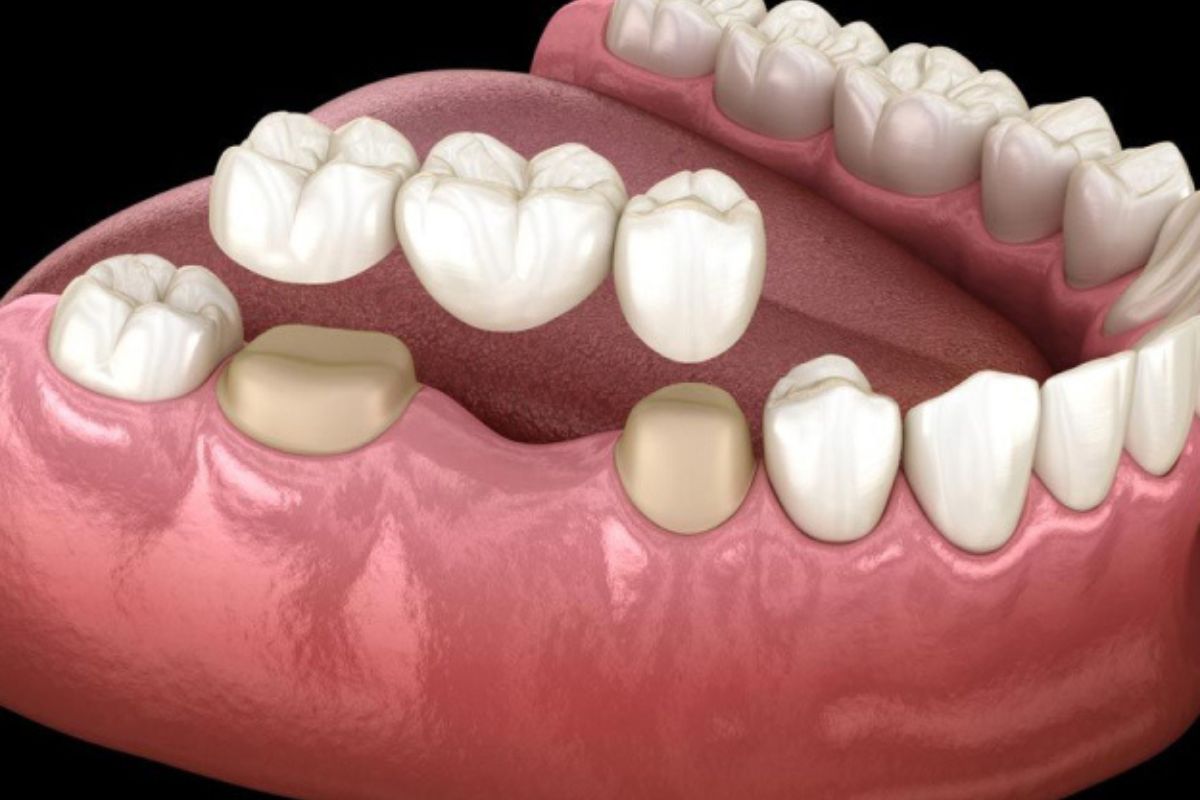
A bridge replaces one or more missing teeth with artificial teeth supported by neighboring natural teeth or dental implants. Traditional bridges commonly use crowns attached to the teeth on either side of the gap to hold the replacement tooth in place.
Although a dental bridge is considered a fixed restoration, it is not necessarily permanent for life. The supporting teeth can develop decay, the gums can change, and the bridge itself can become worn or damaged over time.
Regular dental examinations help your dentist monitor these changes and determine whether your bridge remains in good condition.
What Factors Affect a Dental Bridge’s Lifespan?
Several factors influence how long your dental bridge will remain functional.
1. Daily Oral Hygiene
Plaque and food particles can collect around the supporting teeth and beneath the artificial tooth. If these areas are not cleaned properly, bacteria may contribute to tooth decay and gum disease.
Because a bridge connects multiple teeth, cleaning around it requires extra attention. Brushing alone may not remove debris from beneath the replacement tooth.
2. The Health of Supporting Teeth and Gums
Traditional bridges rely on supporting teeth, often called abutment teeth. If these teeth develop cavities, cracks, or other problems, the bridge may lose its stability.
Healthy gums also matter. Gum inflammation or periodontal disease can affect the tissues supporting your teeth and complicate long-term bridge maintenance.
3. The Material and Fit of the Bridge
Dental bridges can be made from different materials, including porcelain, ceramic, and metal-based combinations. Each material has different properties related to appearance, strength, and wear.
The bridge’s fit and bite alignment also matter. A poorly fitting restoration or excessive pressure on certain areas may contribute to discomfort or damage. Your dentist can assess which material and design are appropriate for your situation.
4. Everyday Habits
Chewing ice, biting hard objects, and using your teeth to open packaging can put unnecessary stress on a dental bridge. Teeth grinding and clenching may also increase the risk of wear or fractures.
If you grind your teeth during sleep, ask your dentist whether a protective night guard may be appropriate.
6 Tips to Help Your Dental Bridge Last Longer
You cannot prevent every dental problem, but consistent care can help protect your bridge and the natural teeth supporting it.
1. Brush Twice a Day
Brush your teeth twice daily using a soft-bristled toothbrush and fluoride toothpaste. Pay attention to the gumline and the areas surrounding the bridge.
Use gentle, thorough movements rather than scrubbing aggressively. This helps remove plaque without unnecessarily irritating your gums.
2. Clean Under the Bridge Every Day
One of the most important steps in dental bridge care is cleaning underneath the artificial tooth.
A regular toothbrush cannot reach every surface beneath the bridge. Depending on your restoration, you may find these tools helpful:
- Floss threaders: Guide dental floss underneath the bridge.
- Interdental brushes: Clean accessible spaces between teeth and around the restoration.
- Water flossers: Help flush food debris and plaque from difficult-to-reach areas.
Ask your dentist which method is best for your bridge and how to use it correctly.
3. Choose Foods That Are Easier on Your Bridge
You generally do not need to follow a special diet indefinitely after a bridge has been placed. However, avoiding habits that put excessive force on the restoration can help protect it.
Be cautious with very hard foods, sticky candies, and chewy items that may pull on the bridge or place excessive pressure on supporting teeth.
Cut harder foods into smaller pieces when appropriate, chew carefully, and follow any specific dietary instructions your dentist provides after treatment.
4. Keep Up With Dental Checkups
Regular dental visits allow your dentist to examine your bridge, assess your gums, and check the supporting teeth for signs of decay or damage.
Professional cleanings can also help remove hardened plaque that brushing and flossing cannot eliminate.
Your ideal appointment schedule depends on your oral health. Many patients benefit from checkups every six months, while others may need more frequent visits.
5. Avoid Using Your Teeth as Tools
Opening packages, biting fingernails, and chewing pens can place unnecessary stress on both natural teeth and dental restorations.
Avoid these habits to reduce the risk of chips, cracks, and other damage. If you notice yourself clenching your jaw during stressful situations, try to become more aware of the habit and discuss persistent clenching with your dentist.
6. Address Dental Problems Early
Do not ignore bleeding gums, persistent sensitivity, discomfort while chewing, or changes in how your bridge feels.
Early evaluation may help identify problems before they become more complicated. If you have a history of gum disease or tooth decay, your dentist may also recommend a more personalized preventive care routine.
Signs Your Dental Bridge May Need Attention
Even with excellent care, a bridge may eventually require repair or replacement. Knowing what to watch for can help you seek treatment promptly.
Contact your dentist if you notice:
- A bridge that feels loose or moves when you chew.
- Cracks, chips, or visible damage.
- Pain or discomfort when biting down.
- Persistent sensitivity around the supporting teeth.
- Red, swollen, or bleeding gums near the bridge.
- Food repeatedly becoming trapped around the restoration.
- An unpleasant taste or odor that persists despite cleaning.
These symptoms do not automatically mean your bridge needs replacement. For example, discomfort could have several causes, including an issue with the supporting tooth or your bite.
If your bridge becomes loose, do not attempt to glue it back into place yourself. Contact your dentist for guidance. Seek prompt care if you experience significant pain, swelling, or signs of infection.
Can a Dental Bridge Be Repaired or Does It Need Replacement?
That depends on the problem and the condition of the surrounding teeth and gums.
If you are considering a dental bridge but feel nervous about the procedure, understanding whether getting a dental bridge is painful can help you feel more prepared and know what to discuss with your dentist.
Minor damage may sometimes be repairable, but a bridge with significant structural damage or compromised supporting teeth may need replacement. Your dentist will examine the restoration and may recommend dental imaging to evaluate the underlying structures.
Replacement may also be appropriate when the bridge no longer fits properly or decay affects a supporting tooth.
If you are comparing options for replacing missing teeth, a dental consultation can help you understand whether a traditional bridge or another restoration is suitable for your needs.
Frequently Asked Questions
Can a dental bridge last 20 years?
Yes, some dental bridges may last 20 years or longer, but this is not guaranteed. The outcome depends on the restoration’s design, the condition of the supporting teeth and gums, and the patient’s oral hygiene and habits.
How do I know when my dental bridge needs replacing?
Looseness, visible damage, persistent pain, or problems with the supporting teeth may indicate that your bridge needs evaluation. A dental examination is necessary to determine whether repair or replacement is appropriate.
Can I floss normally with a dental bridge?
You can and should clean between your natural teeth, but a traditional bridge may prevent ordinary floss from passing directly underneath the replacement tooth. A floss threader, interdental brush, or water flosser may help clean this area.
Does a dental bridge need special cleaning?
Yes. In addition to brushing twice daily and cleaning between your teeth, you need to remove plaque and food debris from beneath the bridge. Your dentist can demonstrate a cleaning technique suited to your restoration.
Is it normal for a dental bridge to feel loose?
A properly fitted bridge should not feel loose. If yours moves, rocks, or suddenly feels different, contact your dentist rather than waiting for your next routine appointment.
Protect Your Smile With Consistent Dental Bridge Care
A dental bridge can serve you for many years, but its longevity depends on more than the restoration itself. Daily brushing, cleaning beneath the bridge, thoughtful eating habits, and regular dental checkups all help protect the bridge and the teeth supporting it.
If you have questions about your current bridge or are considering replacing missing teeth, Highland Creek Family Dental can help you explore your options.
Patients in Lafayette, Indiana, can contact Highland Creek Family Dental to discuss their restorative dental needs or schedule an evaluation.