By Highland Creek Family Dental | September 17, 2026
Jaw pain can be easy to dismiss, especially when it comes and goes. You might notice a clicking sound while eating, wake up with a sore jaw, or develop a headache without realizing that your jaw could be involved.
Temporomandibular disorders (TMDs), often referred to generally as “TMJ,” include a group of conditions affecting the jaw joints and the muscles involved in chewing. If you’re experiencing recurring discomfort or changes in how your jaw moves, understanding common TMJ disorder symptoms can help you decide when it may be worth talking with a dental professional. If symptoms are interfering with eating, speaking, or everyday comfort, exploring TMJ treatment in Lafayette can be an appropriate next step.
Quick Answer:
Common TMJ disorder symptoms include jaw pain or tenderness, facial or ear-area pain, jaw stiffness, painful clicking or popping, difficulty chewing, limited jaw movement, jaw locking, headaches, neck discomfort, and changes in how the teeth fit together. Not everyone experiences the same symptoms, and jaw clicking without pain or limited movement does not necessarily indicate a disorder.
10 TMJ Disorder Symptoms You Should Not Ignore
1. Jaw Pain or Tenderness
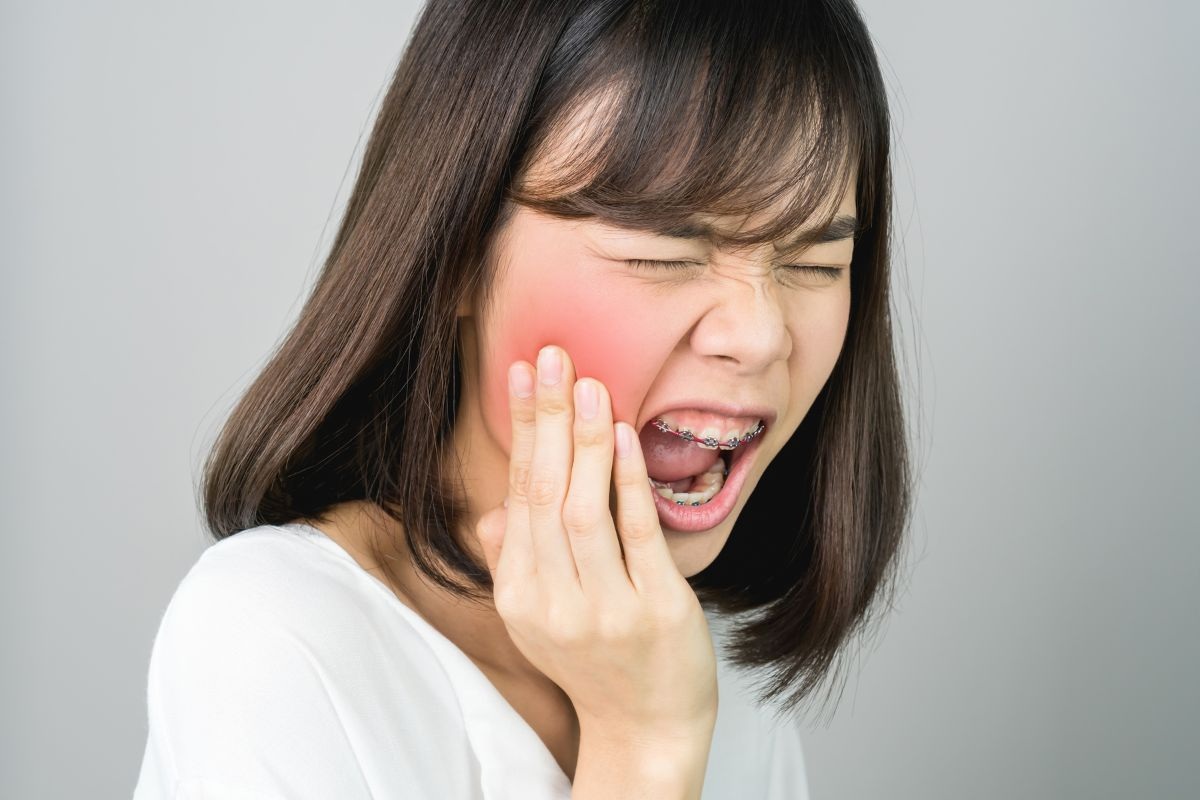
Pain around the jaw joint is one of the most recognizable signs of a temporomandibular disorder. You may feel discomfort directly in front of your ears, along the jawbone, or in the muscles used for chewing.
The discomfort may become more noticeable when you chew, yawn, talk for extended periods, or open your mouth widely.
2. Pain Around the Ear
Because the temporomandibular joints are located just in front of the ears, jaw problems can sometimes cause aching around the ear area.
This can be confusing because ear-area discomfort does not automatically mean there is an ear problem. Pain can have several possible causes, so persistent symptoms deserve appropriate evaluation rather than self-diagnosis.
3. Painful Clicking, Popping, or Grating
Hearing your jaw click or pop when you open and close your mouth can be concerning, but the sound itself does not necessarily mean something is wrong.
NIDCR notes that clicking or popping without pain is common and generally does not require treatment. The situation is different when the sound occurs alongside pain, tenderness, limited movement, or other jaw problems.
4. Jaw Stiffness
Does your jaw feel tight or stiff when you wake up or after eating?
Jaw stiffness can make ordinary movements feel uncomfortable. Some people notice that opening their mouth fully feels difficult, while others experience stiffness that comes and goes.
If stiffness repeatedly affects normal jaw movement, mention it during a dental evaluation.
5. Difficulty Opening or Closing Your Mouth
A healthy jaw should allow you to open and close your mouth comfortably. Limited movement can be one of the more noticeable symptoms of TMJ disorder.
In some cases, the jaw may even lock temporarily in an open or closed position. Difficulty opening or closing the mouth completely warrants professional attention, particularly when it occurs with significant pain.
6. Pain or Difficulty When Chewing
Chewing should not regularly cause jaw pain.
If eating tougher or chewy foods makes your jaw ache, or you find yourself avoiding certain foods because chewing is uncomfortable, your jaw muscles or joints may need to be evaluated.
However, chewing discomfort can have other dental or medical causes as well, so it should not automatically be attributed to TMJ disorder.
7. Headaches
Recurring headaches can sometimes occur alongside TMD, particularly when jaw muscles or joints are painful.
That does not mean every headache is caused by a TMJ problem. Headaches have many potential causes. But if headaches occur together with jaw tenderness, jaw stiffness, painful clicking, or difficulty chewing, tell your dentist about the combination of symptoms.
8. Facial or Neck Pain
TMJ-related discomfort is not always limited to the jaw joint.
Some people experience pain that extends into nearby areas of the face or neck. NIDCR lists pain that spreads to the face or neck among possible TMD symptoms.
If facial or neck discomfort is persistent or unexplained, a professional evaluation can help determine whether the jaw may be contributing or whether another cause needs to be considered.
9. Tooth Pain Alongside Jaw Symptoms
Tooth pain does not necessarily mean you have a dental problem with the tooth itself.
Mayo Clinic lists tooth pain occurring alongside jaw tenderness among possible TMJ disorder symptoms. Still, tooth pain can also result from cavities, cracks, infection, gum problems, or other conditions.
For that reason, new tooth pain should not simply be labeled as TMJ-related without an appropriate examination.
10. A Change in How Your Teeth Fit Together
Have you noticed that your bite suddenly feels different?
A change in how the upper and lower teeth come together can be associated with TMD. NIDCR includes changes in the way the upper and lower teeth fit together among possible signs.
A noticeable bite change is worth mentioning to your dentist, particularly if it occurs alongside jaw pain, stiffness, or restricted movement.
What Causes TMJ Disorders?
There isn’t always one simple cause.
TMDs include many different conditions involving the jaw joints, chewing muscles, and surrounding tissues. Possible contributing factors can include jaw injury, arthritis, teeth clenching or grinding, and other factors. In many cases, the exact cause is difficult to determine.
This is one reason why an individualized evaluation matters. Two people can have similar symptoms but require different approaches.
When Should You See a Dentist for TMJ Symptoms?
Occasional jaw sounds without pain are not necessarily a reason for concern. Many TMD symptoms are temporary and may improve without treatment.
Consider scheduling an evaluation if you have:
- Persistent or recurring jaw pain
- Pain when chewing or opening your mouth
- Painful clicking or popping
- Increasing jaw stiffness
- Difficulty opening or closing your mouth
- Jaw locking
- Facial, ear-area, or neck pain occurring with jaw symptoms
- A noticeable change in your bite
Seek prompt medical or dental attention if you suddenly develop significant jaw pain or cannot open or close your jaw completely.
How Are TMJ Disorders Evaluated?
There isn’t one universal test that identifies every TMD. A dental or medical professional may review your symptoms and medical history and examine your jaw, face, and neck. They may check jaw movement, tenderness, and joint sounds.
Depending on the situation, imaging such as dental X-rays, CT, or MRI may be considered. The appropriate evaluation depends on the symptoms and suspected cause.
Importantly, jaw or facial pain can have causes unrelated to TMD. A proper evaluation helps avoid assuming that every headache, toothache, or jaw sound is caused by TMJ disorder.
What Can You Do About TMJ Symptoms?
Treatment depends on the type and severity of the problem. Because many TMD symptoms can improve without invasive treatment, conservative approaches are often considered first.
Depending on the individual situation, a dental professional may discuss measures such as temporarily choosing softer foods, avoiding excessive gum chewing, reducing jaw-clenching habits, or other appropriate therapies. For additional information about possible approaches to managing jaw discomfort, you can explore TMJ relief and treatment options in Lafayette. Treatment should be based on the underlying problem rather than simply the presence of a clicking sound.
If symptoms persist or interfere with your daily activities, a dental evaluation can help determine whether further treatment is appropriate.
FAQs
Can TMJ disorder cause headaches?
Yes. Headaches can occur with TMD, particularly when jaw muscles or joints are involved. However, headaches have many possible causes, so they should not automatically be attributed to TMJ disorder.
Is jaw clicking always a sign of TMJ disorder?
No. Clicking or popping without pain or restricted jaw movement is common and may not require treatment. Painful clicking, locking, or limited movement is more concerning and should be evaluated.
Can TMJ disorder cause ear pain?
TMD can cause aching around the ear area because of the location of the temporomandibular joint. However, ear-area pain can have other causes, so persistent symptoms should be evaluated rather than assumed to be TMJ-related.
When should I see a dentist for jaw pain?
Consider an evaluation when jaw pain is persistent, recurring, affects chewing or mouth opening, or occurs with symptoms such as painful clicking or jaw locking. Sudden significant pain or an inability to open or close the jaw completely warrants prompt attention.
Do all TMJ symptoms require treatment?
No. Some TMD symptoms are temporary and improve without treatment. When symptoms persist, a dental or medical professional can help determine whether treatment is appropriate and what approach fits the underlying problem.
Conclusion
Recognizing TMJ disorder symptoms can help you know when a minor jaw annoyance may deserve closer attention. Jaw pain, stiffness, painful clicking, restricted movement, chewing discomfort, headaches, and other related symptoms can occur with TMD, but they can also overlap with other conditions.
If jaw discomfort is persistent, worsening, or affecting your everyday activities, consider discussing it with a dental professional. Highland Creek Family Dental serves patients in Lafayette, Indiana, and can evaluate your concerns and discuss appropriate next steps based on your individual needs.
You can also see what patients are saying on Google when researching a local dental office and deciding where to schedule an evaluation.