By Highland Creek Family Dental | June 11, 2026
Missing teeth can affect more than just your smile. They can make eating difficult, impact your speech, and even affect your confidence. If you’re exploring tooth replacement options, you may be wondering whether you’re a good candidate for dental implants.
Dental implants are one of the most reliable and natural-looking ways to replace missing teeth. However, not everyone is an immediate candidate. Several factors determine whether implant treatment is the right choice for your oral health needs.
If you’re considering dental implants in Lafayette, understanding these signs can help you decide when it’s time to schedule a consultation.
Quick Answer
A good candidate for dental implants typically has one or more missing teeth, healthy gums, adequate jawbone support, and good overall health. Patients who practice proper oral hygiene and are committed to maintaining their dental health often experience the best long-term implant outcomes.
What Are Dental Implants?
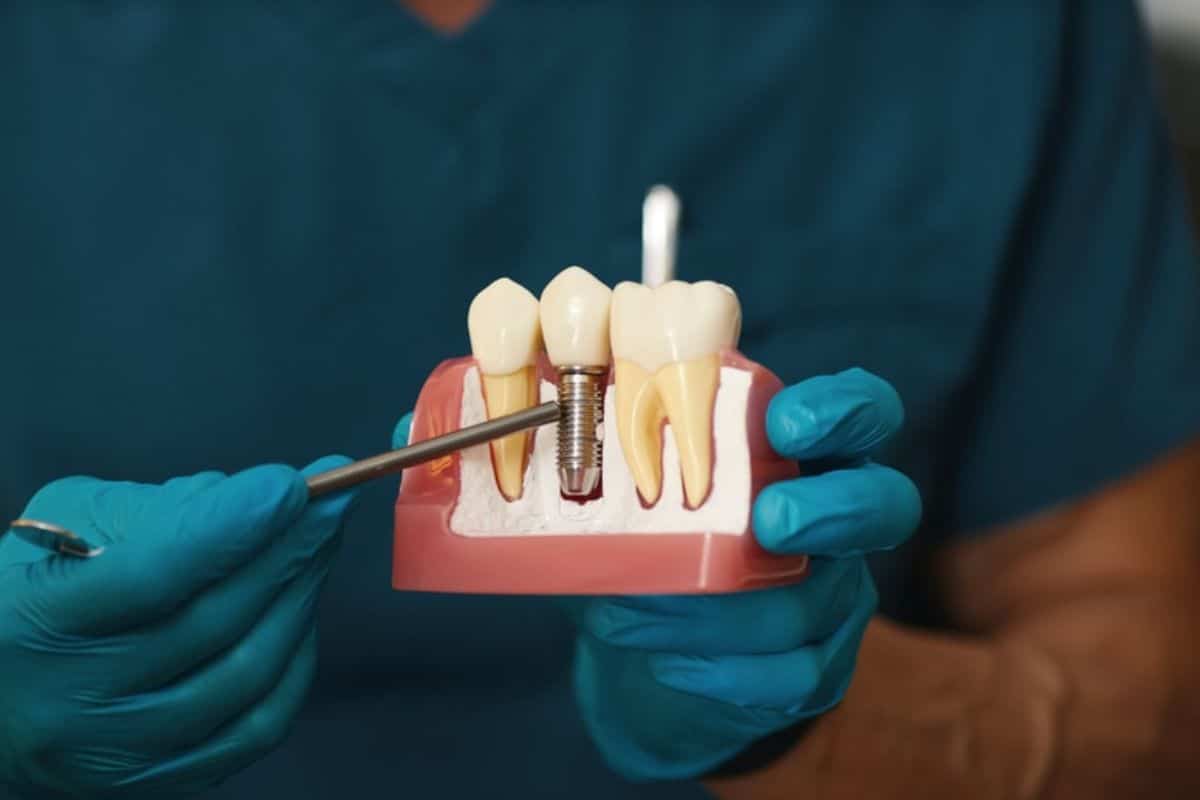
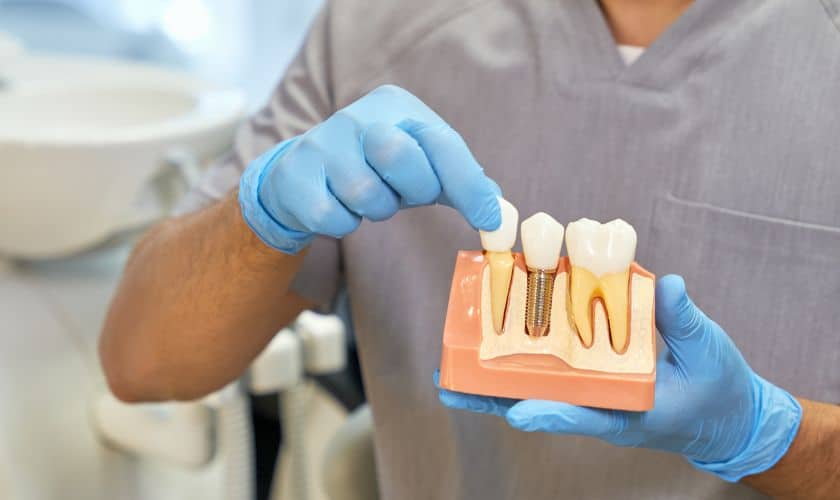
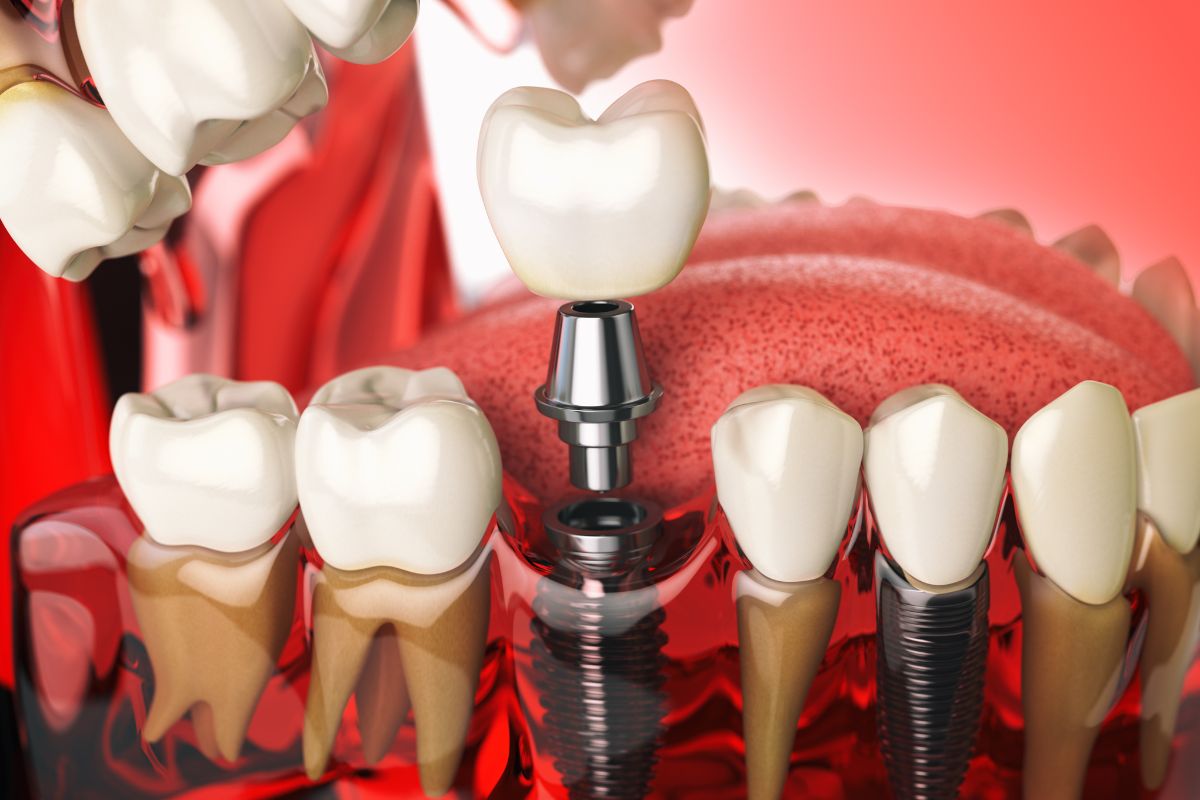
Dental implants are artificial tooth roots made from biocompatible titanium or similar materials. The implant is placed into the jawbone, where it fuses with the bone over time. Once healed, a custom crown, bridge, or denture is attached to restore function and appearance.
Dental implants are designed to:
- Replace missing teeth permanently
- Preserve jawbone health
- Improve chewing ability
- Restore speech clarity
- Enhance smile aesthetics
Because implants become part of the jawbone, they provide stability that traditional dentures and bridges cannot always match.
1. You Have One or More Missing Teeth
The most obvious sign that you may be a candidate for dental implants is having one or more missing teeth.
Whether you lost a tooth due to:
- Tooth decay
- Gum disease
- Injury
- Tooth extraction
Dental implants can often provide a long-lasting replacement solution.
Many patients choose implants because they look, feel, and function much like natural teeth.
2. Your Gums Are Healthy
Healthy gums play an important role in implant success.
Before implant placement, your dentist will evaluate your gum health. Active gum disease can increase the risk of complications and may interfere with healing.
Signs of healthy gums include:
- Minimal bleeding when brushing
- Firm gum tissue
- No persistent swelling
- No signs of infection
If gum disease is present, treatment may be recommended before proceeding with implant surgery.
3. You Have Adequate Jawbone Support
Dental implants rely on jawbone support to remain stable.
After tooth loss, the jawbone can gradually shrink because it no longer receives stimulation from tooth roots. During your evaluation, dental imaging helps determine whether enough bone is available to support an implant.
Even if bone loss has occurred, you may still qualify for treatment. Procedures such as bone grafting can often help rebuild support for future implants.
4. You Maintain Good Oral Hygiene
Successful implant treatment requires ongoing care.
Patients who regularly:
- Brush twice daily
- Floss consistently
- Attend routine dental visits
- Follow professional recommendations
are often excellent candidates for dental implants.
Although implants cannot develop cavities, the surrounding gums and bone still require proper care to remain healthy.
5. You’re in Good Overall Health
Your general health can affect how well your body heals after implant placement.
Many healthy adults are candidates for dental implants. However, certain medical conditions may require additional planning and evaluation.
Your dentist may discuss:
- Diabetes management
- Autoimmune conditions
- Medications affecting healing
- Smoking habits
Being honest about your medical history helps ensure the safest and most effective treatment plan.
6. You Want a Long-Term Tooth Replacement Solution
Many patients choose implants because of their durability.
Unlike some traditional tooth replacement options, dental implants are designed to last for many years when properly maintained.
Benefits may include:
- Improved comfort
- Greater chewing efficiency
- Natural appearance
- Enhanced confidence
- Bone preservation
For patients seeking a stable and long-term investment in their oral health, implants are often worth considering.
7. You’re Ready to Commit to the Treatment Process
Dental implant treatment typically involves multiple steps and healing periods.
The process may include:
Initial Consultation
Your dentist evaluates your oral health, reviews your goals, and creates a personalized treatment plan.
Implant Placement
The implant is surgically placed into the jawbone.
Healing and Integration
Over several months, the implant bonds with the surrounding bone.
Final Restoration
A custom crown, bridge, or denture is attached to complete your smile.
Patients who understand the timeline and follow aftercare instructions are often ideal candidates for implant treatment.
Benefits of Dental Implants
Patients considering dental implants in Lafayette often appreciate the many advantages implants offer.
These benefits include:
- Natural appearance
- Improved speech
- Better chewing function
- Enhanced comfort
- Jawbone preservation
- Long-lasting results
Many patients find that implants improve both their oral health and overall quality of life. If you’d like a deeper understanding of the long-term advantages, explore the Benefits of Implant Dentistry.
Are There Any Risks?
Like any dental procedure, implants involve some potential risks.
Possible complications may include:
- Infection
- Delayed healing
- Implant failure
- Nerve irritation
- Sinus complications in certain upper jaw cases
Fortunately, complications are uncommon when treatment is carefully planned and performed by an experienced dental team.
A thorough evaluation helps reduce risks and improve treatment outcomes.
Conclusion
If you have missing teeth, healthy gums, adequate bone support, and a commitment to maintaining your oral health, you may be a strong candidate for dental implants.
The best way to find out is through a professional evaluation. If you’re considering dental implants in Lafayette, contact Highland Creek Family Dental today at +1 (765) 767-6722 to schedule a consultation and learn whether implant treatment is right for you. A healthier, more complete smile could be closer than you think.
Want to stay informed about dental care tips, office announcements, and experiences from local patients? Read our latest Google updates to see recent reviews, practice news, and helpful information from the Highland Creek Family Dental team.
Frequently Asked Questions
Who is considered a good candidate for dental implants?
A good candidate typically has healthy gums, sufficient jawbone support, and good overall health. Even if bone loss is present, additional procedures such as bone grafting may help make implant treatment possible.
Can smokers get dental implants?
Yes, smokers can sometimes receive dental implants. However, smoking may increase the risk of healing complications and implant failure. Your dentist can discuss ways to improve treatment success.
How long do dental implants last?
With proper care and regular dental visits, dental implants can last many years and often decades. Long-term success depends on oral hygiene habits and overall health.
Is dental implant surgery painful?
Most patients report minimal discomfort during implant placement because local anesthesia is used. Mild soreness afterward is common and typically manageable with recommended care.
Can older adults get dental implants?
Age alone does not prevent implant treatment. Many older adults successfully receive dental implants if they have sufficient bone support and good general health.
How do I know if I need a bone graft before implants?
Your dentist will use digital imaging to evaluate jawbone density. If significant bone loss is present, bone grafting may be recommended to improve implant support.