
By Highland Creek Family Dental | April 30, 2026
If you’ve been searching for implant dentistry near me, chances are one question is holding you back: Will it hurt?
That’s a fair concern. Dental implants involve surgery, and it’s natural to feel nervous about that. But here’s the truth: most people are surprised by how manageable the process actually is. This post breaks down what really happens at each stage so you can go in prepared, not afraid.
What Are Dental Implants, Exactly?
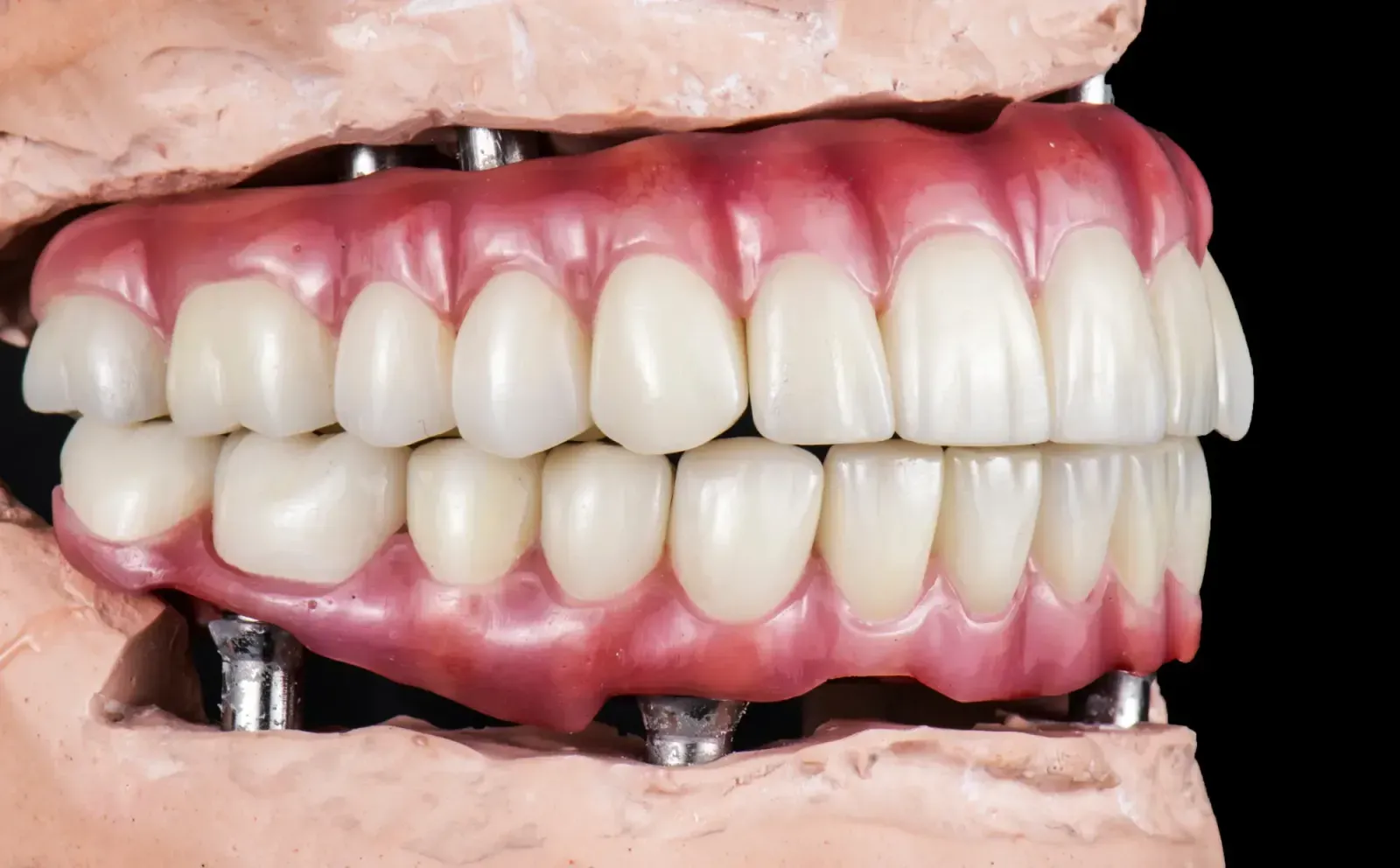
A dental implant is a small titanium post placed into your jawbone. It acts as a root for a replacement tooth. Over time, the bone grows around it (a process called osseointegration), and a crown is attached on top. The result looks and functions like a natural tooth.
The process takes a few months from start to finish, but the actual surgical time is short.
Does the Procedure Hurt?
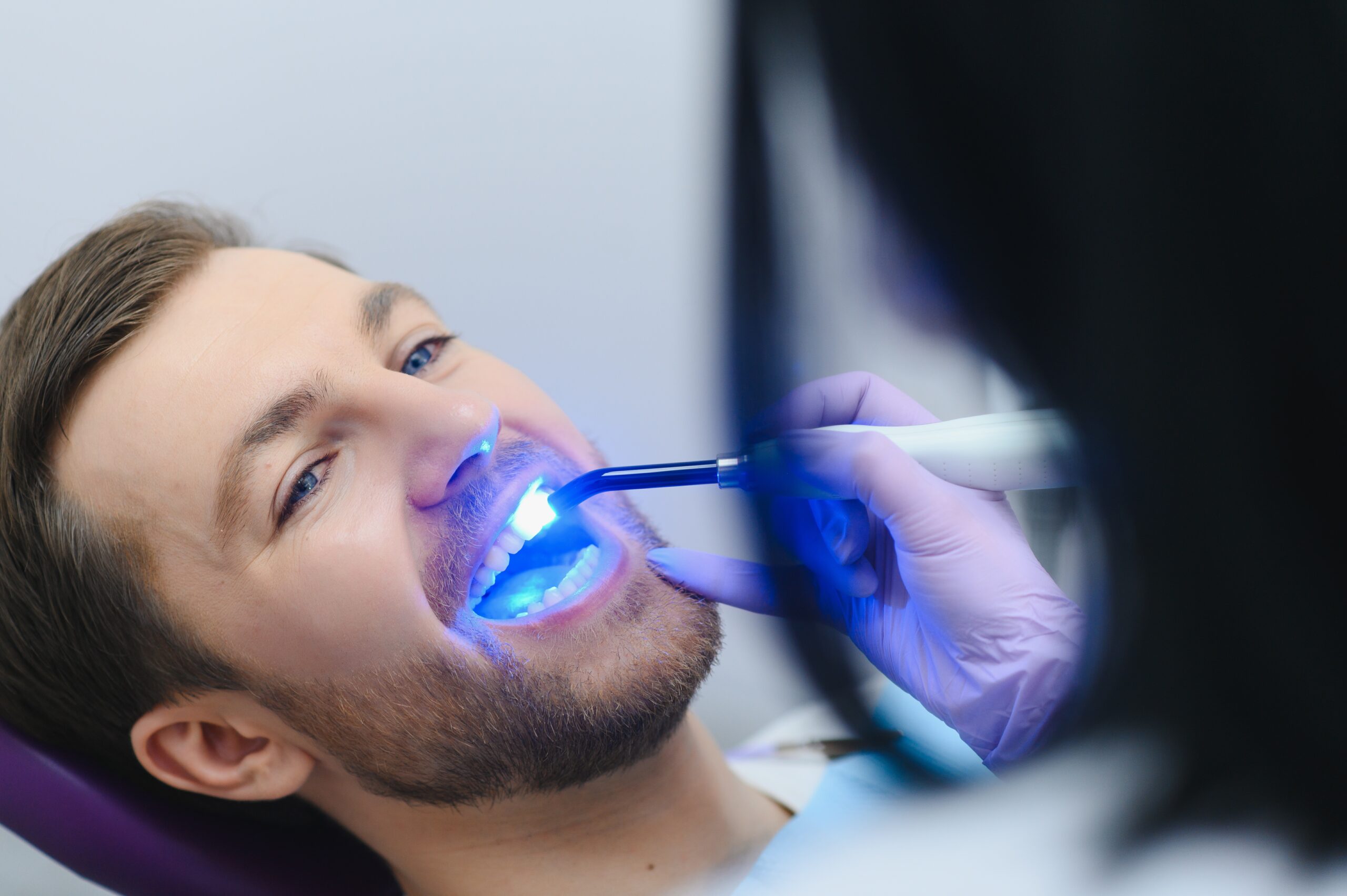
During the placement, no. Your dentist uses local anesthesia to numb the area completely. You may feel pressure or movement, but not pain. Sedation options are also available if anxiety is a concern.
After the procedure, once the anesthesia wears off, some soreness kicks in. That’s normal. Most patients describe it as similar to getting a tooth pulled, not worse.
Common post-surgery symptoms include:
- Mild to moderate soreness around the implant site
- Some swelling in the gum or cheek
- Light bruising in some cases
- Minor bleeding for the first day or two
These usually peak around day two or three, then improve steadily.
How Do You Manage the Discomfort?
Recovery is manageable for most people with basic care. Your dentist will give specific instructions, but here’s what typically helps:
Over-the-counter pain relief like ibuprofen or acetaminophen handles most of the soreness. Prescription medication is sometimes provided if needed.
Ice packs applied to the cheek for 20-minute intervals reduce swelling in the first 24 hours.
Soft foods like yogurt, mashed potatoes, and soup keep pressure off the site while it heals.
Rest matters more than people expect. Avoid strenuous activity for the first few days.
Most people return to work within a day or two. The healing underneath continues for months, but it happens quietly, without discomfort.
What’s the Timeline for Full Recovery?
Here’s a rough breakdown:
| Stage | Timeframe |
| Initial healing (soft tissue) | 1 to 2 weeks |
| Bone integration | 3 to 6 months |
| Crown placement | After integration is confirmed |
During the bone integration phase, you won’t feel much at all. Life goes on as normal. The dentist monitors progress through X-rays.
If you notice sharp pain, unusual swelling, or signs of infection after the first week, contact your dental office right away. Those are not normal and need prompt attention.
Who Is a Good Candidate for Implants?
Most healthy adults qualify. Good bone density and healthy gums matter most. Conditions like uncontrolled diabetes or heavy smoking can slow healing and may affect candidacy.
A proper consultation at a local dentist near me will include X-rays and a full health review to confirm whether implants are right for you. There’s no guesswork involved.
Implants vs. Other Options: Is the Discomfort Worth It?
Compared to dentures, implants require a surgical phase. But dentures come with their own long-term discomfort, including slipping, sore spots, and bone loss over time.
For many patients, the short recovery from implant surgery is worth it for decades of stable, natural-feeling teeth.
Frequently Asked Questions
1. Is dental implant surgery painful? The surgery itself is painless due to anesthesia. Post-procedure soreness is common but typically mild.
2. How long does recovery take? Soft tissue heals in one to two weeks. Full bone integration takes three to six months.
3. Can I eat normally after getting implants? Soft foods are recommended for the first week. Normal eating resumes gradually as healing progresses.
4. Are implants safe for older adults? Yes. Age alone is not a disqualifying factor. Overall health and bone density matter more.
5. What if I have dental anxiety? Sedation options are available at most implant dentistry practices. Ask during your consultation.
6. How long do implants last? With proper care, implants can last 20 years or more. Many last a lifetime.
7. Does insurance cover implants? Coverage varies. Some plans include partial coverage. Your dental office can help review your benefits.
Final Thoughts
Pain is the most common reason people delay getting implants, and it’s almost always less of an issue than expected. The procedure is well-controlled, recovery is short for most people, and the long-term results speak for themselves.
If you’ve been holding off, there’s no better time to get the facts from a professional. Schedule a consultation with Highland Creek Family Dental to find out if implants are right for you. Whether you searched implant dentistry near me or just stumbled across this post, the next step is simple: contact a local dental office and start the conversation.
You don’t have to figure this out alone.
Highland Creek Family Dental serves patients looking for a trusted dentist near me with a calm, patient-first approach to implant care.