
By Highland Creek Family Dental | March 6, 2023
Are you tired of feeling self-conscious about your missing teeth? Are traditional dentures just not cutting it for you? Fortunately, modern implant dentistry offers a solution that can restore both the appearance and functionality of your smile. With its numerous advantages over other tooth replacement options, implant dentistry has become increasingly popular among patients seeking a permanent and natural-looking solution to missing teeth. In this blog post, we’ll explore everything you need to know about implant dentistry and why it may be the perfect choice for you!
Implant Dentistry
Implant dentistry offers a modern solution for missing teeth that can provide many advantages over other traditional methods, such as dentures or bridges. In most cases, implants are placed in the jawbone to provide a solid foundation for replacement teeth. This can help to improve the function and appearance of your smile. Additionally, implant dentistry can help to preserve your natural tooth structure by avoiding the need to grind down healthy teeth for bridges or partial dentures.
What Are Dental Implants?
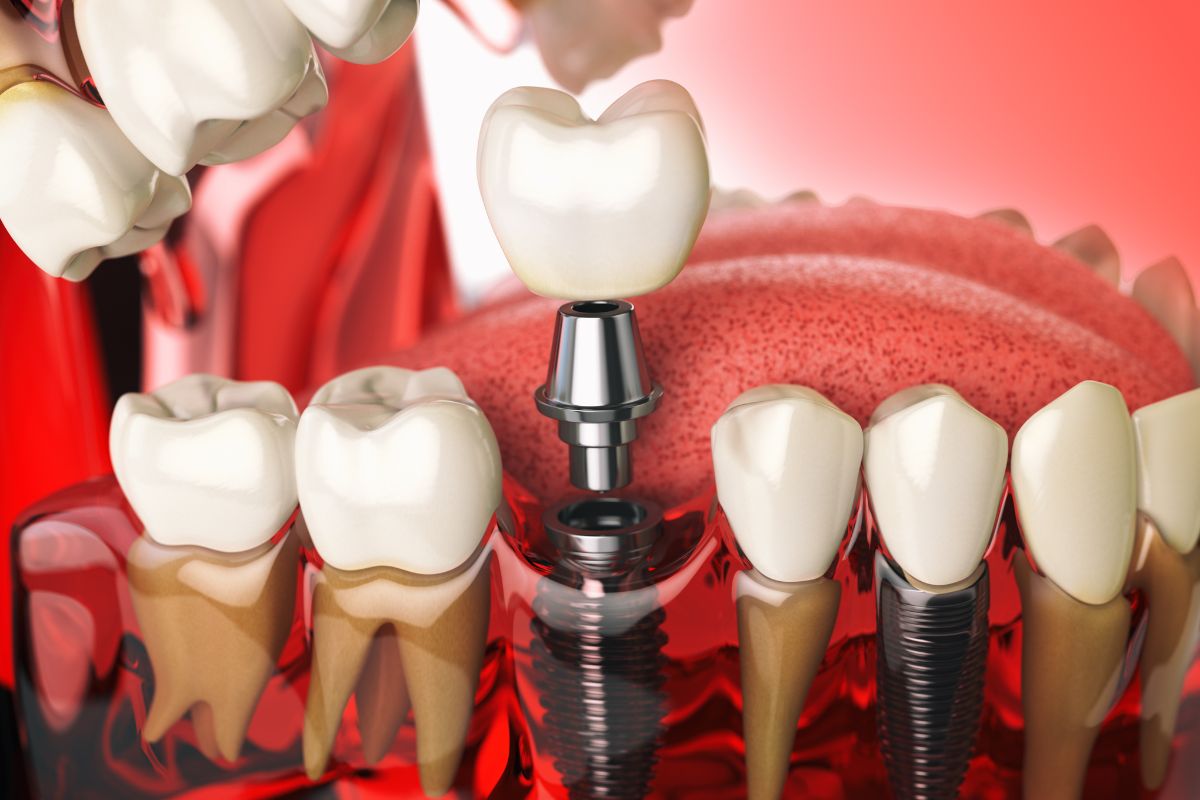
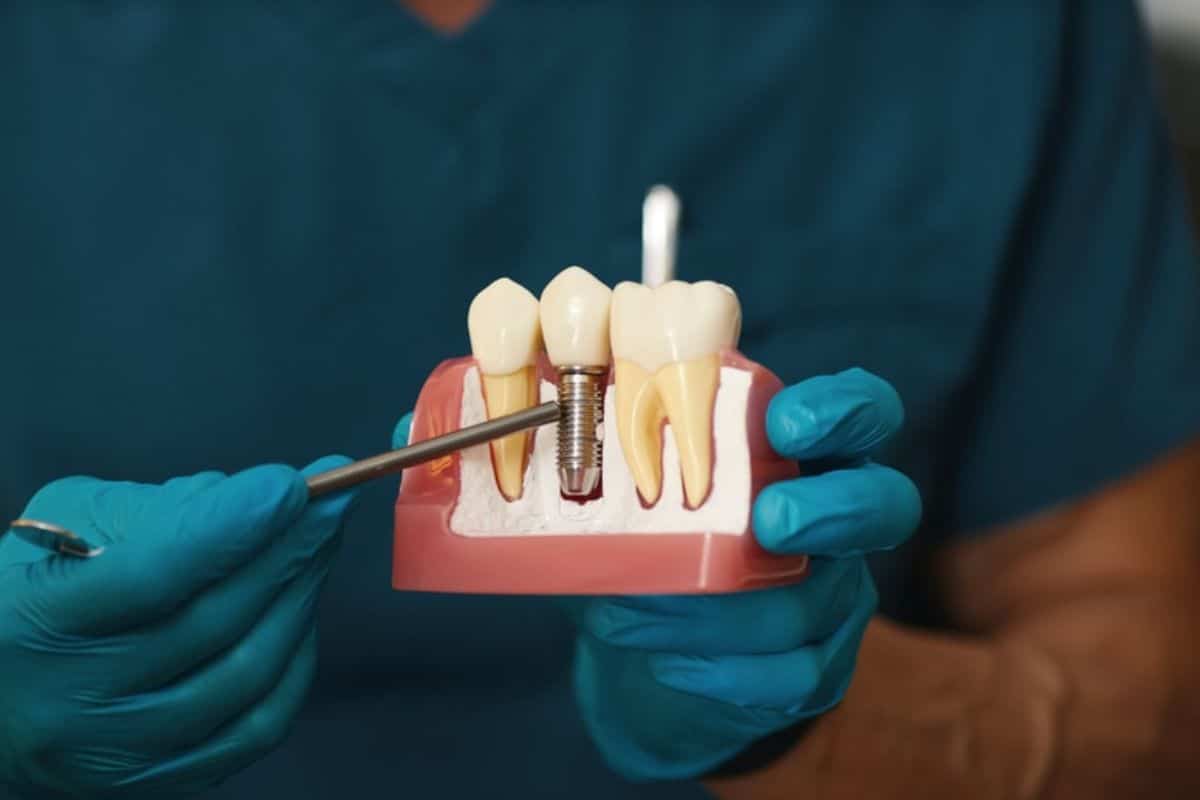
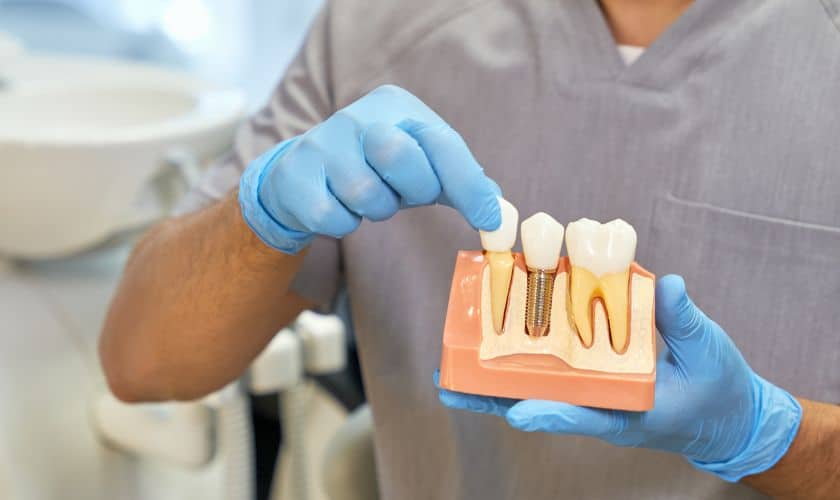
Dental implants are an increasingly popular option for people who are missing one or more teeth. Unlike dentures or bridges, which rest on the gums, dental implants are surgically implanted into the jawbone. This provides a more secure and stable foundation for artificial teeth.
There are many advantages to choosing dental implants over other tooth replacement options. Dental implants look and feel more like natural teeth than any other type of artificial tooth. They also allow you to eat and speak with confidence, knowing that your teeth are firmly in place. Additionally, dental implants can help preserve the bone in your jaw, preventing deterioration that can lead to a sunken-in appearance often seen in people with dentures.
If you’re considering dental implants, be sure to consult with a qualified implant dentist to find out if they’re right for you.
Advantages of Implant Dentistry
If you are missing teeth, implant dentistry offers a modern solution that can provide many advantages. Unlike traditional dentures, implants are anchored in your jawbone, providing a more secure fit. They also look and feel more like natural teeth, allowing you to eat and speak with confidence. Additionally, implants can help preserve your jawbone density and prevent your face from sagging over time. If you’re considering implant dentistry, be sure to consult with a qualified dental professional to see if it’s the right solution for you.
Disadvantages of Implant Dentistry
While implant dentistry is a great solution for many people, there are some disadvantages to consider before deciding if it is the right choice for you. One of the biggest disadvantages is the cost. Implant dentistry can be quite expensive, especially if you need multiple implants. Another disadvantage is that the surgery required for implants can be quite invasive and may not be an option for everyone. Finally, implants require diligent oral hygiene and care, so if you are not willing to commit to regular brushing and flossing, they may not be the best choice for you.
Types of Dental Implants
There are many different types of dental implants, each with its own advantages. The most common type of dental implant is the endosteal implant, which is placed directly into the jawbone. This type of implant is very strong and can support a large amount of weight. Another common type of dental implant is the subperiosteal implant, which is placed under the gum tissue but not directly into the jawbone. This type of implant is less invasive and can be a good option for people who are not candidates for endosteal implants.
Preparing for the Surgery
If you’re considering implant dentistry, the first step is to consult with an experienced implant dentist. During your consultation, your dentist will evaluate your mouth and decide if implants are right for you. If so, they’ll develop a customized treatment plan and answer any questions you have about the surgery.
Once you’ve decided to move forward with implants, the next step is preparing for surgery. This includes getting a few tests done to make sure you’re healthy enough for the procedure. Your dentist will also go over what to expect during and after surgery.
It’s important to follow your dentist’s instructions during this process to ensure a successful outcome. With proper care, your implants can last a lifetime!
Aftercare and Maintenance Advice
Once you have implant dentistry, it is important to take care of your new teeth. Here are some tips on how to do that:
- Brush and floss regularly. Just like with natural teeth, you need to brush and floss your implants to keep them clean and free of bacteria. Be gentle when brushing and avoid using hard bristled toothbrushes.
- See your dentist regularly. It is important to see your dentist every six months for a cleaning and checkup. This will help ensure that your implants are healthy and functioning properly.
- Avoid smoking. Smoking can increase the risk of infection and other complications after implant surgery. If you do smoke, be sure to talk to your dentist about how best to protect your implants.
following these simple tips will help you keep your implants healthy and looking great for years to come!
Alternatives to Implants
Dental implants are not the only solution for missing teeth. There are several alternatives to implants that can be considered, depending on the individual case. Some of these alternatives include:
- Dentures: Dentures are removable appliances that can replace one or more missing teeth. They are custom-made to fit snugly over the gums and can be secured with adhesives or clips. Dentures require regular cleaning and care, and may need to be replaced every few years as they can change shape over time.
- Bridges: Bridges are dental appliances that are cemented in place and can replace one or more missing teeth. The artificial tooth (or teeth) is attached to existing teeth on either side of the gap left by the missing tooth (or teeth). Bridges usually last 5-15 years before they need to be replaced.
- Partial dentures: Partial dentures are similar to full dentures, but they only replace some of the teeth instead of all of them. They can be removable or cemented in place, and usually need to be replaced every 5-10 years.
Which alternative is best for you will depend on many factors, including how many teeth are missing, where the missing teeth are located, your budget, and your personal preferences. Your dentist will be able to help you decide which option is best for you based on your individual needs.
Conclusion
In conclusion, implant dentistry is a revolutionary modern solution for missing teeth and it has revolutionized the field of restorative dentistry. It provides patients with an aesthetically pleasing and durable restoration option that helps them to regain their confidence and improve their oral health. As well as offering superior aesthetic results, this treatment also offers greater stability compared to traditional dental options such as bridges or partial dentures. Implant dentistry truly is a wonderful breakthrough in the world of restorative treatments, so if you’re looking for a lasting solution for your missing teeth then be sure to consider implants!
FAQs
Are you considering implant dentistry as a solution for your missing teeth? You’re not alone – this modern dental treatment is becoming increasingly popular, as it offers many advantages over traditional options like dentures.
What exactly is implant dentistry?
Implant dentistry is a field of dental care that focuses on placing and caring for dental implants. Dental implants are small metal posts that are surgically placed into the jawbone, where they act as artificial tooth roots. Once in place, dental implants can be used to support one or more artificial teeth, known as crowns.
What are the benefits of implant dentistry?
There are many benefits to choosing implant dentistry over other tooth replacement options, such as traditional dentures. Dental implants are much more stable than dentures, meaning they won’t slip or move around in your mouth when you eat or speak. Additionally, because dental implants fuse to the bone in your jaw, they can help to prevent bone loss and preserve the natural shape of your face. And unlike dentures, which need to be removed and cleaned daily, dental implants can be cared for just like natural teeth – simply brush and floss them as usual!
Is implant dentistry right for me?
If you’re missing one or more teeth and are considering your tooth replacement options, implant dentistry may be the right choice for you. However, not everyone is a candidate for dental implants – in order to be eligible for implant dentistry, you must have healthy gums and enough jawbone structure to support the implants. The best way to determine if implant dentistry is right for you is to schedule an appointment with your dentist or an implant specialist. During this appointment, they will examine your mouth and advise you on whether or not implant dentistry is an appropriate treatment option.